
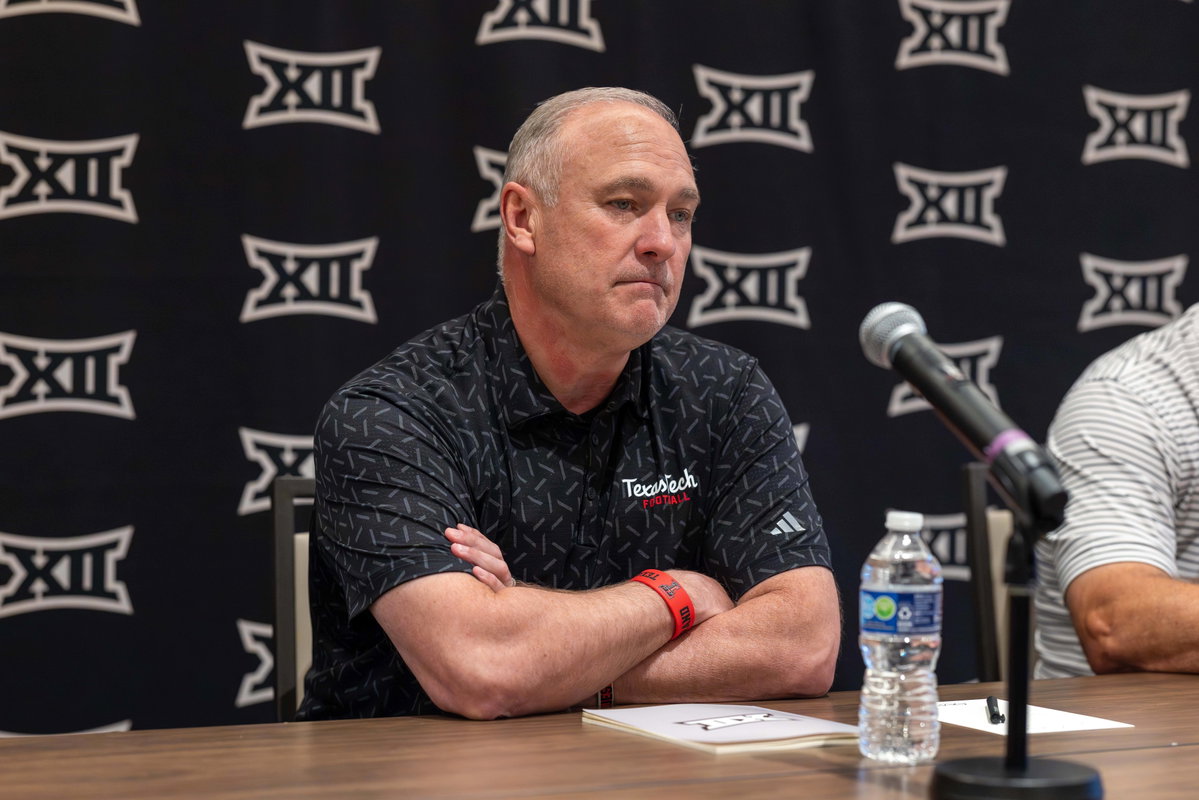
For Texas Tech, the 37-24 loss to Cincinnati was more than just a disappointing result. It also prompted a pointed response from billionaire megadonor Cody Campbell, who had little patience for the Red Raiders’ performance. His warning raised questions about where he stood on head coach Joey McGuire, putting the spotlight on a relationship that matters to the program’s future. Now, Campbell has clarified his position, offering a fresh twist to the conversation surrounding McGuire’s standing in Lubbock.
Watch What’s Trending Now!
“Absolutely nothing is going to change at the head coach position at Texas Tech,” Campbell wrote in a statement on X. “Joey McGuire is a perfect fit for our program. Everybody with an opinion that matters loves him. He isn’t going anywhere. If anything, we are ready, willing, and able to double down on him and this program.”
“It’s more likely that he gets an extension and a raise at the end of this year. Long story short, this article is a ridiculous waste of time, but if you do feel compelled to write another one, please find a better picture of me!” he added.
McGuire’s seat at Texas Tech suddenly came under scrutiny after the loss to Cincinnati, with billionaire donor Campbell’s blunt warning adding fuel to the coaching speculation. Campbell criticized the team’s performance on X, stating that the team’s performance was inexcusable and calling for immediate improvement.
“There is no excuse or reason to lose a game like this,” Campbell posted on X. “We have to be better.”
There was speculation among Texas Tech alumni about potential candidates. USC head coach Lincoln Riley emerged as a potential candidate. Another potential option was Eric Morris, HC of Oklahoma State. He was a former Texas Tech player, and his connections with the team made him a valuable catch. However, Campbell has put a stop to this speculation and has even made it clear that they might give McGuire a contract extension.
This warning did fuel the coaching carousel, but more than that, it drew attention to a bigger concern in college football: are wealthy donors gaining too much power over programs? Campbell’s comment only comes to one conclusion: he is demanding results now.
College athletes now receive money through revenue-sharing arrangements and NIL deals. Players who want to earn money from college football need to take accountability for their performance. A lot of the money to secure them comes from these boosters, who eventually can demand a return on investment. So, more than football, it has now changed into business deals.
Campbell and other donors are putting money into Texas Tech football through the Matador Club, the school’s NIL collective. According to reports, Texas Tech ranks among the Big 12’s most costly rosters, having invested heavily in player compensation. The team looks different than the one that reached the CFP last season. The team also greatly misses Brendan Sorsby. Campbell expects that investment to produce results, which the team has yet to produce.
Matt Hayes of USA Today Sports used Campbell’s statement as a springboard to address a structural problem plaguing college football: the absence of player protections. Hayes emphasized that meaningful reform required some form of collective bargaining agreement, without which athletes would continue operating as unprotected, at-will employees without union rights.