Imago
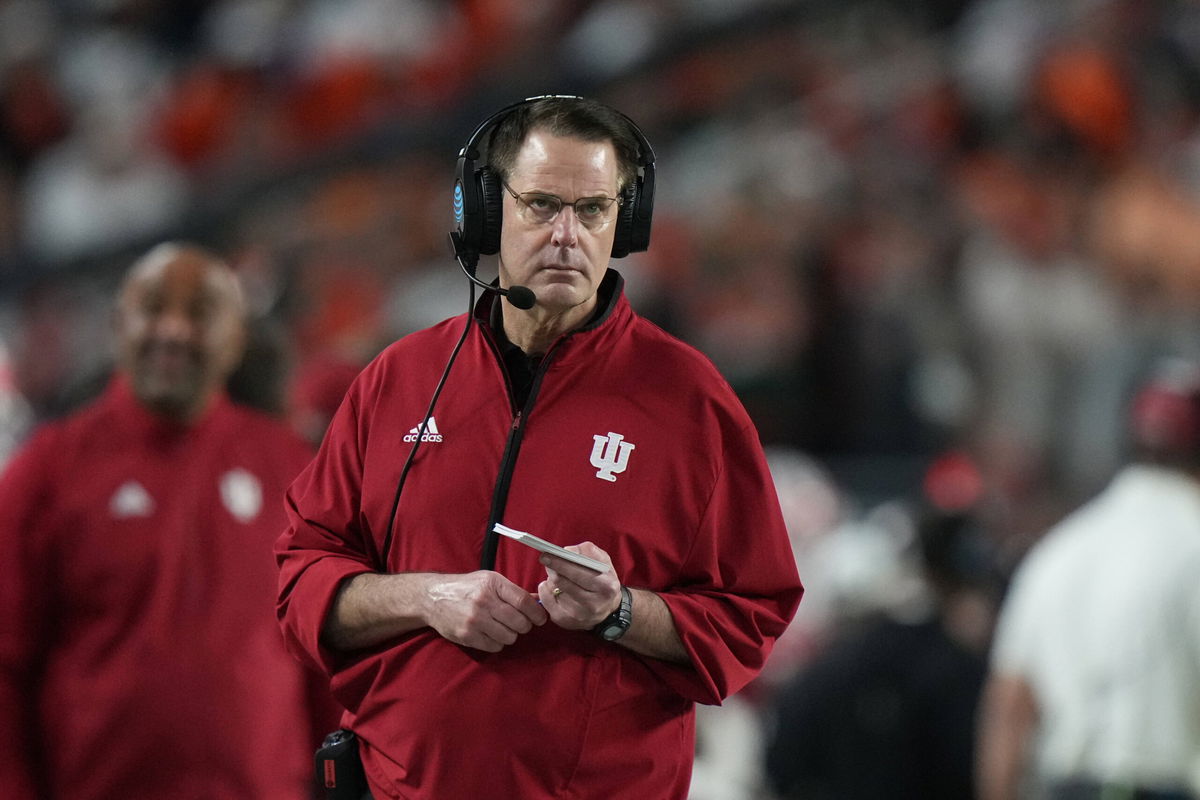
MIAMI GARDENS, FL – JANUARY 19: Head Coach Curt Cignetti of the Indiana Hoosiers walks the sidelines during the Indiana Hoosiers versus the Miami Hurricanes College Football Playoff National Championship Game Presented by AT&T on January 19, 2026, at Hard Rock Stadium in Miami Gardens, FL. Photo by Peter Joneleit/Icon Sportswire COLLEGE FOOTBALL: JAN 19 College Football Playoff National Championship Presented by AT&T Indiana vs Miami EDITORIAL USE ONLY Icon260119012
Imago
MIAMI GARDENS, FL – JANUARY 19: Head Coach Curt Cignetti of the Indiana Hoosiers walks the sidelines during the Indiana Hoosiers versus the Miami Hurricanes College Football Playoff National Championship Game Presented by AT&T on January 19, 2026, at Hard Rock Stadium in Miami Gardens, FL. Photo by Peter Joneleit/Icon Sportswire COLLEGE FOOTBALL: JAN 19 College Football Playoff National Championship Presented by AT&T Indiana vs Miami EDITORIAL USE ONLY Icon260119012
The confetti had barely settled on Curt Cignetti’s Indiana Hoosiers’ national championship when the whispers started creeping in. A player who was originally ruled ineligible played the entire season under a court injunction, and his case is still alive in the background. Here comes the uncomfortable question: if the courts swing the other way, could the NCAA come and take the trophy back?
Watch What’s Trending Now!
Safety Louis Moore has found himself at the center of all this. The Indiana safety wasn’t some bench player tucked away on special teams. He played all 16 games during the Hoosiers’ championship run and finished third on the team with 88 tackles. The NCAA had originally deemed him ineligible.
A court in Texas stepped in and granted an injunction, clearing him to play while his case moves through the system. Indiana leaned on that order and kept moving. But were they alone? No. Over the last year, more than a dozen athletes across the country have been granted similar injunctions.
What started off like a couple of odd cases at Memphis and San Diego State has slowly turned into a national pattern everywhere. And now comes the NCAA pushing back. As Pete Nakos of On3 reported, “The NCAA is threatening to vacate wins, erase stats, and fine schools if it wins its ongoing eligibility lawsuits. Indiana’s Louis Moore, Memphis’ Cortez Braham, and SDSU’s Tatuo Martinson are directly in the crosshairs.”
Which Prospects should OSU target next?
Let Tony do the scouting, you just make the pick.
The more you dig, the more complicated it gets. Ross Dellenger reported that “Indiana used a player originally deemed to be ineligible by the NCAA but permitted to play through a court’s injunction: safety Louis Moore…” and while he added that vacating the title is “highly unlikely.” Yet critics already point to the Hoosiers’ older roster with players closer to their mid-20s due to COVID extensions. Now they have this legal uncertainty on top of that.
Wait… Indiana used a possibly ineligible player last season? @On3 pic.twitter.com/5g7pDcT0Lo
— Alex Donno (@AlexDonno) February 19, 2026
Meanwhile, Ole Miss quarterback Trinidad Chambliss just won the lawsuit to get another year at college. So this isn’t something rare. But then, what is making fans nervous?
Back in 1975, Oregon State star Lonnie Shelton sued the NCAA after being ruled ineligible. A judge granted him an injunction. So he returned. He led the Beavers to the Sweet 16, and months later, the injunction was overturned. Then NCAA invoked its “rule of restitution,” forced Oregon State to forfeit 15 wins, and wiped Shelton’s stats from the books.
Now, some 50 years later, the NCAA is hinting that it could use that same tool again. The NCAA even sent a November 2025 letter to member schools warning it would “explore fair ways to hold accountable institutions electing to not follow the rules that they have supported.” But as attorney Darren Heitner says, if the NCAA actually punishes schools for following court orders, “it would probably lead to further litigation… I don’t think that’s a fight the NCAA wants in 2026. Maybe in the 1970s.”
And that’s the tension Indiana is facing right now. But for now, let’s take a look back at how it all started.
Louis Moore lawsuit
On August 9, Moore officially sued the NCAA in a Texas court after his request for a sixth year of eligibility was denied. Moore spent his three years at Navarro Community College from 2019 through 2021. He redshirted and played sparingly due to injuries and the cancellation of the 2020 season due to the COVID-19 pandemic. Moore argued he should qualify under the so-called “Diego Pavia Rule.” It was the blanket waiver the NCAA rolled out for certain JUCO transfers after losing in court.
When the NCAA said no, Indiana asked for a Temporary Restraining Order or TRO. It is basically an emergency pause button. Moore argued that he’d lose a “once-in-a-lifetime” NIL deal reportedly worth around $400,000 and miss his shot to “enhance his career by playing another year of Division I football.” Judge Dale Tillery granted that TRO on August 13. And just like that, Moore was back on the field.
A series of pushed hearings and repeated extensions to the temporary restraining order kept Moore on the field as the legal battle dragged on. Moore’s side kept leaning heavily on previous cases, arguing the NCAA’s Five-Year Rule violates antitrust law because college athletes now operate in what judges have started calling a “labor market.”
His attorney said, “They’re like a broken record … they keep making the same argument but expecting a different outcome. The NCAA is on the wrong side of this issue.” By late September, after nearly five hours of arguments, Tillery granted Moore a full injunction. That blocked the NCAA from enforcing the Five-Year Rule against him for the rest of the season. That meant Moore could play out 2025 while the trial itself wasn’t even scheduled until January 29, 2026. That was ten days after the FBS season would already be over.
And that’s basically what happened. By late January, with Indiana’s season complete, Moore moved to dismiss the appeal. The NCAA opposed, but the job was done for him. Moore played, and Indiana won. But on February 19, the NCAA threatened to vacate wins, erase stats, and fine schools if it ultimately prevails in these active lawsuits, including Moore’s. But technically speaking, the NCAA can only touch regular-season wins since it doesn’t control the CPF, so the national championship will most likely stay untouched.
Written by

Edited by

Himanga Mahanta