
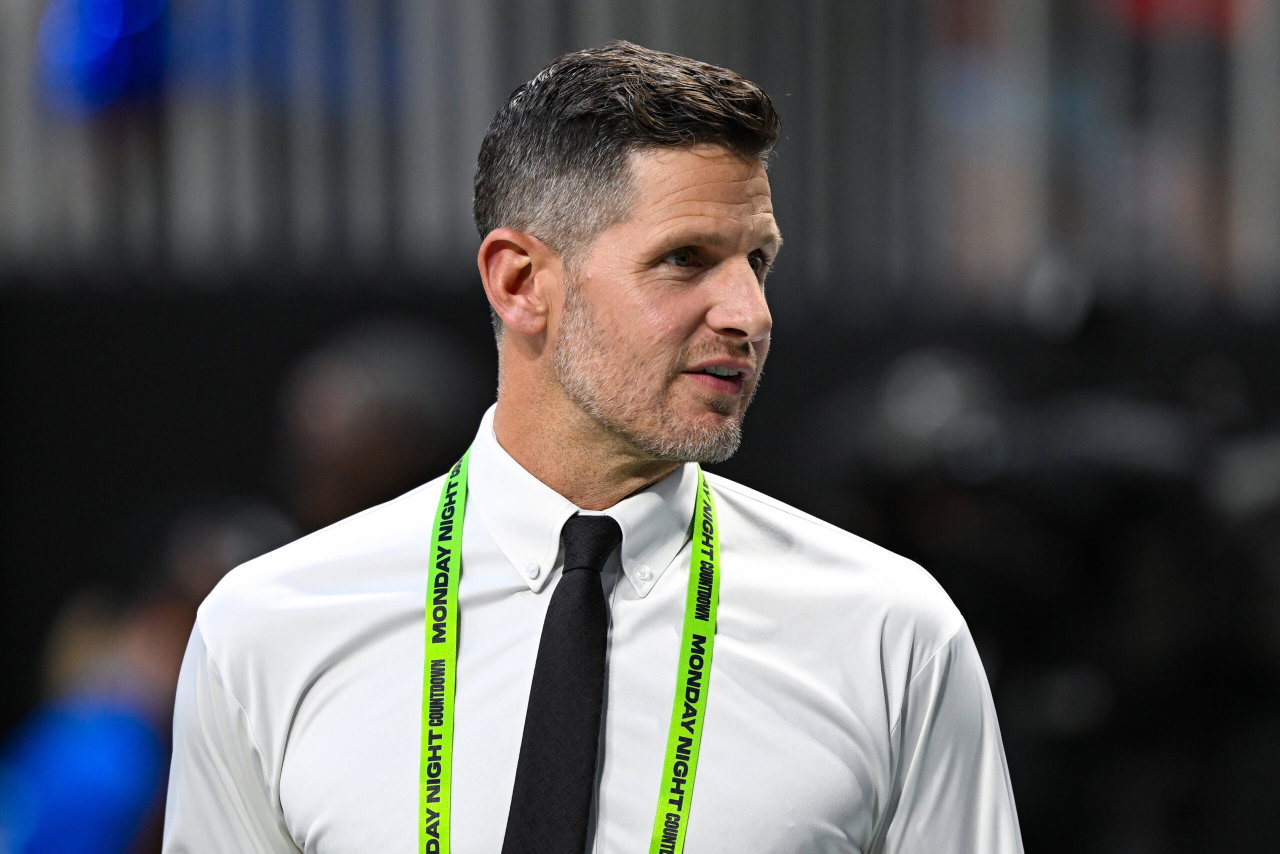
ESPN’s demanding NFL schedule doesn’t leave much room for rest, especially for its on-air talent juggling late-night broadcasts and early studio appearances. With Monday Night Football often requiring travel and long hours, questions are emerging about how analysts manage the hectic routine. Dan Orlovsky recently raised an interesting question about just how little sleep some of ESPN’s personalities might be getting to keep up with it all.
“I haven’t slept much since I was 14,” Orlovsky tweeted on X on November 17. “It was up early for workouts and church. Sports dreams being chased don’t allow for sleep. My wife gave birth to triplets almost 16 years ago. We haven’t slept. Still don’t. Don’t plan on it. Appreciate you.”
Contrary to Orlovsky’s claim, his wife actually gave birth to triplets 15 years ago.
Orlovsky started as a UConn Huskies quarterback and then went on to play for 12 years in the NFL. Today, he is one of ESPN’s prominent personalities and is a familiar face as an NFL analyst and college football commentator. Even though he was accustomed to busy days and nights when he was a young player, he now has a family, which makes the task of juggling everything even harder. However, his wife has been his backbone ever since his NFL days and has even helped him during his transition from being a player to an analyst.
While football has always been a major part of Orlovsky’s life, his family has remained just as important. He married Tiffany Ann Leshe back in 2009, after meeting at a wedding reception in 2006. The couple welcomed 3 triplets, all boys, in 2011, and then a daughter in 2015.
However, it hasn’t been an easy ride raising their kids. Dan and Tiffany’s son, Madden, is autistic, so it comes with additional responsibilities and extra care. Since Dan has a demanding career as an ESPN analyst, Tiffany has largely stayed away from public attention and has taken care of the family behind the scenes.
Even though Sunday is usually a family day for many people, Orlovsky often has to dedicate a significant part of it to football. He tries to spend some time with his family, but then revisits important NFL games played earlier in the day.
Despite the sleepless nights and demanding schedule, Orlovsky has found ways to balance his professional and family life. Interestingly, some of the lessons he learned on the football field came in handy for him.
Being a professional football player came in handy for the analyst off the field. In football, communication was essential. Players had to constantly discuss practice sessions, meetings, drills, and game plans to prepare for matches.
Orlovsky found ways to apply the same idea to his family life. During football season, his work schedule becomes much busier. So he and his wife discuss their commitments to make sure he doesn’t miss important family events or special occasions.
He also makes sure his children understand when and why he has to travel for work. He explains what he does, where he’s going, and what he might be doing while away to keep his kids involved in his world. When he returns, he shares stories about the people he met and the places he visited.
Orlovsky even compared fatherhood to playing football. In football, every player has a responsibility, and nobody can simply stand around waiting for instructions. So he believes dads shouldn’t assume that simply being at home is enough. They should actively ask their wives and children what they need help with. Dan follows this approach by asking his family two simple questions: “What do you need from me?” and “Where do you need me to be?”
Orlovsky makes a conscious effort not to bring work-related distractions, emails, or social media into his family time. When he gets home, he places his phone in a container on the kitchen counter and avoids answering calls. He wants his kids to know that when he’s home, they have his attention and that spending time with them matters more than work.