
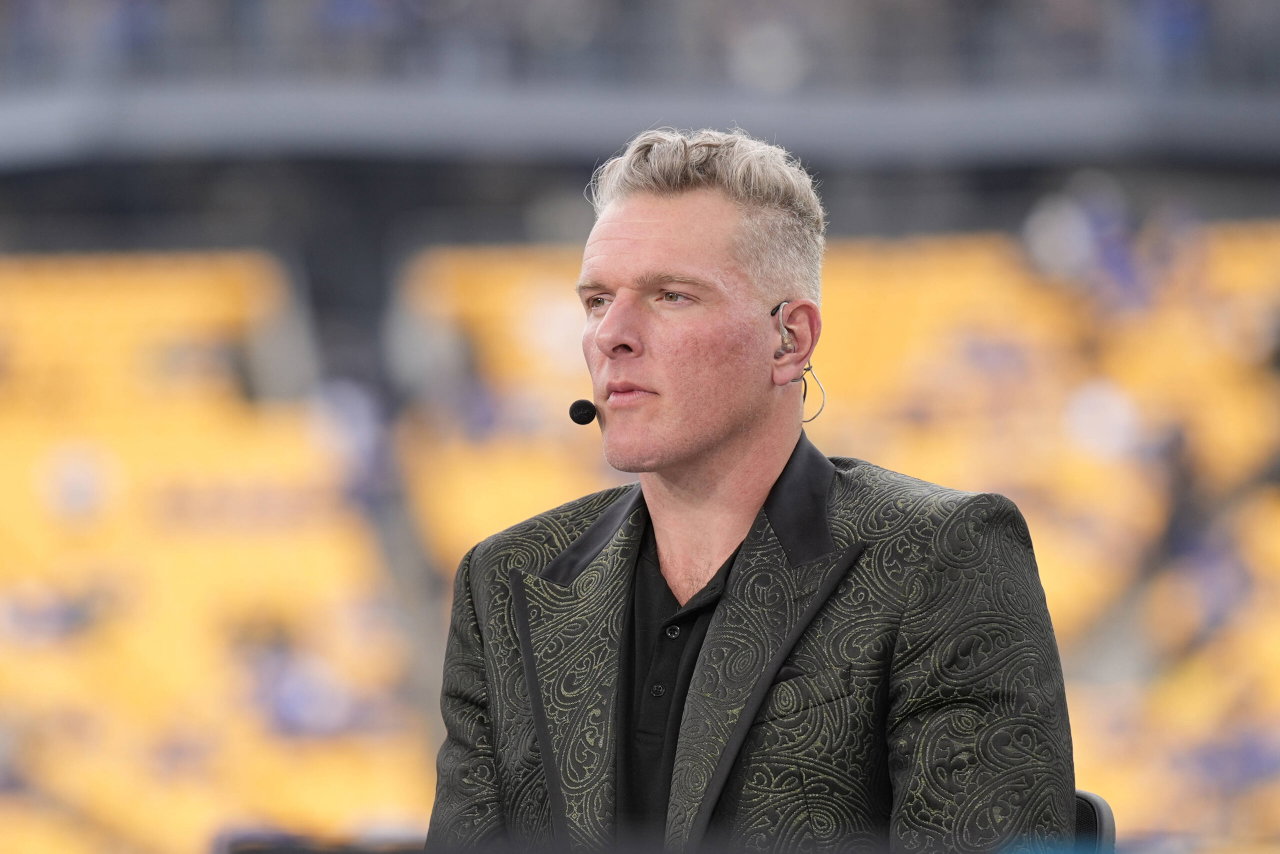
ESPN’s biggest star just picked a high-stakes fight with a major university, and the network is caught right in the middle. When analyst Pat McAfee went on air and shredded the University of Utah after a campus video made fun of him, he did more than just vent. He created a massive headache for the executives who need those very college campuses to put on College GameDay every Saturday.
Watch What’s Trending Now!
To unpack the executive fallout, sports journalists Bruce Feldman, Stewart Mandel, and Ralph Russo addressed the situation on The Audible podcast. They examined how a minor campus video spiraled into a national media story, leaving ESPN executives stuck in a difficult situation.
“I don’t understand why Pat McAfee is so thin-skinned. The video that set him off about Utah is a couple college kids saying he’s corny… and somehow that ended with him on his show on Monday morning invoking Charlie Kirk and how he’s fearing for his safety.”
The issue began when the University of Utah’s official social media team posted a lighthearted campus video. In the clip, students gently poked fun at McAfee’s high-energy television persona, calling his routine corny and lightheartedly asking him to keep his shirt on during the broadcast.
Mandel noted that McAfee devoted significant airtime on his weekday show to criticizing the campus environment. He raised safety concerns over routine student humor, quickly turning a local moment into a headline across national sports media.
The outburst wasn’t subtle. On his daily show, McAfee told millions of viewers, “I think I hate this place,” complaining that Utah posted the student video right as he was about to do a free infomercial for their school. Reports from several outlets revealed that the situation grew so tense that security concerns were raised. In a statement to The Athletic, ESPN was forced to address the fallout directly, stating they support McAfee while recognizing his very real safety concerns.
Stewart Mandel unpacked the network’s executive panic over the situation directly on the episode: “If you’re ESPN, I would think you’re in a bind here like he’s delivering exactly what you would hope for, but given how important the relationships are with the schools cuz you’re asking to basically come in and take over their campus for two days.”
On one hand, McAfee is an undeniable ratings juggernaut who has injected new life into a decades-old franchise. Mandel noted that ESPN’s PR department wasted no time boasting about a massive 2.5 million viewers tuning into that specific Utah broadcast.
On the flip side of that network dilemma, the hosts emphasized that GameDay relies entirely on maintaining excellent local harmony because the crew essentially has to march into these towns and completely occupy the university grounds. When your cornerstone star burns a bridge with a major university and loudly vows to never return, the network’s foundational relationships with athletic departments are put at severe risk.
How does a network manage an unhinged, multi-million-dollar asset when his viral outbursts threaten the literal logistics of putting the show on the air?
The fallout took an even more bizarre turn when the University of Utah ultimately issued a public apology to McAfee rather than demanding one from him. Ralph Russo admitted he was deeply surprised by this submissive move. He pointed out that, if anything, Utah’s administration should have been asking what they actually did wrong in the very first place.
The podcast hosts said this situation perfectly shows the pressure ESPN is facing behind the scenes.
It proves that big entertainment stars now have more influence than traditional, respected universities. Even major college football programs are being pushed to make network stars happy just to avoid trouble.
Beyond the personal drama, the podcast crew explained how this controversy shows that College GameDay has changed from a traditional sports show into a full-blown entertainment spectacle.
This whole drama shows how sports media has completely changed. College GameDay used to be purely about game analysis and Lee Corso picking winners. Today, networks pay huge money for viral showmen because that brings in the younger crowd. But when a star’s ego clashes with school pride, ESPN is stuck trying to keep everyone happy.
“I’m sure they’re thrilled with the ratings that Pat is driving, and he’s driving them. Yeah, I think that’s the main thing to them more than anything else,” Stewart Mandel of The Athletic said.
The controversy also shines a harsh spotlight on the glaring double standard of being an “edgy” media figure who struggles with pushback. Russo highlighted that McAfee often acts like a guy who “can dish it out but can’t take it.” The Audible team noted that McAfee routinely gets worked up whenever anyone in the media or public says anything remotely critical about him.
He has previously gone off on critical columns from The Athletic and an annual sports television survey that claimed fans didn’t like his style. The hosts argued that if tiny pieces of mild criticism can trigger a full-blown safety crisis on national television, it makes his anti-establishment, tough-guy persona look incredibly fragile.
Ultimately, this entire blowout serves as a loud reminder of what happens when the media personalities covering a sport completely overshadow the games themselves. ESPN will undoubtedly keep riding the McAfee wave because television is a business fueled entirely by eyeballs, and love him or hate him, everyone is watching.
But as The Audible hosts wrap up their discussion, it’s clear that the lines between sports reporting and reality TV soap operas have never been more blurred.