
Imagine finishing your college football career, trying out for the NFL, and then realizing you could just go back to college for another year. That is exactly the drama happening right now with former Ole Miss tight end Dae’Quan Wright. He is caught in the middle of a legal mess because the NCAA changed its rules a little too late, and Wright can’t believe it.
Watch What’s Trending Now!
It all came down to the NCAA’s new “5 for 5” rule announced in June, which allowed college athletes five full years to play five seasons without having to sit out a year as a “redshirt.” The big catch was that the NCAA didn’t include the high school graduating class of 2022, which is Wright’s class.
“At the end of the day, it’s just all bad timing,” Wright told Nola.com’s Koki Riley. “If this happened last December, or even in January, we would have been able to make a decision then on if we were gonna stay in college or not. Most people probably would have stayed. You never know.”
Wright went undrafted in the NFL, but later signed with the Philadelphia Eagles, who waived him in August. The Cleveland Browns picked him up a day later, only to release him two weeks after that. But while he was fighting for a spot on an NFL roster, a Louisiana court dropped a game-changing ruling.
They gave a temporary restraining order to many players, giving them a fifth year of eligibility in college. For Wright, that changed everything. Stuck on the NFL fringes, he realized he could earn good money through NIL deals and re-entered the trade portal.
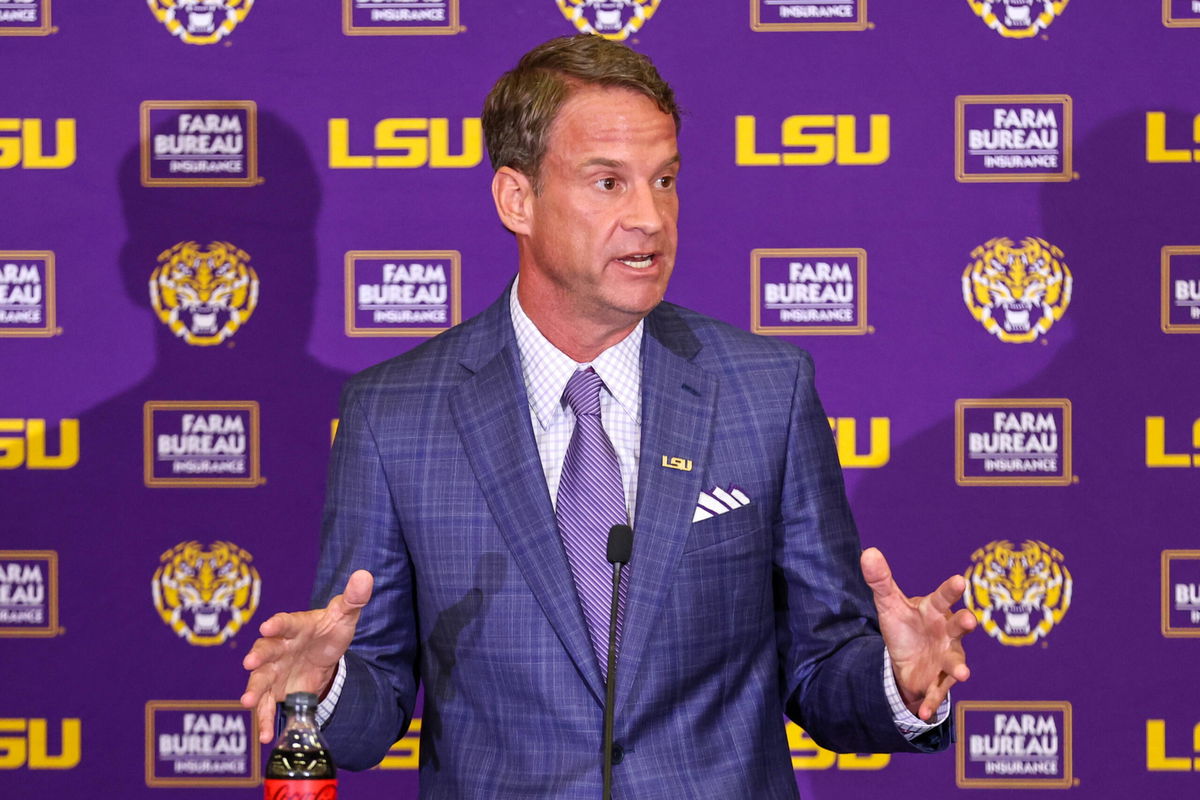
Mind you, Wright is no slouch. Last season for the Ole Miss Rebels, he had 39 receptions for 635 receiving yards, including 5 touchdowns. That should technically put him among the top tight ends in terms of receiving production. No wonder Lane Kiffin wants to reportedly sign him at LSU.
Now, with his legal paperwork in hand, Wright lined up a deal to transfer to LSU, where he could play for his old coaches. But the top conferences in college football panicked at the idea of NFL cuts suddenly becoming college free agents.
The SEC held a meeting and voted unanimously to pass a strict new rule: if you have ever signed an NFL contract, you are completely banned from playing in the conference.
However, LSU reportedly wants Wright on the field, and Wright’s lawyers could possibly sue the SEC if they try to block him, citing the Louisiana court ruling.
Meanwhile, per ESPN, the NFL has weighed in too, saying that if any player actually goes back to college, they can’t come back to the NFL at all during the 2026 season. If everything falls into place for him, Wright will make history as the first football player to ever successfully return to college after signing an NFL contract.
“I was just talking to my people and looking at my situation, Wright said on Tuesday. “It was a blessing that I could get another shot at this.”
He is not alone either, as other players like defensive tackle Zxavian Harris are trying to do the exact same thing at LSU. Moreover, they also have high-profile support against the SEC.
Louisiana Governor Slams “Ridiculous” SEC Ruling
Louisiana Governor Jeff Landry couldn’t believe the new ruling by the SEC. In a statement shared with Amanda Kristovich of Front Office Sports, Landry called the conference’s sudden ban on former NFL players ‘ridiculous’.
Landry basically told the SEC to stop blaming the players for a mess that the college sports bosses created in the first place.
“This whole thing is ridiculous,” said Landry. “Don’t hate the player, hate the game. I’ve been saying for a year that college sports need to be fixed. The NCAA could have done it. Congress could have done it. Neither did. Now the SEC is creating a legal mess over athletes it told were out of eligibility, only to change the rules afterward.”
The governor pointed out that the conference had no problem accepting court orders to give extra eligibility to star quarterbacks like Vanderbilt’s Diego Pavia and Ole Miss’s Trinidad Chambliss. So why should a different rule apply for returning NFL players who could still be eligible?
“The SEC accepted the courts’ decisions on Diego Pavia and Trinidad Chambliss. Why is this different? You can’t tell athletes their college careers are over, watch them move on, change the rules later, and then punish them for not predicting the future,” Landry concluded.
After the Big Ten and the SEC, even the Big 12 enforced the same ruling. ACC is the only remaining conference to do so, reportedly evaluating the same path. If certain players get blocked from returning to college football, it could open an unfortunate can of worms that the league wouldn’t want.