The 2026 NFL Scouting Combine’s invite list consists of 319 players, giving them a chance to enhance their draft stock. But one detail now places HBCU football in a dark spot, totally contrasting with its history.
Watch What’s Trending Now!
This year’s Combine has reportedly invited zero HBCU players. Although HBCU representation at the Combine has declined over the last three decades, this zero brings in ample shock, considering the level of talent HBCU players have.
According to Rasheeda Liberty, lead agent at Lady Lib Sports, some notable players who didn’t make that list include Morgan State’s LB Erick Hunter, Jackson State’s QB JaCobian Morgan, Bethune-Cookman’s QB Cam Ransom, SC State’s DB Jarod Washington, Jackson State’s DL Jeremiah Williams, and more.
In this case, the history of HBCU football tells a different story. HBCUs were the main stage for Black athletes chasing pro dreams before college football powerhouse programs fully opened their doors to them. They produced 31% of all pro draft picks from 1960 to 1970. Even today, 35 Pro Football HOF trace their roots back to HBCU campuses.
.png)
.png)
.png)
Adding a few more from HBCU world given none were invited.
LB Erick Hunter, Morgan State
QB JaCobian Morgan, Jackson State
DB Jarod Washington, SC State
RB Chris Moseley, NCCU
DL Jeremiah Williams, Jackson State
DL CKelby Given, Southern
QB Cam Ransom, Bethune Cookman— Rasheeda Liberty (Lady Lib Sports) (@ladylib1922) February 11, 2026
In fact, in 2025, only one HBCU player, Alabama A&M’s OL Carson Vinson, was at the NFL Combine, and later he was drafted by the Ravens in the fourth round. Before that season, 3 players were invited. Now in 2026, the invite count sits at the hardest number to read.

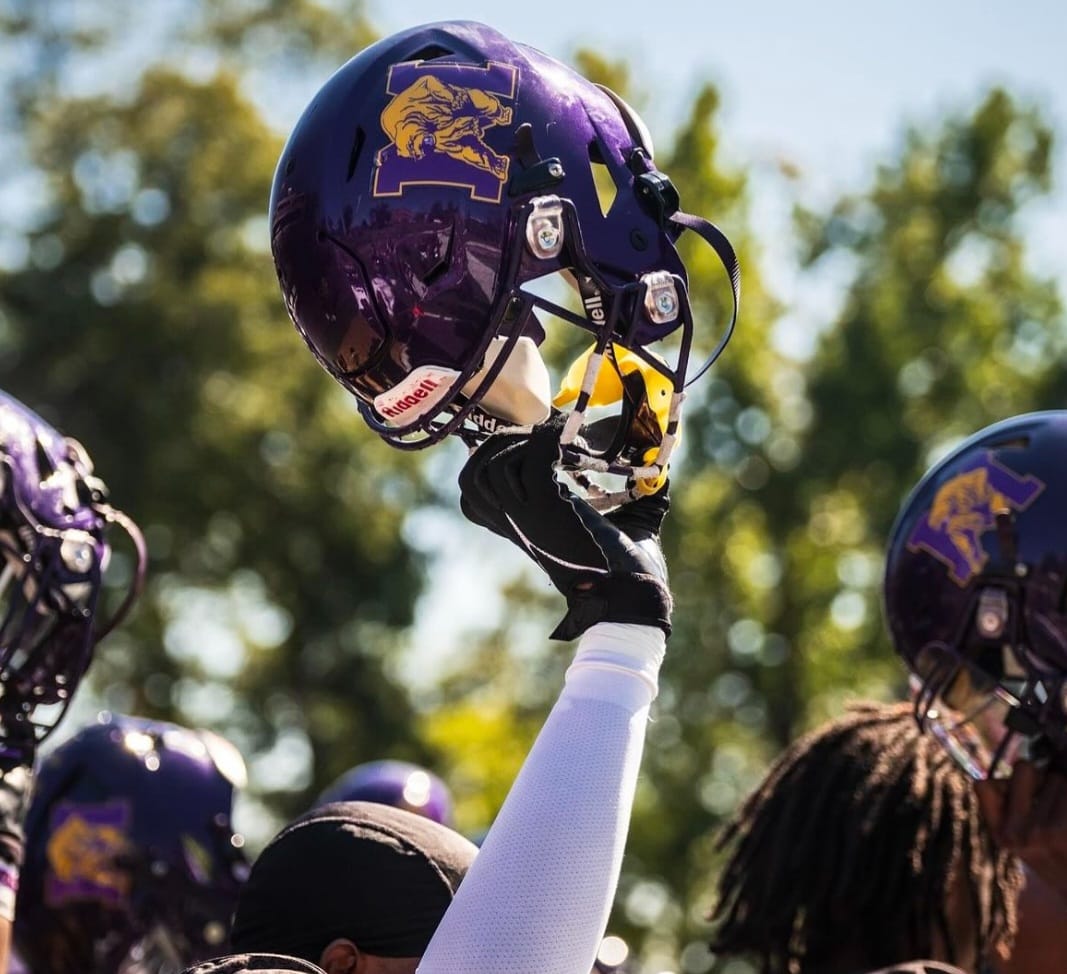
If anything, two invitees carry HBCU roots.
RB J’Mari Taylor began his collegiate journey at North Carolina Central. Then he transferred to Virginia, and it didn’t take long to make an impact, earning First Team All-ACC and a Senior Bowl invite. Same story with Kevin Coleman Jr., who started at Jackson State. He then played at Mississippi State and Louisville before ultimately landing at Missouri.
In such a scenario, the transfer portal plays a huge role. Because it allows HBCU talent to relocate. Even players feel that to reach the NFL, they must bet on a safer option. But Liberty, an agent for HBCU talent who has represented 11 players across four draft classes, sees this situation from a different perspective.
“HBCUs are full of talented players coached by some of the best in the business, as demonstrated by the players currently in the league. The issue of discovering talent is systemic,” said Liberty.
“Teams will need to properly invest and require their designated scouts to actually make multiple visits to schools, speak with coaches, and actually view games in person vs behind the desk in April late in the draft process. There has to be an intentional effort to discover the talent from all 32.”
But hope is still alive for HBCU players, as there are alternative opportunities, such as the HBCU Legacy Bowl and HBCU Combine. Here’s where an HBCU scouting advocate, Gerald J. Huggins II, emphasized the importance of these opportunities.
“This is why the HBCU showcase is important,” Huggins wrote. “For the HBCU players that were overlooked for the NFL Combine, the showcase gives them a chance to perform in front of all 32 teams plus other NFL and CFL personnel.”
Now, HBCU players need to prepare themselves to make those opportunities count. Because big stages demand preparation. But sometimes it demands sacrifices too, and that felt hard for Norfolk State’s Michael Vick.
HBCU coach Michael Vick’s heartfelt confession
Michael Vick has lived the highest highs and the lowest lows, from losing nearly everything in the dogfighting scandal to rebuilding his name in the NFL. But football coaching gave him another chapter. When Norfolk State, a proud HBCU program, called his name, the opportunity came with an emotional confession.
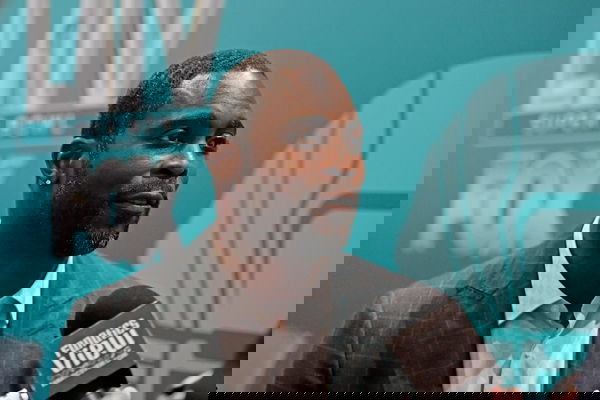
Imago
NFL, American Football Herren, USA Super Bowl LIV-Fox Sports press conference, PK, Pressekonferenz Jan 28, 2020 Miami, Florida, USA Fox Sports broadcaster Michael Vick speaks with the media during Fox Sports media day at the Miami Beach convention center. Miami Miami Beach convention center Florida USA, EDITORIAL USE ONLY PUBLICATIONxINxGERxSUIxAUTxONLY Copyright: xJasenxVinlovex 13968010
“I probably cried to my mom a couple times,” admitted Vick, pulling back the curtain on the emotional toll.
Because leaving Florida wasn’t easy for him. His wife, Kijafa Frink Vick, and their children had built a life there. But love showed up in sacrifice, even if it meant being 1,000 miles apart.
“Virginia is not my happy place, but it wasn’t just my decision,” shared Kijafa. “It was a family decision. I support him. If that means flying to see him every week, so be it.”
Here’s where Michael Vick knows what opportunity can mean in communities like Norfolk, growing up in Newport News, Virginia. But the first season was rough, with a 1–11 record. Still, Vick has started rebuilding; now his second season may unfold successfully, as the talent is there.
Related Newsletters