
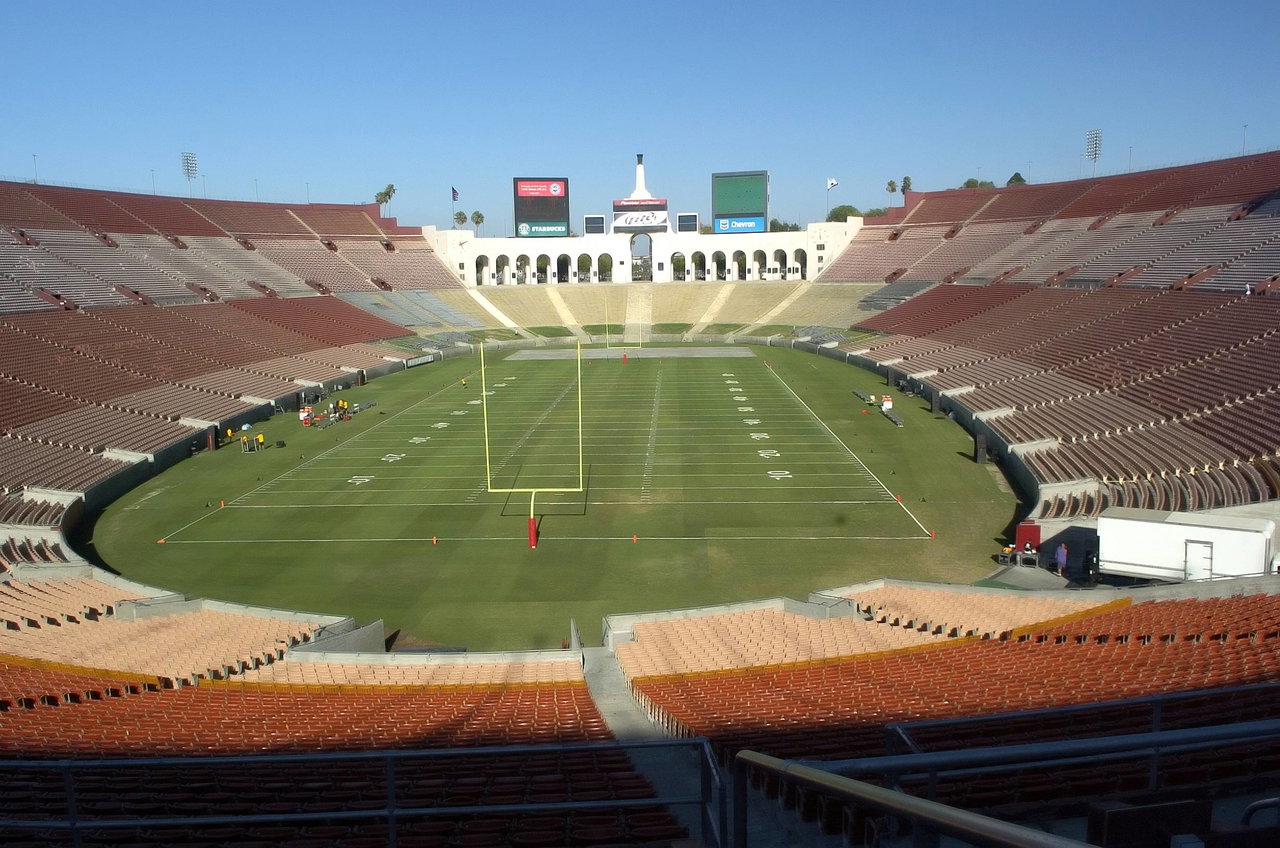
What was supposed to be a fun kickoff party for the college football season turned into a rough day of survival for fans in Austin. As the Texas Longhorns hosted the Texas State Bobcats on Saturday afternoon, scorching temperatures transformed the open bleachers into an uncomfortable heat trap, forcing families to leave their seats and seek shelter indoors.
Watch What’s Trending Now!
Thermometers around Darrell K Royal Stadium crept right up to 100°F by mid-afternoon, while high humidity pushed the heat index past a dangerous 105°F. Direct sunlight beat down relentlessly on row after row of metal seating, turning the open-air stadium into a massive outdoor oven for everyone packed inside.
Down on the field, the No. 5 Longhorns took care of business early, marching to a 59-7 win behind a sharp four-touchdown performance from Arch Manning. But while players benefited from misting fans and ice towels on the sidelines, ordinary spectators up in the stands had no such luck as the heat kept rising.
Medical calls started coming in almost as soon as the game began, catching stadium emergency personnel off guard. Eyewitnesses reported seeing paramedics pushing through crowded rows with stretchers to haul out fans suffering from heat exhaustion before the first quarter even ended.
Texas State fan Hunter Schuler shared footage online showing medical crews carrying people out, noting that the shaded concourses were so packed with overwhelmed fans that the stadium looked more like a hurricane shelter than a sporting event.
While local medical teams worked non-stop to handle the chaos, stadium officials have not yet released an official count of the total number of heat casualties.
As the sun continued to beat down, thousands of miserable fans decided they had seen enough and abandoned their seats entirely. Huge, sweaty crowds jammed into the shaded concourses and air-conditioned stadium zones just to escape the direct glare of the afternoon sun. Onlookers quickly shared the scene online, with many describing the packed indoor areas as looking more like a crowded hurricane shelter than a football game.
The scary scene immediately ignited a massive wave of anger on social media, with fans blasting the geniuses who thought a 2:30 PM kickoff in Texas during early September was a good idea.
Some would argue that lucrative TV broadcasting contracts and prime afternoon time slots are consistently being prioritized over basic spectator safety. It is a recurring issue in college sports, but Saturday’s dangerous conditions pushed many fans past their breaking point.
To make matters worse, this nightmare in Austin wasn’t an isolated incident, as an intense late-summer heatwave is currently punishing a massive portion of the Southern United States. Several other college football programs playing early-season afternoon games faced similar struggles this weekend.
Beat the heat or beat in the heat?
The Deep South experienced some of the worst conditions. Georgia started its opener against Tennessee State in a blistering 100°F oven, making it the officially hottest home game the Bulldogs have ever played.
Things were just as brutal for South Carolina fans, who had to suffer through a suffocating 113°F heat index that turned their stadium into a giant sauna.
Down in Oklahoma, during the Tulsa and Oklahoma State matchup, on-field thermometers reportedly showed the artificial turf reaching more than 150°F under the afternoon sun. Extreme turf temperatures have long been a concern for players and trainers, but numbers that high raised even more concerns about player safety.
The strangest situation of the weekend happened in Kansas, where the extreme heat brought back an old-school football outcome.
A game between Washburn and the Colorado School of Mines ended in a bizarre 16-16 tie after officials decided not to play overtime because of a dangerous 107°F heat index.
College football games normally continue into overtime until there is a winner, making the decision especially unusual. The situation has now sparked a wider conversation about whether the sport needs clearer rules for extreme heat.
Many are asking whether college sports leagues should introduce strict temperature or heat-index limits to prevent games from being played in dangerous daytime conditions.
However, as long as the Longhorns celebrate a great start to their season on paper, the conversation online remains heavily focused on the chaos in the stands.
Moving forward, pressure is mounting on stadium operators to boost their heat-safety measures, including offering more free water stations and cooling zones.
Until those changes happen, fans are just hoping that future September game times will be pushed into the cooler evening hours.