
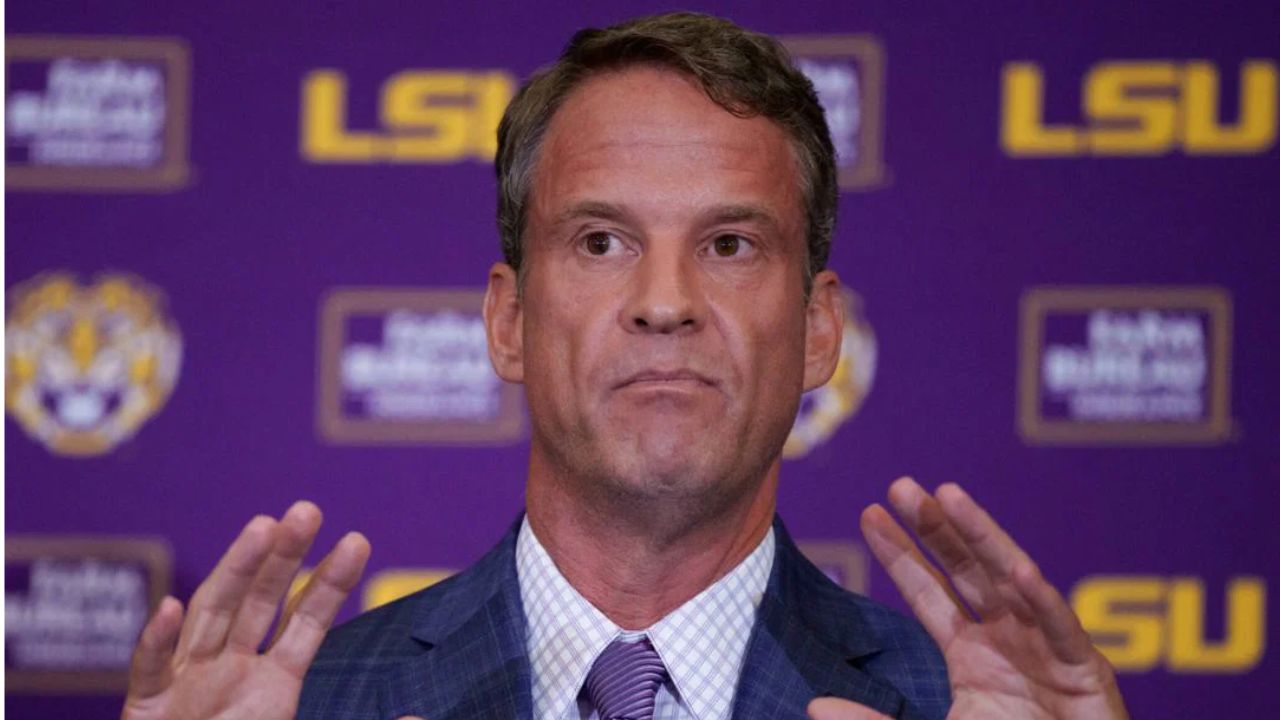
For Lane Kiffin and the LSU Tigers, the 2026 season begins in a matter of days. However, the new head coach does not have his roster completely figured out. Regarding the possible addition of players facing eligibility lawsuits before the deadline, Kiffin has provided an update on the program’s progress in securing the SEC’s consent.
Watch What’s Trending Now!
“All we’re waiting for is clarity this week from the SEC, which they can’t give final clarity until Thursday’s ruling,” Kiffin told ESPN. “We are waiting for final clearance and guidelines from the SEC… I have been in communication daily with the SEC to make sure we are complying with the SEC rules.”
At the moment, the LSU Tigers are the likely destination of two of the three players who were NFL professionals only some weeks ago. Former Tampa Bay Buccaneers outside linebacker Jack Pyburn, former Cleveland Browns tight end Dae’Quan Wright, and former New Orleans Saints defensive tackle Zxavian Harris were recently waived by their NFL teams.
Of these three, Wright and Harris are practicing with the Tigers at Baton Rouge. The latter even returned his NFL earnings to get a chance to play for LSU next season. Both players have the experience of playing under Lane Kiffin at Ole Miss. The LSU head coach doesn’t have any veterans at the tight end position, which makes these additions even more appealing to him as he chases glory in his first year at the program.
Until yesterday, Pyburn was also in the same boat. However, the defensive end was picked up by the Kansas City Chiefs after being waived by Tampa Bay. This effectively pauses his bid to return to college football and play for Lane Kiffin.
However, all of these moves are at the mercy of the SEC, which must give the LSU Tigers the go-ahead to add all these players to the roster and permit Kiffin to play them in competitive games.
Last Tuesday, the SEC’s presidents and chancellors voted 16-0 against the return of athletes who had signed professional contracts, appeared on NFL rosters, and declared for the draft. And in the case of disobedience, the penalties include a half-season suspension for the coach, a fine equal to 50% of the program’s annual operating budget for that sport, and a ban on voting on the conference’s decisions.
On the other hand, a court order from a Louisiana judge has ruled against any sanctions by the conferences against any program, coach, or athlete. SEC commissioner Greg Sankey has also been made a party to the lawsuit filed by the players. Thursday will be critical to this ongoing battle, as there will be a preliminary injunction hearing.
Based on how things are at the moment, the rule “does not prohibit players from practicing at the school, it prohibits them from being added to the final 105 roster, which has to be turned in on Friday.” Kiffin can only hope that he is allowed to bolster his roster before the deadline.
The five-for-five eligibility model
The pro-college move only became a thing in college football after the NCAA approved the five-for-five eligibility rule. Under the rule, student-athletes can compete for a total of 5 years of college eligibility, allowing them to play 5 seasons. It replaced the old system, which allowed players four years of eligibility in five years.
The new age-based eligibility model begins counting from athletes’ full-time enrollment in college or their 19th birthday, whichever comes first. However, it eliminates all forms of waivers, like medical waivers and traditional redshirts.
The decision to leave out athletes from the 2022 class, whose fifth year of college football begins with the 2026 season, is what led to the numerous lawsuits against the NCAA. The players wanting to return to college football spent four years in college before moving to the NFL, making their claims for a fifth year of eligibility understandable from a standpoint.