
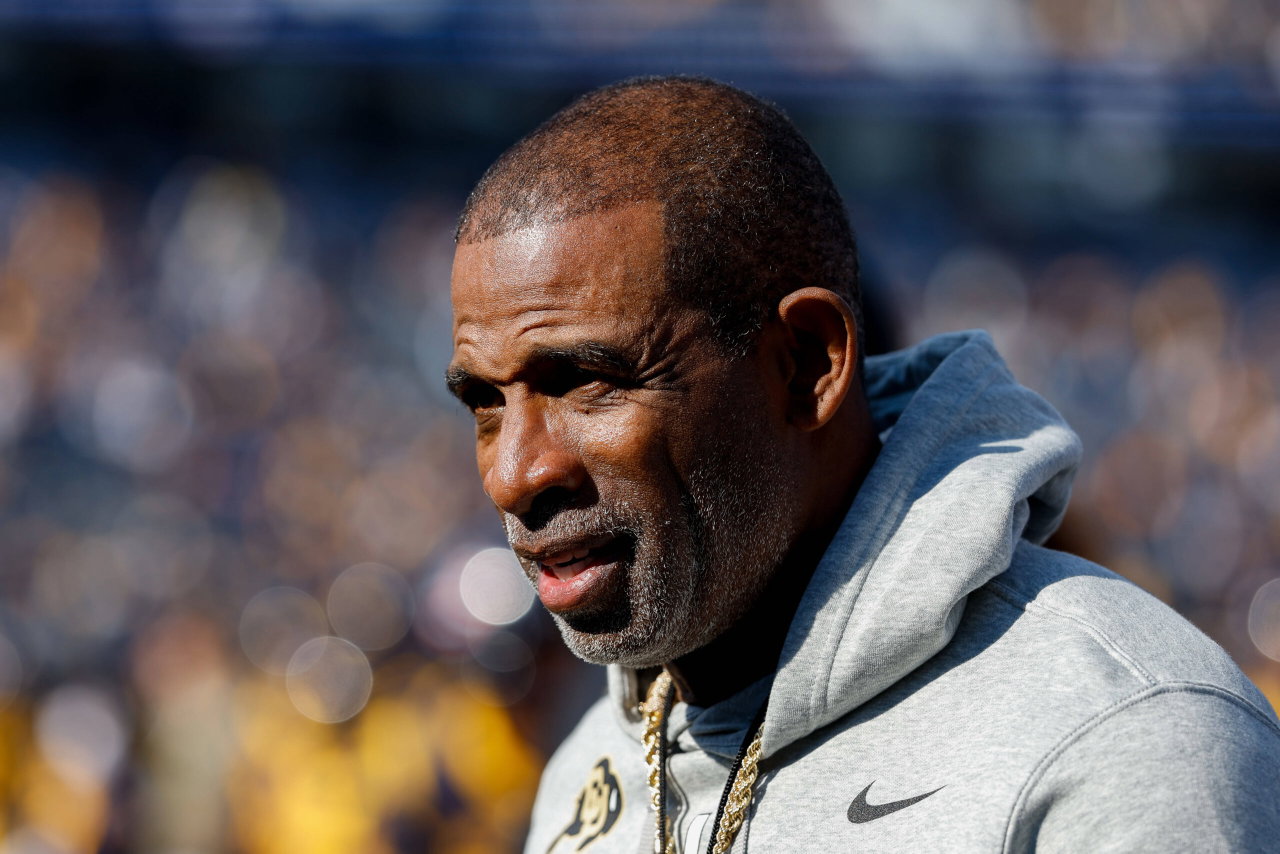
Deion Sanders used the transfer portal to bulldoze Colorado’s roster and rebuild the program almost overnight. Now he is helping sell a bill that could stop the next coach from using the same playbook, and legal expert Darren Heitner is calling out the contradiction.
Watch What’s Trending Now!
“Sanders is the more interesting case. His ad spoke about historically Black colleges and his role as a father, and I do not doubt his sincerity on either,” Heitner wrote on LinkedIn. “But few coaches in the sport leaned harder on unrestricted transfers than Sanders did in rebuilding Colorado.”
“He is now the face of a bill that would take much of that tool away from the next coach trying to do the same thing, while locking in a Big 12 whose members stand to gain from the same media rights and realignment provisions that serve [Cody] Campbell,” Heitner added.
Notice what he’s not saying. Heitner isn’t attacking Sanders’ character, and he believes the message about HBCUs and fatherhood was genuine. His problem is with the portal, and with who gets to use it. And here’s where the Protect College Sports Act comes in.
It puts a ceiling on what schools can pay athletes and limits those athletes to one free transfer. The Senate passed it 77-22, which made it the first comprehensive federal college athletics bill to get through either chamber of Congress.
On top of that, the NCAA, the conferences, the schools, and the College Sports Commission couldn’t be taken to federal court over how they enforce the pay, transfer, and eligibility rules.
So a coach who built a roster on free movement is now backing rules that cut that movement down. Heitner says the next coach trying to climb the same way would be missing the very tool that made the climb possible.
Cody Campbell is the chairman of the Texas Tech University System Board of Regents, and his group, Saving College Sports, has paid for most of the push behind this bill. That includes a roughly $10 million ad campaign with former Alabama coach Nick Saban and Sanders. Heitner thinks neither coach was paid to be in those ads.
He says the bill works out nicely for Campbell’s school. Schools could team up and sell their media rights together, so TV money shifts away from the SEC and Big Ten. It also puts a limit on how many schools a power conference can have, and it punishes schools that switch leagues. That locks the map in place right when Texas Tech has become a real national contender.
Colorado plays in the same Big 12, so Sanders’ program stands to gain from the same provisions.
The NAACP has gone after the bill from a different direction, as President Derrick Johnson called its HBCU funding promises “vague” and said the legislation will harm Black student-athletes. That hits differently when you remember that Sanders’ ad talked about historically Black colleges.
This isn’t done yet, as Ted Cruz says the House can pass the bill in a single day and expects members back before the election. Jake Sherman’s reporting paints a different picture. House Republican leaders say nobody is coming back for it, since it isn’t a priority five weeks out from an election. They also aren’t sure it would get through the Rules Committee. The House doesn’t return until early November.
Coaches Stay Uncapped While Athletes Face Limits
Players and coaches get very different treatment here. Schools would have a limit on what they can pay athletes. Nothing limits what they pay a coach, and nothing stops a coach from walking out the door whenever he likes.
Heitner sees a job market that leans toward the people on the sideline. That’s why, in his view, the American Football Coaches Association wanted the bill passed. Costs stay predictable, and players move around less, which helps every head coach.
Saban got asked about this on First Take this week. He said he couldn’t explain why athletes had no say when the bill was written. He also called player pay and coach pay two separate markets, like comparing a student’s scholarship to a professor’s salary. Heitner isn’t convinced.
Also, an amendment to cap coach pay received 47 votes before it failed, which was far more support than Heitner expected. Coach buyouts could approach last year’s record of $220 million.
That brings it back to Sanders. Colorado’s rebuild was powered by players who could move freely, and under this bill, coaches would keep their freedom while players lose most of theirs. Sanders is the one putting his face on it, and Heitner’s question is whether that squares with how he built his own roster.