
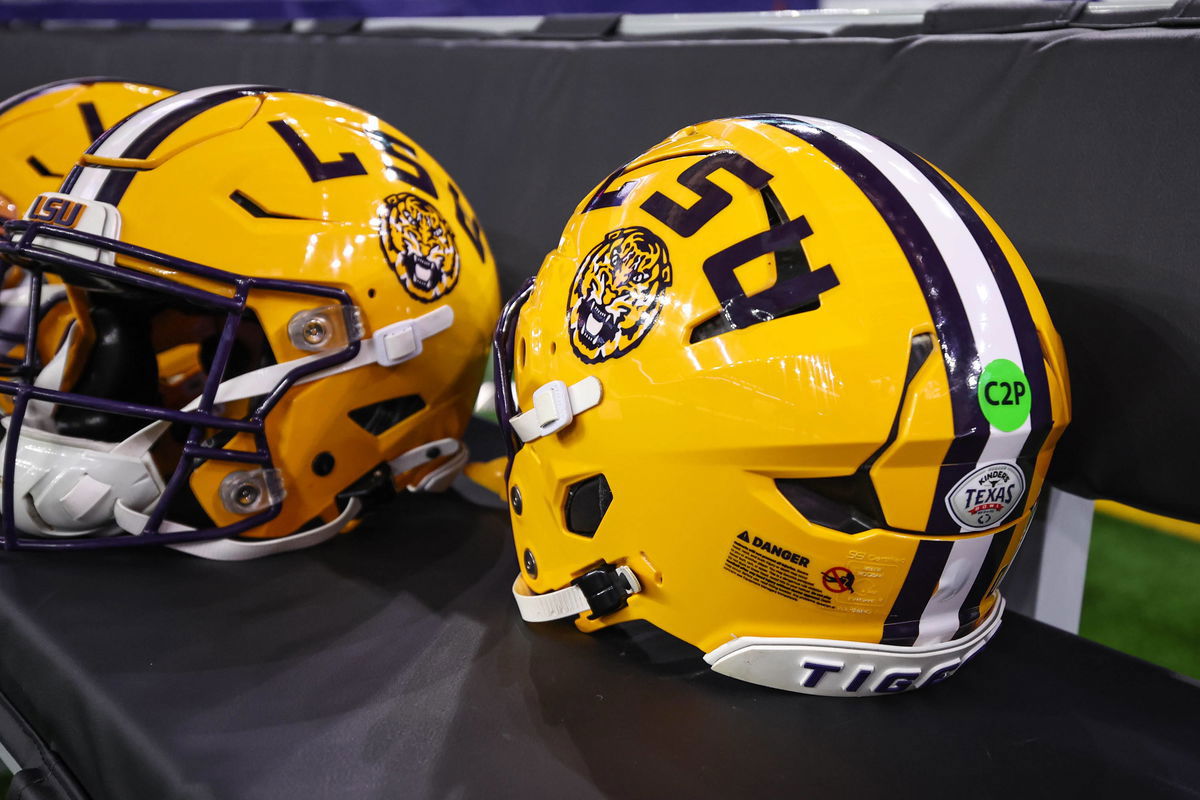
LSU found a creative way to keep pace with the escalating costs in the era of revenue sharing. Though private equity in college football officially entered in 2025, LSU finally embraced the idea of that recently. This first-of-its-kind financial deal makes the Tigers the first SEC school to get private capital.
Watch What’s Trending Now!
LSU Athletics has closed a deal with private equity, according to local Baton Rouge media outlet RedEye, as reported by Louisiana Illuminator’s Julie O’Donoghue on August 3.
A venture fund for the LSU athletic department has been launched. LSU is expected to generate over $100 M in upfront capital. However, in exchange for the landmark arrangement, investors will earn nearly 10% of the annual stake from LSU’s future media rights tied to football. There’s a buyback clause, too.
Last month, LSU Athletics sent an invitation to its 40 donors to come to the Governor’s Mansion to discuss a unique revenue-generating stream to support its financial burden with the 2026 roster expenses and coaches’ buyouts. Now, reports suggest those donors will meet at the mansion to discuss the venture fund and the school athletic department’s financial future this week.
“College athletics is at a financial crossroads, and we’re feeling it every day at LSU. As someone who has contributed generously to our athletic programs to keep them operational, you know how unsustainable the budget of the athletic department looks and how hard TAF has worked with our donors to assist,” read LSU’s donor-invitation letter, obtained by Yahoo Sports’ Ross Dellenger.
This new venture will help LSU to support its spending of over $70 million in dead money, including fired coaches’ buyouts and a $3 million buyout to Ole Miss for hiring the new LSU head coach, Lane Kiffin, before ending his contract with his former team.
This season, the school has invested more than $40 million in roster building. Given all, the school is facing a financial deficit, ranging from $35 M to $45 M in the 2026 fiscal year.
To cap it off, the school spend over $40 million on NIL deals. This was a monumental increase from their 2025 numbers. Now with this private equity investment, LSU may get nine figures in NIL funds. But this isn’t the lone remedy the program has adopted to address its huge financial pressure.
Last month, the Tigers inked a jersey patch deal with Woodside Energy. LSU AD Verge Ausberry called the multi-year partnership a “monumental step” for the Tigers’ student-athletes and the athletic department. He believes this collaboration will help the program to set the standard high in the shifting era of college athletics and play a forefront role in recruiting competition with the Big Ten and its conference rivals.
LSU isn’t the first in college football
In the SEC, LSU is the first school to make a private equity investment. But in college football, before the Tigers adopted this alternative revenue model, Utah made a landmark arrangement with an equity firm, Otro, to stay competitive in the era of growing costs, as reported by Yahoo Sports in December 2025.
With this private equity deal, Utah is expected to gain revenue of more than $500 million, including the company’s nine-figure cash and donors’ capital. In exchange, the New York-based firm will take some percentage of revenue from Utah Brands and Entertainment annually.
Before making a deal with Utah, the company pitched Big Ten schools, according to reports. Now, after Utah’s deal, whether it makes any more is unclear, but this revenue-generating model could be followed by other powerhouses to back their financial hurdles.
The urgency of adopting a new revenue-generating model isn’t unfamiliar in college athletics, as it’s entering a more personalized ecosystem. That’s why programs like Clemson, Kentucky, and Michigan State have already talked about getting private capital outside the athletic department.