Imago
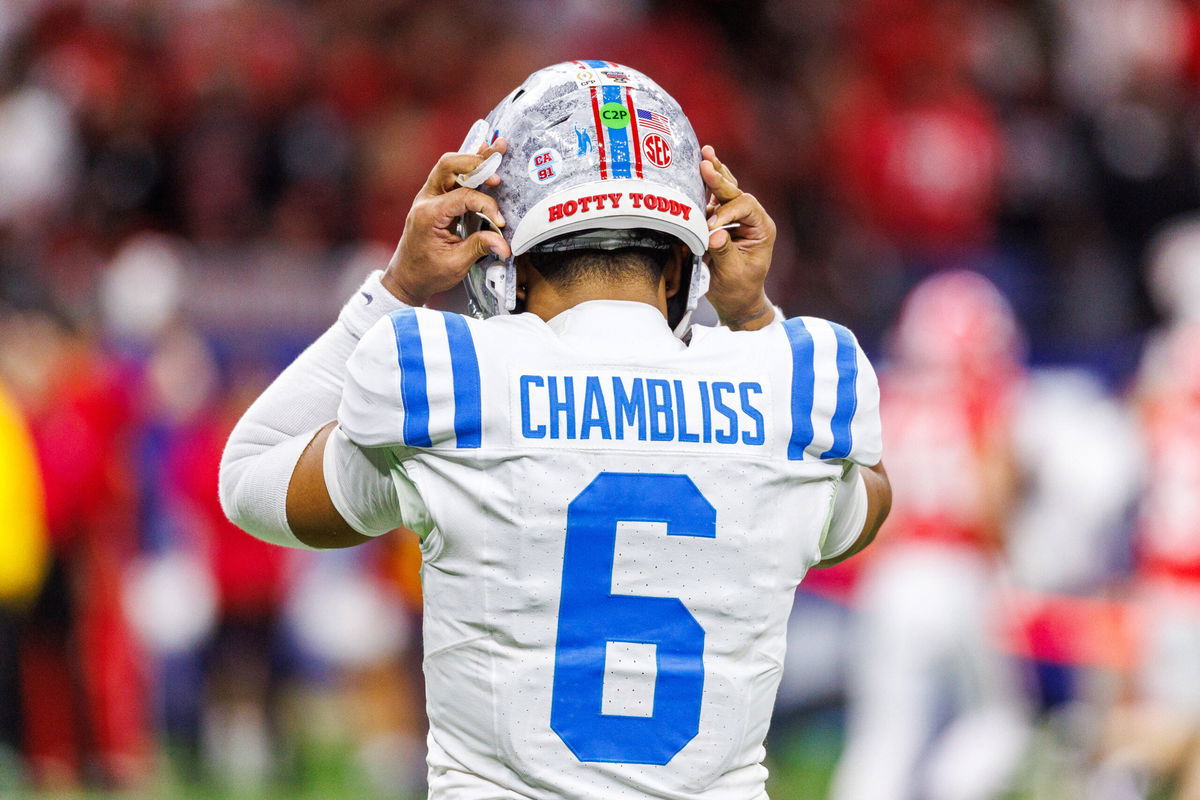
January 01, 2026: Mississippi quarterback Trinidad Chambliss 6 listens for the play call during NCAA, College League, USA football game action between the Ole Miss Rebels and the Georgia Bulldogs at Caesars Superdome in New Orleans, Louisiana. /CSM New Orleans United States of America – ZUMAc04_ 20260101_zma_c04_446 Copyright: xJohnxMersitsx
Imago
January 01, 2026: Mississippi quarterback Trinidad Chambliss 6 listens for the play call during NCAA, College League, USA football game action between the Ole Miss Rebels and the Georgia Bulldogs at Caesars Superdome in New Orleans, Louisiana. /CSM New Orleans United States of America – ZUMAc04_ 20260101_zma_c04_446 Copyright: xJohnxMersitsx
Just when Trinidad Chambliss thought the fight to play for another year was over, the NCAA pulled a shocker. After losing sixth-year eligibility twice against the NCAA, a Mississippi court judge finally granted Chambliss a preliminary injunction. But it turns out the NCAA isn’t ready to accept the defeat, as it challenges the court’s decision to save future chaos.
Watch What’s Trending Now!
The NCAA made an unexpected move by officially appealing against Lafayette County Chancery Court in Mississippi, the court’s decision that temporarily gave Trinidad Chambliss an extra year to play. But now the NCAA has submitted a 658-page filing urging them to overturn the decision, as they think that this decision gives Ole Miss an unfair competitive advantage.
Their official filing also points to the same: “The preliminary injunction provides Respondent with an additional year of eligibility that is unavailable to other student-athletes under NCAA bylaws. Under the trial court’s order, Ole Miss will enjoy the benefit of rostering a star quarterback who is no longer eligible to compete.”
They are basically worried that Trinidad Chambliss’s win might also prompt other players to start going to court whenever a decision doesn’t go their way. The NCAA even calls this a possible “flood of litigation,” which will make it tougher for them to enforce rules, control the system, and give more power to the courts.
NCAA has filed an appeal to Mississippi Supreme Court challenging Ole Miss QB Trinidad Chambliss’ eligibility injunction.
NCAA warns a lower court ruling in Chambliss’ favor could spark a “flood of litigation” and let courts nationwide second-guess NCAA eligibility decisions. pic.twitter.com/LjE0Hj4tid
— Brandon Marcello (@bmarcello) March 5, 2026
If local judges can bypass NCAA bylaws with preliminary injunctions, the governing body loses its enforcement teeth entirely. This appeal is less about stopping one quarterback in Oxford and more about preventing every sidelined player from treating state courthouses as an overriding appeals committee. This would completely unravel the current eligibility framework.

Despite this new legal challenge, Chambliss’s attorney, Tom Mars, still remains confident that the NCAA’s appeal will ultimately fail, as he drew a comparison to past cases of defeats they have faced.
“Everyone remembers when the NCAA famously appealed to the Supreme Court in the Alston case and got their teeth knocked out by Justice Kavanaugh. I expect the NCAA to be spitting chiclets in this appeal as well.”
Tom Mars is likely referencing the landmark Alston case, where the Supreme Court ruled against the NCAA’s limits on education-related benefits for athletes. He believes a similar anti-NCAA sentiment could prevail here, leading to another high-profile legal defeat for the governing body. The same can happen in this case as well.
It all started with Trinidad Chambliss’s medical waiver request, where he had a respiratory condition back in the 2022 season. He claimed that the complications came from tonsillitis and chronic fatigue that forced him to stay out for that season.
But the NCAA argued that the documentation provided was insufficient to support his case. The result? They denied his plea twice. The verdict was also based on Ferris State’s explanation, where they claimed that Trinidad Chambliss didn’t play because the coaches felt he needed more development, not because of a medical issue. That’s when Chambliss had to take another route and appeal in court. Now, the real question is what if the NCAA actually wins against the court’s decision?
Ole Miss’s future is stuck on Trinidad Chambliss’s shoulders
Trinidad Chambliss has remained one of the most important reasons behind Ole Miss’s first-ever playoff run last season. This guy threw for 3,927 yards with 22 touchdowns. Now, the team was already prepared for how things might go south and that they could lose Chambliss to the NFL if he loses the case.
This legal tug-of-war leaves Ole Miss operating in the dark just as critical 2026 preparations begin. The lingering uncertainty fundamentally alters the coaching staff’s offensive blueprint. Having a proven 3,900-plus-yard passer changes everything for a team with title aspirations, making the NCAA’s attempt to strip him away highly disruptive to their current spring dynamic.
They got Auburn transfer Deuce Knight back in January, and the team had Walker Howard and AJ Maddox on the team, too. But here’s the deal: Knight didn’t start last season for Auburn, as he lost the role to Jackson Arnold. He did make his first appearance against the Mercer Bears, but to go up against top SEC teams, he still needs proper development that he can get while developing under Chambliss.
With the NCAA making another move against Chambliss, Ole Miss faces a potential nightmare scenario as it prepares for the 2026 season. The difference between having Chambliss under center and relying on unproven talent could define their entire 2026 season, making the outcome of this appeal a critical turning point for the program.
Related Newsletters