

An attorney for two former NFL players is preparing to subpoena SEC Commissioner Greg Sankey, alleging personal bias in how the league handled their college eligibility. The dispute has now crossed into territory rarely seen in college sports: an explicit personal-vendetta claim against a sitting conference commissioner. What started as an effort to secure one final season on the field has grown into a major legal showdown involving LSU and the SEC.
Watch What’s Trending Now!
The attorney, Tony Clayton, representing former NFL players Dae’Quan Wright and Zxavian Harris, is preparing to take the matter further. Clayton believes the SEC’s handling of the situation has hurt his clients, and he wants commissioner Greg Sankey to answer questions about the conference’s decisions. Speaking on the Locked On LSU podcast with Matt Moscona, Clayton revealed that he is preparing a damages lawsuit and explained why he wants Sankey to testify under oath.
“There’s no difference at all. And I’ll tell you that, you know, it’s up to those players to give us the go-ahead. I’ve begun to do research to get ready to prepare a damage suit against the SEC for the way that they treated those football players. And I think it’s going to be a big damage suit,” Tony Clayton said on the Locked On LSU podcast with Matt Moscona.
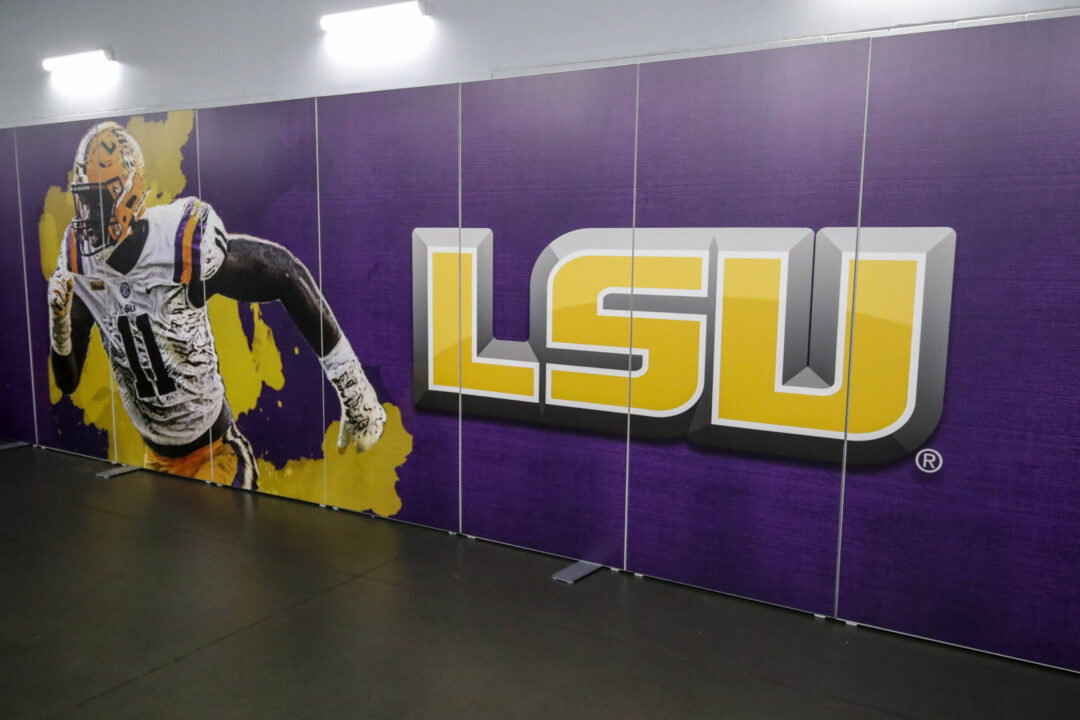
Imago
NCAA, College League, USA Football 2022: LSU vs Georgia DEC 03 December 03, 2022: The signage by the locker rooms is displayed prior to SEC Championship action between the Georgia Bulldogs and the LSU Tigers at the Mercedes Benz Stadium in Atlanta, GA. Jonathan Mailhes/CSM Atlanta GA USA EDITORIAL USE ONLY Copyright: xx ZUMA-20221203_zaf_c04_005.jpg JonathanxMailhesx csmphotothree013547
During the podcast, Moscona asked Clayton whether Wright and Harris were in a different position from other athletes who had received preliminary injunctions allowing them to pursue another season of college football but still did not make LSU’s roster.
Clayton rejected that distinction and said he had started preparing a lawsuit over what he believes the SEC’s actions have cost the two players.
The attorney argued that the consequences could extend beyond the players missing an opportunity at LSU. He believes the controversy could also affect their reputations and future chances in football.
“I mean, you’ve ruined these kids. You put a scarlet letter around their necks, and they won’t be able to, I mean, they’ll just be tarnished for the rest of their lives,” Clayton added.
Clayton later clarified that his planned lawsuit would target the SEC and Sankey personally. He alleged that the commissioner allowed personal feelings to influence how the situation was handled.
“It would be the SEC, Mr. Sankey personally, because I think he allowed his personal feelings to get involved here,” Clayton told Moscona.
He also said he believes the case could be filed in East Baton Rouge Parish, Louisiana, pointing to the SEC’s relationship with LSU and its oversight of the university. The lawsuit, however, remains in the planning stage, and Clayton’s allegations have not been established in court.
Clayton’s concerns go beyond LSU’s decision not to roster Wright and Harris. He also wants to know why he believes the SEC handled LSU’s situation differently from those involving other college football programs.
The bias claim centers on what Clayton calls selective enforcement by the conference. During court proceedings in Baton Rouge, Sankey faced intense questioning over why other programs were allowed additional eligibility for key players, while the SEC threatened LSU with heavy fines, coach suspensions, and even membership expulsion for trying to roster Wright and Harris. Clayton believes that stark contrast reveals a direct double standard aimed at LSU.
When Moscona asked whether he had a theory about the conference’s approach, Clayton said he already knew what he would ask Sankey if the commissioner were required to testify under oath.
“That would be my first question that I ask Mr. Sankey once he’s sworn in. And then from there, you will see whatever his answer is to that question. I will be able to show you other situations where he allowed other schools,” Clayton said.
He brought up the eligibility situation involving Ole Miss quarterback Trinidad Chambliss as part of his argument, questioning whether similar cases had received different treatment. Clayton believes the legal process could give him an opportunity to examine those situations and challenge the SEC’s decisions.
The attorney also accused Sankey of having a personal dislike of LSU, though that remains his allegation rather than an established finding.
“You can’t justify doing this to LSU other than he just had some malicious reason for why he’s acting the way he’s acting,” Clayton said. He added that he expected Sankey to face questions in Louisiana if the legal action moved forward.
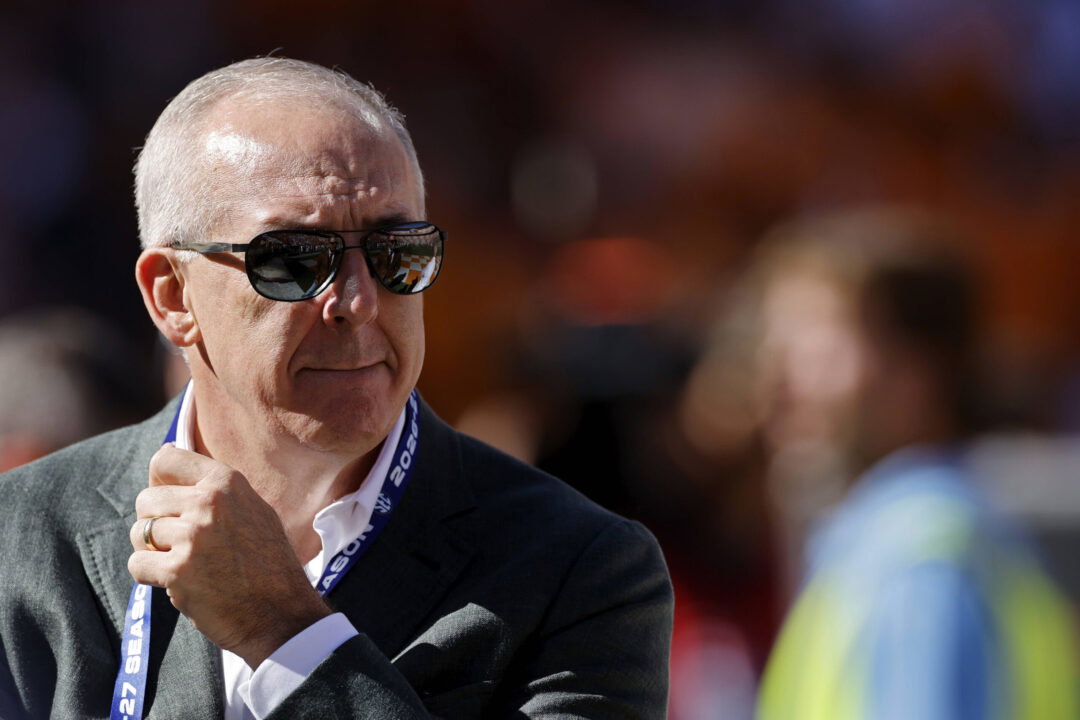
Imago
KNOXVILLE, TN – SEPTEMBER 26: SEC commissioner Greg Sankey looks on before the college football game between the Texas Longhorns and Tennessee Volunteers on September 26, 2026 at Neyland Stadium in Knoxville, Tennessee. Photo by Joe Robbins/Icon Sportswire COLLEGE FOOTBALL: SEP 26 Texas at Tennessee EDITORIAL USE ONLY Icon573260926045
The controversy began when Wright and Harris sought another opportunity to play college football after spending time with NFL teams. Both hoped to join LSU after pursuing additional eligibility through the courts.
A Louisiana judge granted preliminary relief to Wright, Harris, and other athletes seeking another season. The SEC subsequently filed a federal lawsuit against LSU and head coach Lane Kiffin, arguing that the university’s efforts to recruit former professional players violated the conference’s rules.
The SEC maintained that its professionalism rules help preserve the distinction between college and professional sports. It also argued that allowing former professionals to return could raise competitive concerns and affect opportunities for other college athletes.
The dispute escalated when the conference threatened to pursue LSU’s expulsion if the school continued to challenge its rules. LSU eventually filled its remaining roster spots with cornerback Aidan Anding and defensive end Gabriel Reliford, leaving no room for Wright or Harris on its 105-player roster.
That decision ended the immediate possibility of the two players joining LSU, but it did not settle the wider disagreement over eligibility or the SEC’s response.
The SEC’s Position and What Comes Next
The SEC has maintained that its actions were directed at LSU and its athletic department, rather than at making individual athletes ineligible. The conference has also argued that its member schools agreed to follow its rules.
Sankey previously submitted an affidavit stating that conference presidents voted 15-0 in favor of the rules, with LSU’s Wade Rousse abstaining. He also said the SEC was acting independently and was not working with the NCAA to prevent Kiffin from recruiting former professionals.
Meanwhile, Wright and Harris are still looking for ways to continue their football careers. Wright’s agent, Drew Rosenhaus, previously said the NFL was considering his client’s options after he left the Cleveland Browns while pursuing the opportunity to play for LSU. Harris was also reportedly looking for another professional opportunity.
Clayton believes the players deserve the chance to pursue damages over the impact of the dispute. Whether the lawsuit moves forward will depend on the players’ decision and the legal process that follows. There is currently no confirmed date for Sankey to testify under oath.
For now, Clayton wants answers about how the SEC handled LSU’s eligibility dispute. If the case proceeds, the commissioner’s decisions could face further scrutiny, while Wright and Harris continue searching for their next opportunity in football.