Imago
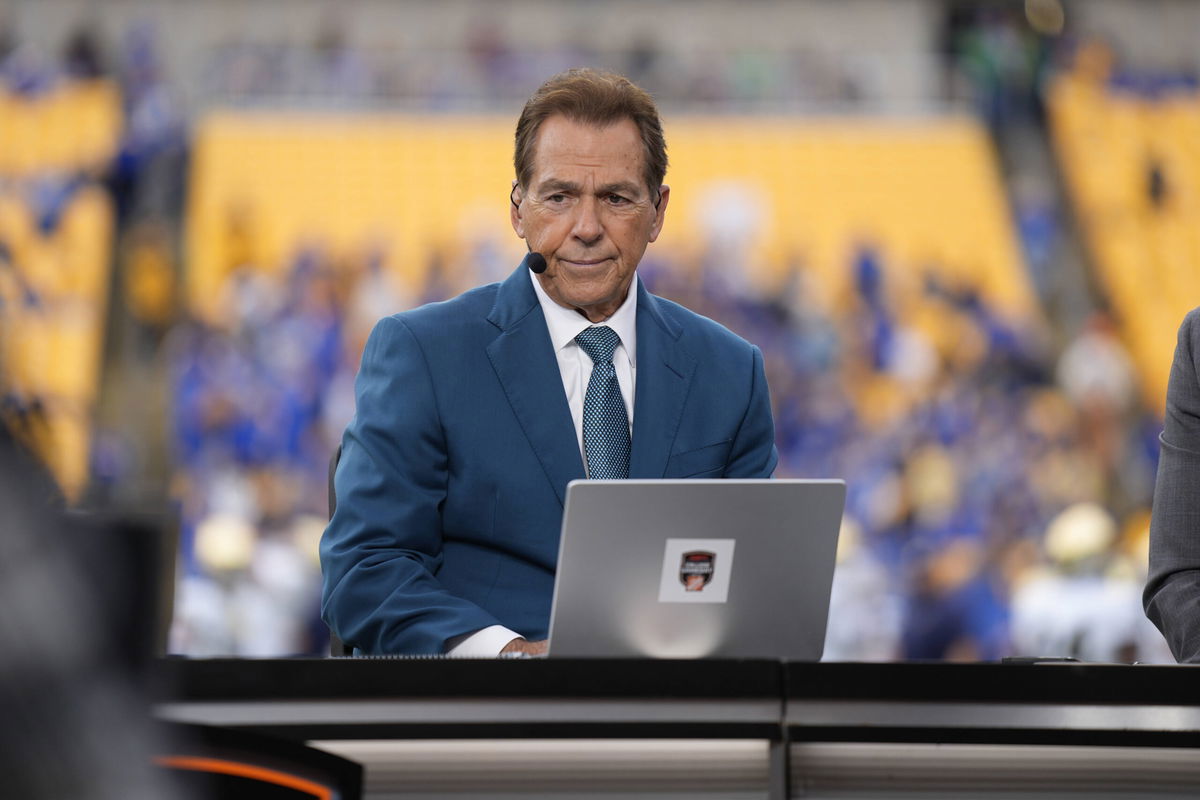
November 15, 2025, Pittsburgh, Pennsylvania, USA: November 15, 2025: Nick Saban on ESPN College Game Day during the University of Pittsburgh Panthers vs. Notre Dame Fighting Irish at Acrisure Stadium in Pittsburgh PA. Brook Ward / Apparent Media Group Pittsburgh USA – ZUMAa234 20251115_zsa_a234_351 Copyright: xAMGx
Imago
November 15, 2025, Pittsburgh, Pennsylvania, USA: November 15, 2025: Nick Saban on ESPN College Game Day during the University of Pittsburgh Panthers vs. Notre Dame Fighting Irish at Acrisure Stadium in Pittsburgh PA. Brook Ward / Apparent Media Group Pittsburgh USA – ZUMAa234 20251115_zsa_a234_351 Copyright: xAMGx
Last week, President Donald Trump signed an executive order titled “Urgent National Action to Save College Sports” to address issues concerning the current landscape of college athletics. It comes a month after he held a roundtable discussion involving college officials, former coaches, and other stakeholders. Nick Saban, a vocal supporter of President Trump’s executive orders regarding college sports, called the latest one a huge step towards restoring order.
Watch What’s Trending Now!
“It really works long-term without some kind of regulations, something that allows universities to preserve opportunities for all sports, including women’s and Olympic sports, not just football and basketball,” said Saban during his Monday appearance on Fox News.
“I want to thank the President (Donald J. Trump) for showing leadership and creating a round table, which consisted of college presidents, commissioners, athletic directors, and coaches, to gather information as to what might help create some regulation that would help us long term, be able to manage and fund all sports, so that we continue to create opportunities for young people.”
The order’s centerpiece is a stricter transfer framework that allows athletes only one penalty-free transfer during their career, plus a second upon earning a four-year degree, before a sit-out season is required for any subsequent moves.
Which Prospects should OSU target next?
Let Tony do the scouting, you just make the pick.
This no-free-moment rule definitely helps end the chaos college football has faced over the last few years due to the transfer portal and NIL. Then the new order seeks to introduce a more organized approach to NIL earnings. But the most intriguing fact is that the order also introduces a proposed “5-for-5” eligibility model, giving athletes five years to compete across five seasons.
This attempt will help to close loopholes that recently fueled battles for sixth- and even seventh-year eligibility. That could spark confusion and legal tension across college athletics. But Power 4 conference leaders join Saban in backing the executive order.
NICK SABAN: I want to thank @POTUS for showing leadership, and creating a roundtable to gather information that could help create some regulation that would help us manage and fund ALL sports, so that we can continue to create opportunities for young people. pic.twitter.com/cHuxfdv3ga
— Rapid Response 47 (@RapidResponse47) April 6, 2026
B1G Commissioner Tony Petitti showed support, writing, “The Big Ten Conference would like to thank President Trump for his leadership and continuing efforts to protect college athletics and joins him in urging Congress to quickly pass legislation addressing the critical issues undermining its long-term stability.”
“The establishment and enforcement of consistent national standards for college athletics remains a top priority, and President Trump’s executive order provides important clarity to help ensure all programs operate under comparable policies. We are grateful for the President’s leadership and the continued, bipartisan engagement of members of the House and Senate on these key issues,” said SEC Commissioner Greg Sankey.
However, if the NCAA goes ahead with the changes, it will likely face legal challenges. Many lawyers told Front Office Sports that the “stipulation in the executive order limiting players to one transfer” won’t stand up in court. Some of the restrictions mentioned in the executive order were struck down in court two years ago.
“The NCAA is a private organization, and its bylaws are internal contracts. EOs only direct federal agencies, not private groups,” sports attorney Darren Heitner told Front Office Sports. “No statute gives the President power to rewrite them or deprive athletes of their rights. An EO would be aspirational only and a waste of time.”
Even President Trump discussed such legal challenges last month and hoped to get a favorable ruling from the court.
Does this order reduce Nick Saban’s concerns?
The order directly addresses several of Nick Saban’s primary concerns, beginning with an NIL system he argued had devolved into a ‘pay-for-play’ model and, as a result, destroyed competitive balance.
Saban expressed frustration with constant player movement, which he believed stunted development, and warned that the uncontrolled spending required to keep rosters intact would eventually bankrupt programs. Now, with the new executive order, these concerns will not be solved overnight, but it will definitely help restore structure. If implemented as expected, the changes could begin to reshape roster strategy as early as August 1.
However, there is a major issue with the whole process. Even during the roundtable discussion last month, the lack of student-athlete representation was pointed out. The discourse from conference leaders and former coaches seeks a return to the old order. But any discussion without adequate representation of all stakeholders is futile.
Written by

Edited by

Amit