
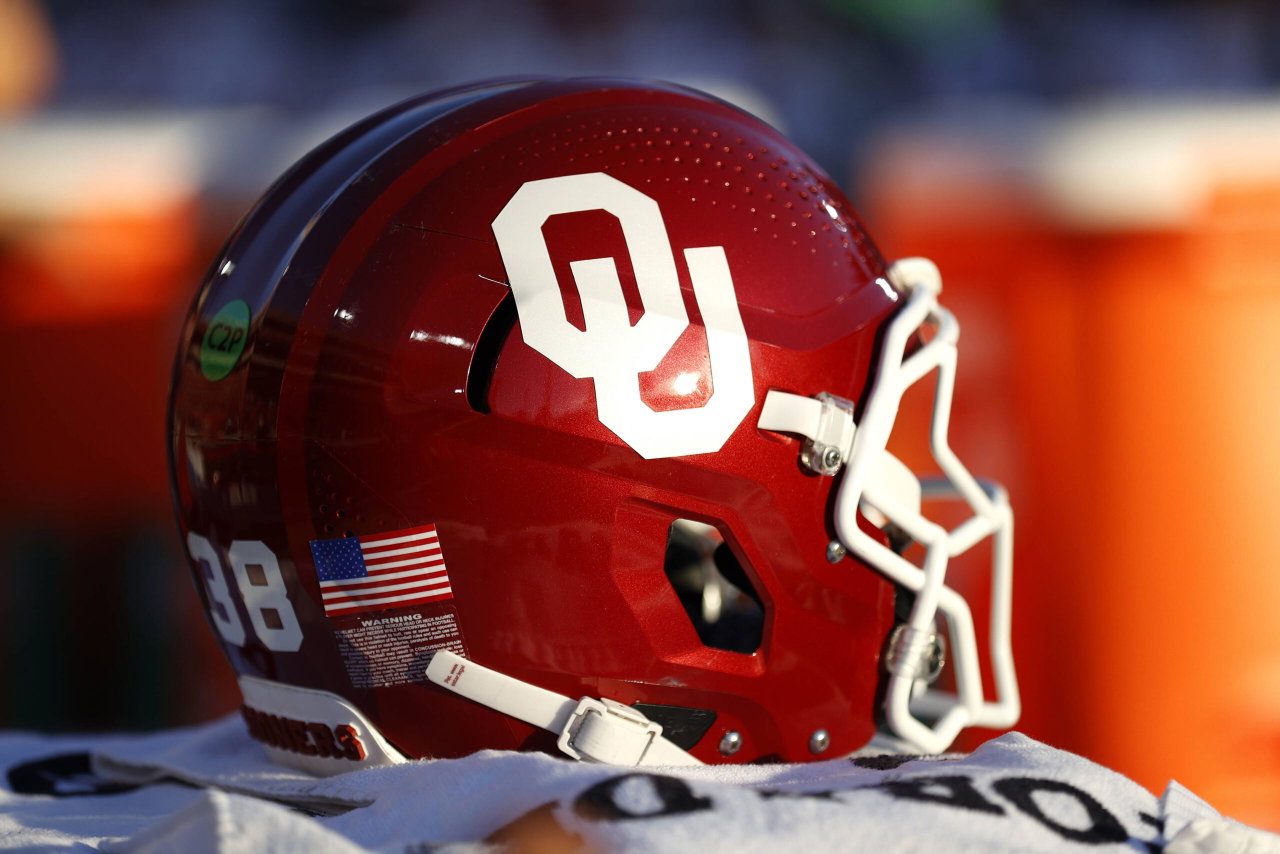
A travel disruption involving Ole Miss has put Oklahoma in an unexpected position ahead of its Week 11 game. The situation has left the Sooners with a game they didn’t ask for, and the SEC’s decision carries consequences beyond the field.
Oklahoma had no real choice but to accept the SEC’s decision to move its home game against Ole Miss to Sunday, November 15, at 1 p.m. ET, according to athletic director Roger Denny. He said the Sooners strongly objected to the change, which pulled the game off its original Saturday, November 14, date, but that commissioner Greg Sankey told them a forfeit would follow if it did not play at the new time.
“This decision isn’t fair to our athletes, our institution, or to Sooner Nation. We’ve been given no other choice,” Denny wrote in the official statement, shared on X. “We are obligated to play this game when directed, but we remained steadfast in our belief that the wrong outcome was reached this evening.”
The scheduling controversy began after the FAA issued a nationwide ground stop on Friday night, leaving several college football programs facing unexpected travel complications. Ole Miss was among the affected teams and could not depart Oxford, Mississippi, on Friday as originally planned.
According to the SEC, the charter company Ole Miss had contracted could not fly the team out late Friday, even after the FAA lifted the ground stop. Charter and pilot problems, including expired crew duty limits, then kept the Rebels from leaving Oxford before 4 p.m. ET Saturday.
The SEC explained its decision in a statement, saying, “The Ole Miss football team was unable to depart Oxford Friday night due to the FAA ground stoppage.”
The conference added that the team’s departure had been delayed until Saturday afternoon because a late-night flight could not be arranged.
While acknowledging the difficulties created by the FAA disruption, Denny questioned why Ole Miss could not find an alternative travel arrangement. He said Oklahoma had communicated with both the Rebels and SEC officials after learning about the situation. However, his statement included a pointed observation about the visiting team’s travel arrangements.
“We were told that Ole Miss explored every avenue to travel to Norman and play on Saturday as planned,” Denny further wrote in his statement. “But, unlike every other team traveling for competition tomorrow, they were unable to find a solution.”
Denny also raised concerns about Oklahoma fans. He specifically highlighted the situation facing Oklahoma supporters who had planned to attend the game at Memorial Stadium in Norman.
Moving the game from Saturday to Sunday created additional complications for fans who had already arranged their travel and schedules around the original kickoff. Denny described the resulting disruption as unnecessary and argued fans deserved more consideration.
“Their time, commitment, and investment deserve greater consideration than they were afforded in the conference’s decision tonight,” he added.
Ole Miss was not the only SEC program affected by Friday’s FAA advisory. Auburn also experienced travel complications ahead of its matchup against Mississippi State in Starkville.
The SEC moved that matchup to 4:15 p.m. ET Saturday. The game had been set for noon, so the later start gives both programs extra time.
Texas and Tennessee also faced travel issues before making plans to attempt departures on Friday night. Tennessee’s matchup against Texas A&M, however, was expected to proceed at its scheduled 3 p.m. ET kickoff, according to the Aggies’ announcement.
Travel arrangements for officiating crews also became a concern. However, every SEC officiating crew was on its respective campus Saturday despite the ground stop.
Friday’s nationwide ground stop was only the second ordered by the FAA since September 11, 2001.
With Oklahoma obligated to play Ole Miss on Sunday despite its strong objections, the SEC’s decision has added another layer of tension to the Week 11 matchup. Whether the controversy continues beyond kickoff remains to be seen, particularly after Denny’s public criticism of the conference’s handling of the situation.