
ESPN dominated sports television for decades, but its cable empire is losing ground fast. Millions of households are ditching traditional TV, threatening the subscriber-driven business model that once made the network a powerhouse. Even a giant like ESPN can no longer afford to ignore the collapse of cable.
Watch What’s Trending Now!
At the same time, ESPN continues to spend big on some of its most recognizable personalities. That has put the spotlight on its talent deals, especially as the network has made cuts across its workforce. Now, fresh subscriber numbers have given fans another reason to question how ESPN is handling its money.
“ESPN suffers major pay-TV subscriber loss,” Awful Announcing posted on X on November 19, drawing attention to the network’s latest figures.
According to Disney’s annual report, ESPN and ESPN2 now have around 54 million pay-TV subscribers, down from 61 million last year. As reported by Deadline and highlighted by Awful Announcing, the latest figure puts the network’s traditional television reach at almost half of the more than 100 million subscribers it had at its peak in 2011.
For a long time, cable and satellite subscriptions gave ESPN a steady source of income. In 2023, the network was reportedly charging television providers $9.42 per subscriber every month to carry its channel. With millions of households leaving traditional TV, that business model is under growing pressure.
ESPN has not stood still, though. The network launched ESPN Unlimited to give viewers another way to watch its programming, while Disney has also worked to bring more ESPN content to Disney Plus.
It is important to note that the 54 million figure covers pay-TV subscribers, not everyone watching ESPN through streaming services. The number also does not, by itself, establish that ESPN has suffered an overall financial loss. The network reportedly generated around $4.6 billion in revenue, but replacing the money once brought in by cable subscriptions remains a major challenge.
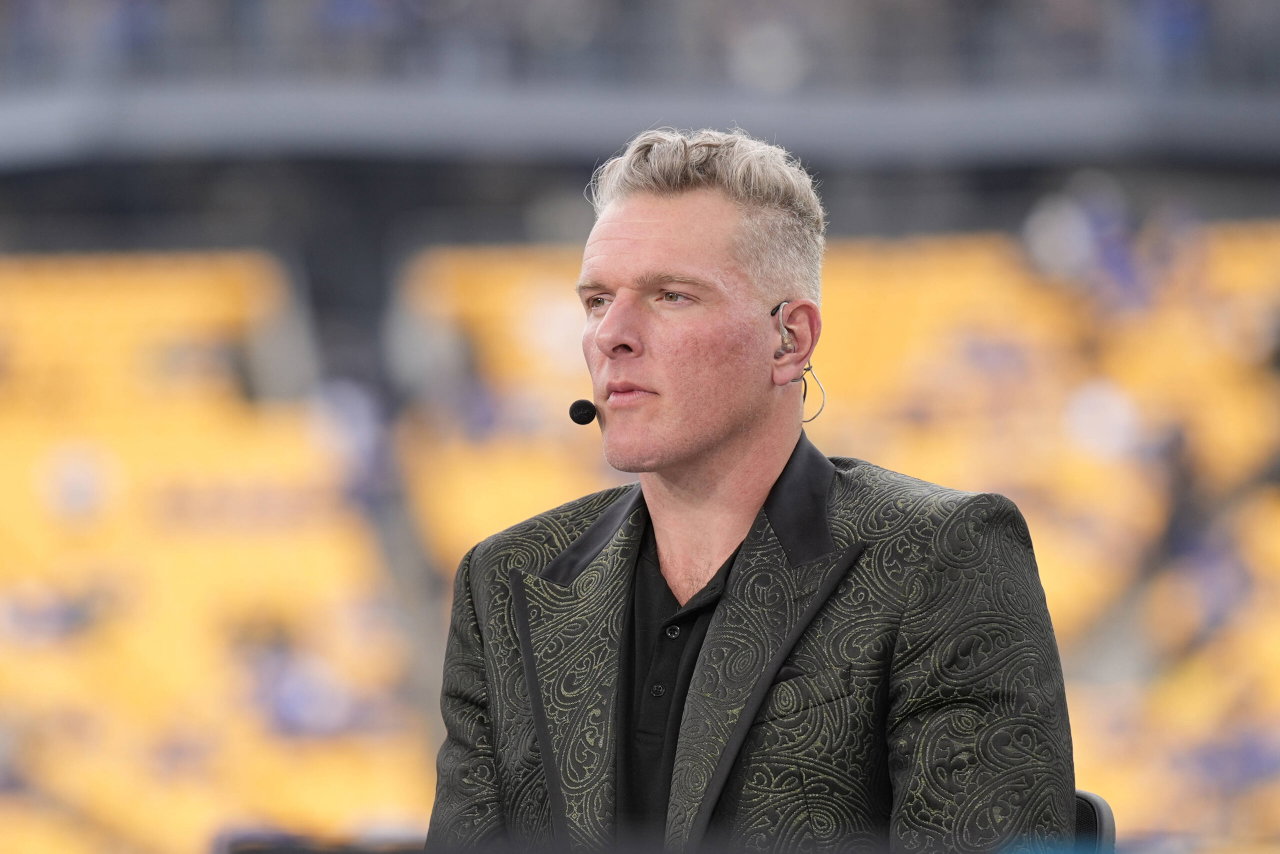
The subscriber decline has also brought ESPN’s biggest talent deals back into the conversation. Stephen A. Smith reportedly earns around $20 million annually under a five-year contract worth more than $100 million. Pat McAfee is estimated to make approximately $30 million a year through his production and licensing arrangement with the network.
McAfee’s future deal has attracted even more attention. Reports suggest ESPN has discussed an extension that could be worth between $60 million and $65 million annually. That figure is a reported possibility, not a confirmed agreement, but it has added to the debate around the network’s spending.
The timing is what has caught viewers’ attention. ESPN has made several rounds of staff cuts, with familiar names such as Ryan Clark, Karl Ravech, David Lloyd, and Stephania Bell among those who have left. Other personalities, including Cam Newton, Bart Scott, and Tom Pelissero, have also been mentioned in coverage of the network’s restructuring.
The discussion picked up after Awful Announcing shared a picture of ESPN’s Monday Night Countdown desk and asked, “What’s the combined annual salary at this table?” The lineup featured Scott Van Pelt, Jason McCourty, Stephen A. Smith, McAfee, Troy Aikman, and Marcus Spears.
The post quickly drew reactions from viewers who questioned how often the same personalities appear across ESPN’s programming. One fan wrote, “Just because they can be on every ESPN show doesn’t mean they should be on every ESPN show.”
Another was even more direct: “Nobody wants to watch SAS and Crap McAfee all day.” The layoffs also became a major part of the discussion, with one viewer asking, “Another question is, how many people got laid off to compensate this table?”
Others focused on McAfee’s growing presence, writing, “Nobody wants to be force fed Pat McAfee,” while another joked, “You mean Pat McAfee didn’t add 30 million new subscribers? Shock.”
There is another side to the picture. ESPN executives have credited McAfee with helping bring younger viewers to the network, with College GameDay’s 18–24 audience reportedly growing by more than 100% over four years.
Monday Night Countdown has also had a strong start, averaging 1.6 million viewers through Week 9. That is the show’s best start since 2015, giving ESPN a positive audience figure amid the criticism.
For ESPN, the challenge is finding the right balance between declining cable subscriptions and continued investment in its biggest shows. Meanwhile, the reaction to McAfee and Smith’s contracts shows that fans are paying attention to how the network spends its money.