
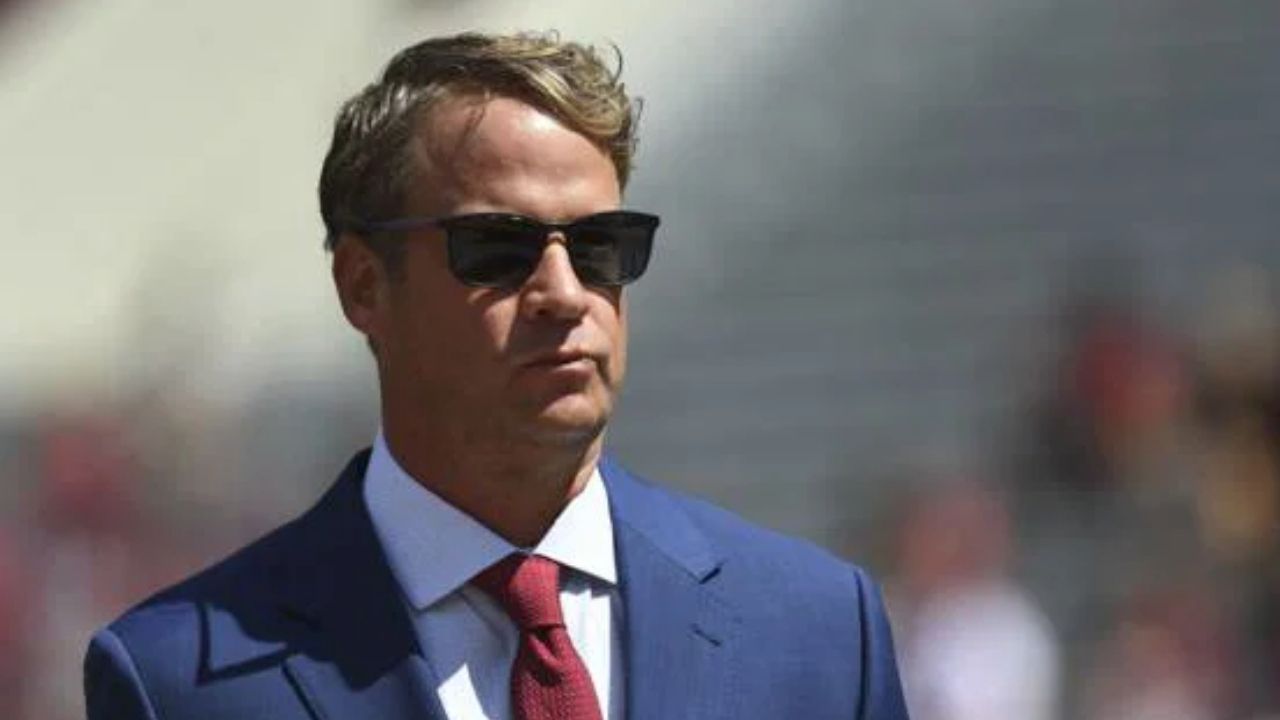
The LSU eligibility fight has reached an awkward point. Lane Kiffin believes his players have a legal right to compete. The SEC believes it can stop schools from using players who have already pursued professional football. And now the courts are sitting between the two sides with the season already here. But all of it surely begs one relevant question.
Watch What’s Trending Now!
“I think LSU fans are like, well, Trinidad only needed one judge in North Mississippi to get eligible all year. Why doesn’t that apply to us?” Ralph Russo asked on the September 1 Audible podcast. The Athletic’s Bruce Feldman, however, thinks that is a dangerous gamble. And his concern has little to do with whether LSU needs another player.
“The fact that you would risk potentially a playoff spot for a backup tight end, even if he’s a good enough player to be in an NFL camp, that seems really risky for a program that is spending literally a fortune,” Feldman said. “So to me that seems very shortsighted, especially when it feels like Greg Sankey and the SEC is the third base coach holding up the stop sign.”
The whole thing began with Chambliss’ 2022 season at Ferris State. He was dealing with a respiratory illness and never played that year. The NCAA counted the season anyway. When Ole Miss tried to get that year restored, the NCAA said no, twice. That left Chambliss with one option: take the fight to court. A Mississippi judge eventually sided with him and opened the door for another season at Ole Miss.
That ruling eventually survived the NCAA’s attempt to overturn it. The Mississippi Supreme Court denied the NCAA’s appeal in March, leaving Chambliss eligible for 2026. Except there wasn’t any backlash, as it is now after LSU is exploring allowing NFL athletes on its roster. Still, there is an important distinction.
Dae’Quan Wright and Zxavian Harris did something Chambliss never did. Both pursued professional football after leaving Ole Miss. Wright signed with the Philadelphia Eagles, later joined the Cleveland Browns, and was released. Harris also spent time with an NFL organization before returning to college. That is the piece the SEC is fighting. And the conference isn’t stopping at that.
According to reports, the conference executives and member institutions are considering strict internal rules. That comes after a Louisiana court stopped the conference from barring former NFL players from playing college ball. In its response, the SEC called the order a “temporary ” and is prepared to pursue further steps.
Not just that, the conference is also exploring extreme measures, including boycotts, expulsions, and sanctions, to stop LSU from fielding former NFL players. That would be an extremely concerning step for LSU since the program has invested heavily in its 2026 season success. Not only did it give Kiffin a $91 million contract, but also spent more than $40 million on its 2026 roster.
Now, LSU could risk something much larger for a player who might not even be a starter. LSU already has Trey’Dez Green, a highly regarded tight end who has been one of the most talked-about young players on the roster. Wright has NFL experience and could provide depth. But is that extra piece worth putting the rest of LSU’s season in a legally uncertain position?
Even if Wright plays and LSU wins it all, the argument does not end there. The SEC could continue fighting the court order. If the conference eventually prevails, questions could follow about penalties, vacating of wins, eligibility, and whether games involving those players could become part of another dispute.