
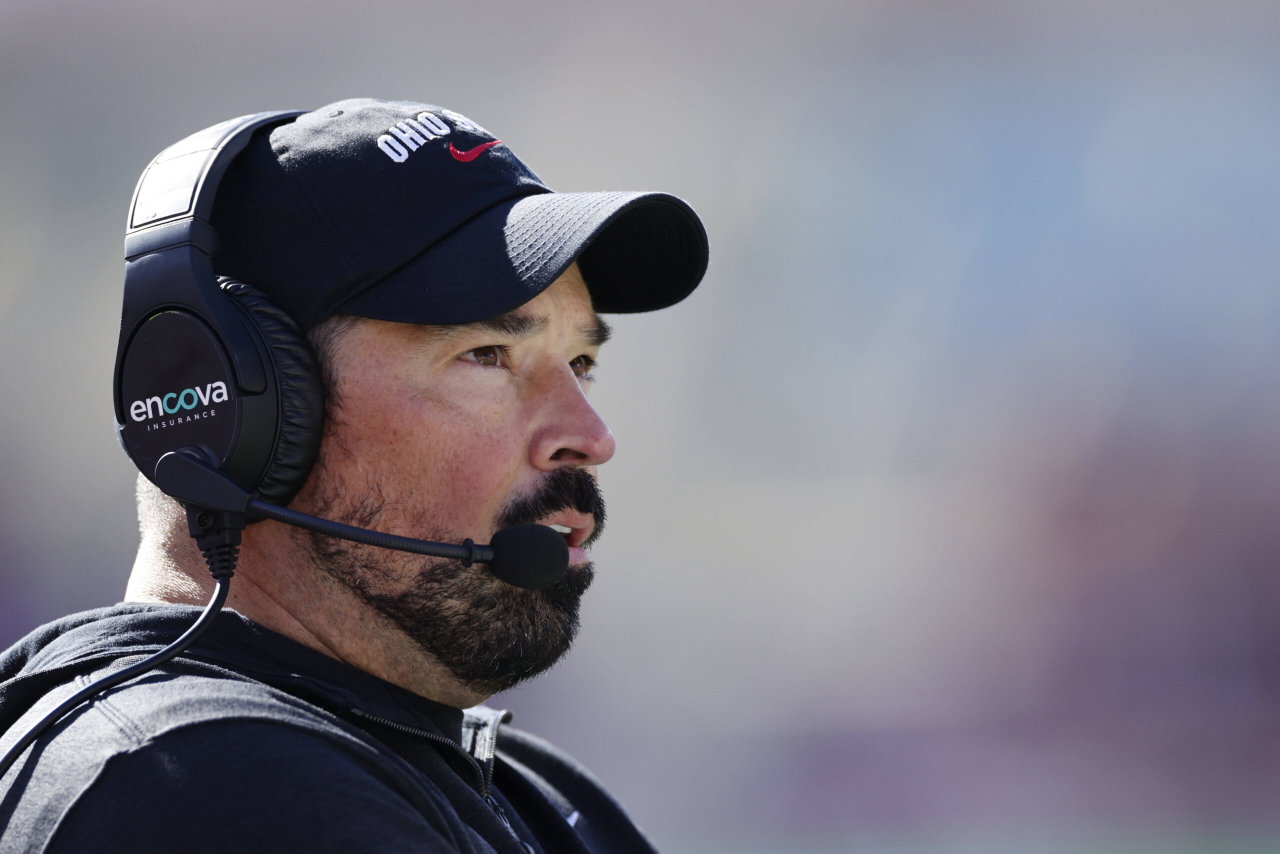
Ryan Day stood at the podium after Oregon left Ohio Stadium with a 41-28 win and made no attempt to soften what the result meant. The Buckeyes led 14-3 in the second quarter. A fake punt from the Ducks’ own territory shifted field position; Oregon scored on that drive, and the visitors eventually ran off 38 unanswered points. Day’s tone was already past disappointment and into acceptance of where the season stood.
“We want to finish with three wins at the end of the season, win the rivalry game, and then we’ll figure out what happens after that. By losing the last two games, we’re not in control of our own future. You have to embrace your reality and go from there,” Day told the reporters, according to Chase Brown of Buckeye Sports Bulletin.
That reality produced an immediate response. On Monday, Ohio State fired special teams coordinator Robby Discher after only nine games in the role. CBS Sports’ Matt Zenitz first reported the move, with ESPN and others confirming it shortly after. The Buckeyes hired Discher in the offseason from Illinois specifically to address a unit that had been a consistent problem. The problems did not stop.
The Oregon game supplied the most visible example. Ohio State appeared to have forced a punting situation on fourth-and-9 from the Ducks’ 31-yard line. Instead, Teitum Tuioti took the snap, drew the coverage, and threw a jump pass to Matayo Uiagalelei, who was uncovered for a 30-yard gain. Oregon scored a touchdown on the drive and never relinquished control. Day had already said after the game that accountability would begin with the coaching staff. Discher became the first visible consequence.
The issues stretched beyond one afternoon. Against USC, Ohio State allowed a 44-yard punt return and committed three special teams penalties in a 30-18 loss. Earlier in the season against Texas, kicker Connor Hawkins missed a 45-yard field goal in the fourth quarter that would have given the Buckeyes a two-score lead. Day had already addressed the unit’s overall performance in October, stating he could not claim it had improved.
“It’s not just Rob,” he said at the time. “Rob is the coordinator, so he’s in charge, but I’m in every meeting.”
National rankings showed the same pattern. Ohio State ranked outside the top 80 in net punting and near the bottom nationally in both punt return and kick return averages. Those numbers sit well below the standard expected at a program that began the year with championship expectations.
Discher’s previous work at Illinois had produced better results; his units ranked as high as 16th in special teams’ efficiency, but the transition never took hold in Columbus. He became the program’s first full-time special teams coordinator since 2023. Less than a full season later, Day moved on.
The larger picture made the decision easier to understand even if it did not fix every issue. The Oregon loss dropped Ohio State to 6-3, its first three-loss regular season since 2011. The team has also played without starting quarterback Julian Sayin for its last two defeats.
Day has repeatedly said the expectation in Columbus is to win every game and that three losses are unacceptable. He has owned the results publicly while making clear that the evaluation would not stop at one coordinator.
Questions have already reached other members of the staff. Offensive coordinator Arthur Smith and defensive coordinator Matt Patricia have both drawn scrutiny as the offense has struggled for consistency and the defense has surrendered long stretches of points in the past two games. Day has not ruled out further changes, though he has indicated that additional moves could wait until the end of the regular season. Discher’s departure simply showed that an in-season adjustment was already possible.
The remaining schedule leaves little margin. Northwestern, Nebraska, and Michigan remain. Day’s stated goal of three more wins and a victory in the rivalry game is the minimum path if the Buckeyes want any chance to influence their postseason positioning. He has already said the team is no longer in control of its own destiny.
The firing of Discher is the first concrete sign that Day intends to act on that reality rather than wait for it to change on its own. Whether more moves follow will depend on how the final three weeks unfold.