

Saban left the sport because he could see this chaos coming from a mile away. Now, he wants Congress to step in as NIL, transfers, and legal battles continue to affect the game. Still, the SEC and Big Ten aren’t sold on the new Protect College Sports Act, just yet. A day after his testimony, the two powerhouse conferences released a joint statement following a meeting with Senator Ted Cruz, making it clear they still do not support the bill in its current form.
Watch What’s Trending Now!
In a joint statement shared by ESPN’s Pete Thamel, SEC and Big Ten commissioners Greg Sankey and Tony Petitti emphasized that their opposition is because they believe the bill leaves several major issues unresolved.
“We appreciated today’s productive conversation with Senator Cruz regarding the Protect College Sports Act,” the statement read. “It is clear that we all share the same goal of stabilizing collegiate athletics for the long term. We praised positive elements of the bill, especially those that support student-athlete wellness and regulate agents. The SEC and the Big Ten have been consistent from day one: reform needs to happen, and we remain committed to working with our government partners towards lasting solutions.”
The statement continued by stressing that both conferences remain committed to finding solutions.
“Our goal today was to make collaborative progress toward improving this bill,” the statement continued. “We presented concrete solutions to key unresolved challenges, including providing consistent national oversight, ensuring the ability to make and enforce rules, and guaranteeing that student-athletes can maximize revenue share and NIL.

Joint statement from Big Ten Commissioner Tony Petitti and SEC Commissioner Greg Sankey.

“These changes are needed to achieve the bill’s objectives to bring long-term stability to all of college athletics. We reiterated that we do not support this bill in its current form, but look forward to continued constructive dialogue with Senator Cruz and his team.”
The Protect College Sports Act, introduced by Senators Ted Cruz and Maria Cantwell, aims to establish a uniform national framework for college athletics. The bill looks to create national rules for several major issues in college sports, including NIL and player transfers, among others.
One part of the proposal has especially concerned the SEC and the Big Ten. It would allow schools to combine and share media rights revenue if at least 75% of participating programs agree. While that could benefit smaller schools and conferences, it has not gone over well with the sport’s biggest powerhouses. That’s one of the main reasons the two power conferences pushed back against the legislation earlier this week.
“While we appreciate the leadership of Senators Cruz and Cantwell in pursuing these shared goals, we do not support the Protect College Sports Act as drafted,” the joint statement read. “The bill leaves critical issues unresolved. It does not meaningfully preempt the patchwork of state laws or provide the protections needed to make and enforce consistent rules, both essential to long-term stability in college athletics. It also shifts ongoing rulemaking to Congress, limiting the ability to adapt quickly as the landscape evolves.
“Rather than reducing litigation, the bill likely expands it without offering clear alternatives for dispute resolution. Finally, the bill alters the House settlement revenue sharing framework in a way that may result in fewer student-athletes receiving direct revenue share payments.”
Not everyone in college sports sees the bill the same way. ACC commissioner Jim Phillips and Big 12 commissioner Brett Yormark have both voiced their support for the act. The AAC has also done the same. But the disagreement largely comes down to perspective.
Conferences outside the SEC and Big Ten see federal legislation as a way to create clearer rules and bring more stability to college athletics. But the SEC and Big Ten are already getting billions through TV deals and major brands. That’s why they don’t want to support changes that could limit their power. And that’s where Nick Saban enters the conversation.
Nick Saban wants Congress to take action
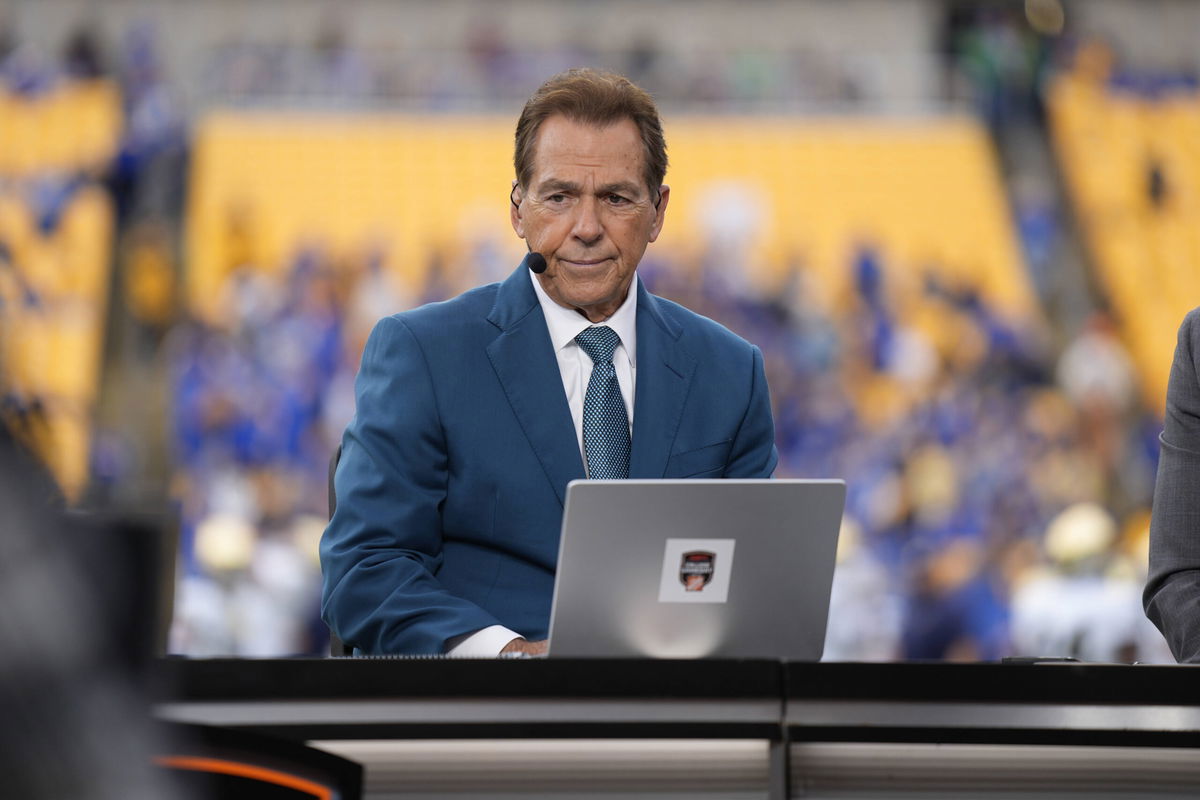
On Wednesday, Nick Saban testified before senators and delivered a passionate defense of the Protect College Sports Act.
Imago
November 15, 2025, Pittsburgh, Pennsylvania, USA: November 15, 2025: Nick Saban on ESPN College Game Day during the University of Pittsburgh Panthers vs. Notre Dame Fighting Irish at Acrisure Stadium in Pittsburgh PA. Brook Ward / Apparent Media Group Pittsburgh USA – ZUMAa234 20251115_zsa_a234_351 Copyright: xAMGx
“Congress does not need to micromanage college athletics,” he said, per ESPN’s Heather Dinich. “Congress does need to fix the mess in the courts and create a national framework so that the people inside college sports can enforce fair rules.”
The seven-time national champion argued that college sports currently lack legal certainty, creating an environment where every new rule becomes another lawsuit.
“Without that legal certainty, every rule becomes another lawsuit, every standard becomes another risk, and the system keeps drifting toward a professional model,” he added.
Nick Saban acknowledged the bill isn’t perfect, but he believes it is a step in the right direction. To show how quickly college sports have changed, he pointed to the growth of NIL money at Alabama. When NIL first started, the Tide operated with only $2.7 million, which rose to $10 million in his final season in 2023. It reached $24 million in 2025, while some are even spending more than $40 million.
“This bill recognizes the difference between real NIL and disguised pay-for-play,” he said. “It gives student-athletes a federal right to earn NIL compensation, but it also creates contract, agent, and enforcement rules so that the system has integrity.”
Everyone involved agrees that college sports need stability. Cruz and Cantwell say the system is in chaos. Saban is pleading for national rules, and the SEC and Big Ten also want reform. They just disagree on what the final thing should look like. So, while the goal is shared, the path forward remains anything but settled.