
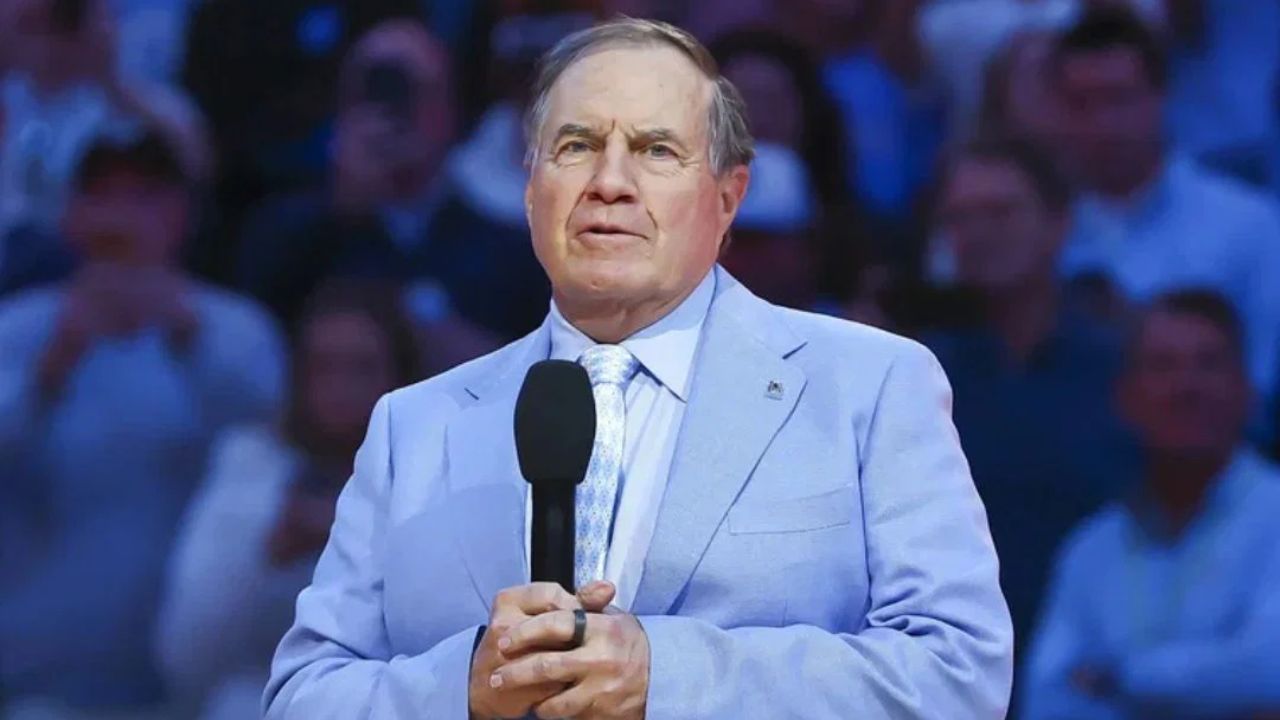
Bill Belichick’s Tar Heels were supposed to get embarrassed by Notre Dame. As 21-point underdogs, UNC had no business making this a game, yet the Tar Heels somehow dragged the Fighting Irish into a fight before letting the upset slip away. Billy Edwards had his chances to change the ending, but two costly interceptions helped Notre Dame seize control. Still, Belichick had no interest in throwing his quarterback under the bus.
Watch What’s Trending Now!
“You know, Billy put the ball on. I thought he, you know, threw the ball well a couple times. We weren’t able to give enough time but, you know, we mixed in some shorter passes, screen passes and end cuts and outside routes, and so I thought we had some balance in the passing game based on a coverage they were playing,” said Belichick when asked about the passing game.
Belichick went a step further, arguing that the problems were not solely on Edwards. He pointed to route execution, protection and the way Notre Dame’s coverage disrupted what UNC was trying to do. “If we get congested together because we don’t run the route right or get jammed or, you know, sometimes they have a defense that sort of isn’t particularly friendly to that type of pattern, and it’s kind of tough on the quarterback, and sometimes it’s tight fits,” said Belichick.
That explanation made sense when looking at how the game unfolded. UNC’s passing attack showed flashes, but the mistakes came at the worst possible moments. The Tar Heels opened with a 74-yard touchdown drive, with Edwards finding Shamar Easter for a seven-yard score. Jordan Shipp fueled the possession with two catches for 57 yards, including a 44-yard reception.
Everything was going well for UNC until Notre Dame tied the game. Edwards threw an interception on the Tar Heels’ next offensive play after Boubacar Traore hit him as he released the ball. Notre Dame took over at the UNC 12-yard line and scored a touchdown on the very next play.
Then came another blow. On the ensuing possession, Notre Dame safety Luke Talich intercepted a deep pass from Edwards down the left sideline. The Fighting Irish capitalized again, eventually stretching the lead to 21-7 and putting UNC under serious pressure.
Belichick’s point was reflected in the numbers. Notre Dame limited UNC to 208 passing yards and just 77 on the ground, while dominating possession for 37:04 and running 74 plays to the Tar Heels’ 51.
Edwards briefly found his rhythm just before halftime, completing 7-of-8 passes for 77 yards on a 97-yard touchdown drive. However, UNC managed just 97 yards in the second half as Notre Dame regained control. Edwards later found Jelani Thurman again, but the score came too late, with the Irish already leading 37-20.
At the end of the game, Edwards completed 17 of 28 passes for 208 yards, three touchdowns and two interceptions. Meanwhile, Jordan Shipp caught seven passes for 109 yards, while Jelani Thurman caught five passes for 50 yards and two touchdowns.
And this was not the first time Edwards had struggled to keep UNC’s offense moving after a promising start. Against Clemson, the Tar Heels were up 17-3 midway through the second quarter before the passing game stalled. Edwards completed just 6 of 15 passes for 52 yards after halftime, while UNC converted only one of seven third downs and failed to produce a passing play of 15-plus yards. Against Notre Dame, the warning signs appeared again, only this time his two interceptions gave the Irish the opening they needed to take control much earlier.
UNC came much closer to the upset than most expected, but the same offensive inconsistency that hurt them against Clemson surfaced again. Now sitting at 2-2, the Tar Heels need to fix that problem before it starts defining their season.