Imago
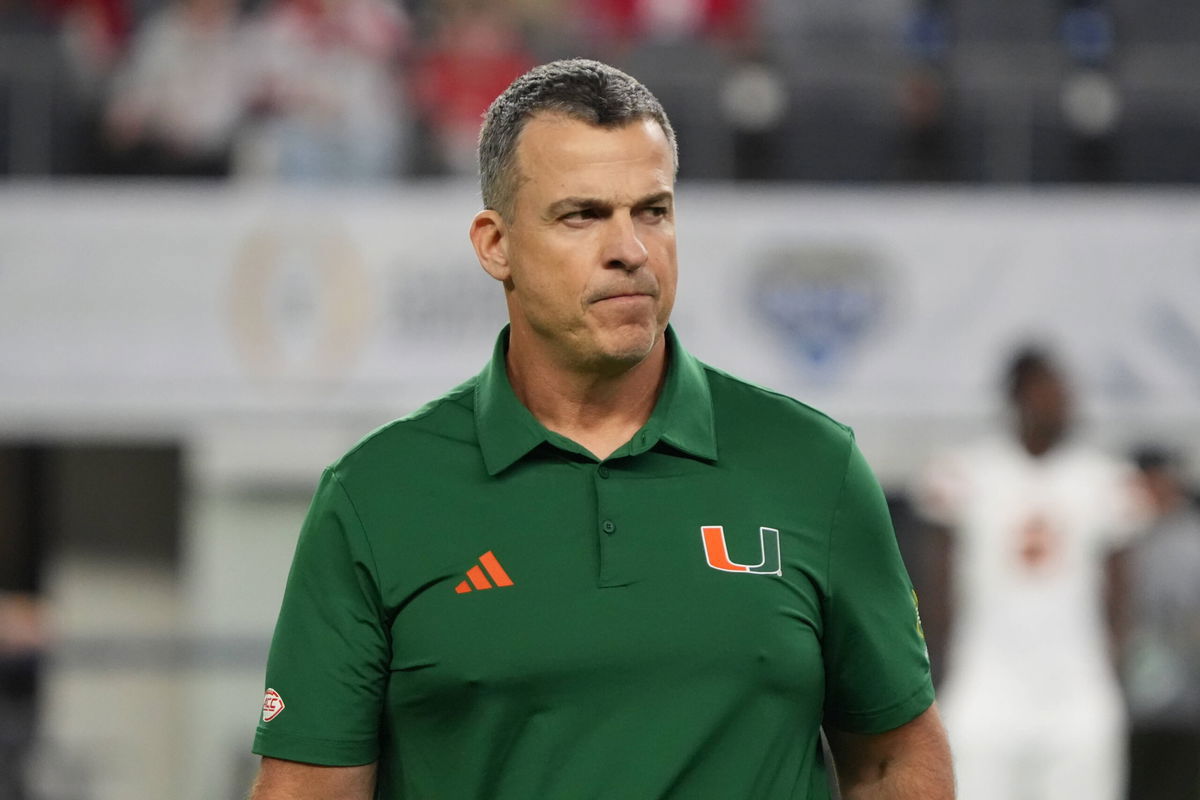
NCAA, College League, USA Football: Cotton Bowl-Miami at Ohio State Dec 31, 2025 Arlington, TX, USA Miami Hurricanes head coach Mario Cristobal looks on before the 2025 Cotton Bowl and quarterfinal game of the College Football Playoff against the Ohio State Buckeyes at AT&T Stadium. Arlington AT&T Stadium TX USA, EDITORIAL USE ONLY PUBLICATIONxINxGERxSUIxAUTxONLY Copyright: xRaymondxCarlinxIIIx 20251231_kdn_cb2_018
Imago
NCAA, College League, USA Football: Cotton Bowl-Miami at Ohio State Dec 31, 2025 Arlington, TX, USA Miami Hurricanes head coach Mario Cristobal looks on before the 2025 Cotton Bowl and quarterfinal game of the College Football Playoff against the Ohio State Buckeyes at AT&T Stadium. Arlington AT&T Stadium TX USA, EDITORIAL USE ONLY PUBLICATIONxINxGERxSUIxAUTxONLY Copyright: xRaymondxCarlinxIIIx 20251231_kdn_cb2_018
Head coach Mario Cristobal has Miami right where few thought they would be–in the College Football Playoff semifinals, fresh off two stunning upset victories over the Aggies and Ohio State. What began as an unlikely postseason run now has the potential to become historic if the Hurricanes defeat Ole Miss in the semifinal matchup at State Farm Stadium.
Watch What’s Trending Now!
While fans are more focused on Cristobal and centered on his coaching record, tactical approach, and leadership style, they have also grown increasingly curious about his personal background. Let’s take a closer look at Cristobal’s roots, his upbringing, cultural heritage, and early influences that helped shape the coach leading Miami’s remarkable CFP journey today.
Where is Mario Cristobal from and what is his nationality?
Mario Cristobal was born on September 24, 1970, in Miami, Florida, United States – a city known for its strong Cuban-American presence. By birth, Cristobal holds American nationality.
The Hurricanes coach attended Columbus High School in Miami, where he developed into a standout offensive tackle. He further progressed in the sport and went on to play college football at the University of Miami. He became part of the Hurricanes’ teams of the late 1980s and early 1990s.
What is Mario Cristobal’s ethnicity?
Mario Cristobal is of Cuban ethnicity, with both sides of his family tracing their roots to Cuba. A first-generation American, he was born to parents who emigrated from Cuba to the United States in search of stability and opportunity, eventually settling in Miami, where a large Cuban community had already taken shape.
Growing up in South Florida, Cristobal was raised by his parents, Clara Cristobal and Luis Cristobal Sr., who defected from Castro’s Cuba and brought their two sons with them. That immigrant experience played a significant role in shaping Cristobal’s values, work ethic, and identity from an early age.
His father, Luis Cristobal Sr., was known for instilling strong principles and a demanding mindset at home, while his mother played a central role in maintaining cultural traditions.
Is Mario Cristobal Cuban and what is his religion?
Mario Cristobal is American by nationality, but he is Cuban by ethnicity and heritage. Born in the United States, he is very much an American citizen, which makes his nationality American. However, both of his parents are Cuban immigrants, and his family roots are tied to Cuba.
While he keeps his religious beliefs largely private, Cristobal is widely believed to practice Christianity, specifically Catholicism, which is common among Cuban-American families. However, occasional references to faith, discipline, and values suggest a traditional upbringing rooted in Christian principles.
His story resonates strongly within Miami’s Cuban-American community, where he is often seen as a symbol of second-generation success. So while Cristobal is American by passport and profession, culturally and ethnically, his Cuban roots remain a defining part of who he is.
With Miami reaching the semifinal, Mario Cristobal now has a chance to make history and end the program’s 25-year national championship drought. The Miami Hurricanes last won the national title in 2001, and the program has struggled to maintain that elite standard since the mid-2000s. Since 2004, Miami has rarely sustained long-term success, with limited top-10 finishes and only three seasons of at least 10 wins.
GAME DAY! 🙌
🙌: @Fiesta_Bowl
🆚: Ole Miss
📍: Glendale, AZ
⏰: 7:30 PM ET
📺: @espn
📻: @1043wqam #GoCanes | @CFBPlayoff pic.twitter.com/7M0ZirGoAm— Miami Hurricanes Football (@CanesFootball) January 8, 2026
That detail makes the current CFP run even more significant for him. If the Hurricanes can defeat the Rebels in the Fiesta Bowl, a team adjusting to life without Lane Kiffin, they would advance to the national championship game. From there, Miami would face the winner of the matchup between Indiana and Oregon.
For Miami fans who have waited decades for a true return to prominence, this stretch represents more than just a deep playoff run. A championship appearance, or even a title, would allow the fans to finally say the program is back among college football’s elite.
Related Newsletters