
Lane Kiffin did not need to motivate LSU to beat Clemson. The Tigers were already up 31-3 at halftime. Yet Kiffin still had something to say. The LSU coach reportedly used the situation around his program as fuel, telling his players that the rest of the country hated them and challenging them to keep attacking Clemson.
Watch What’s Trending Now!
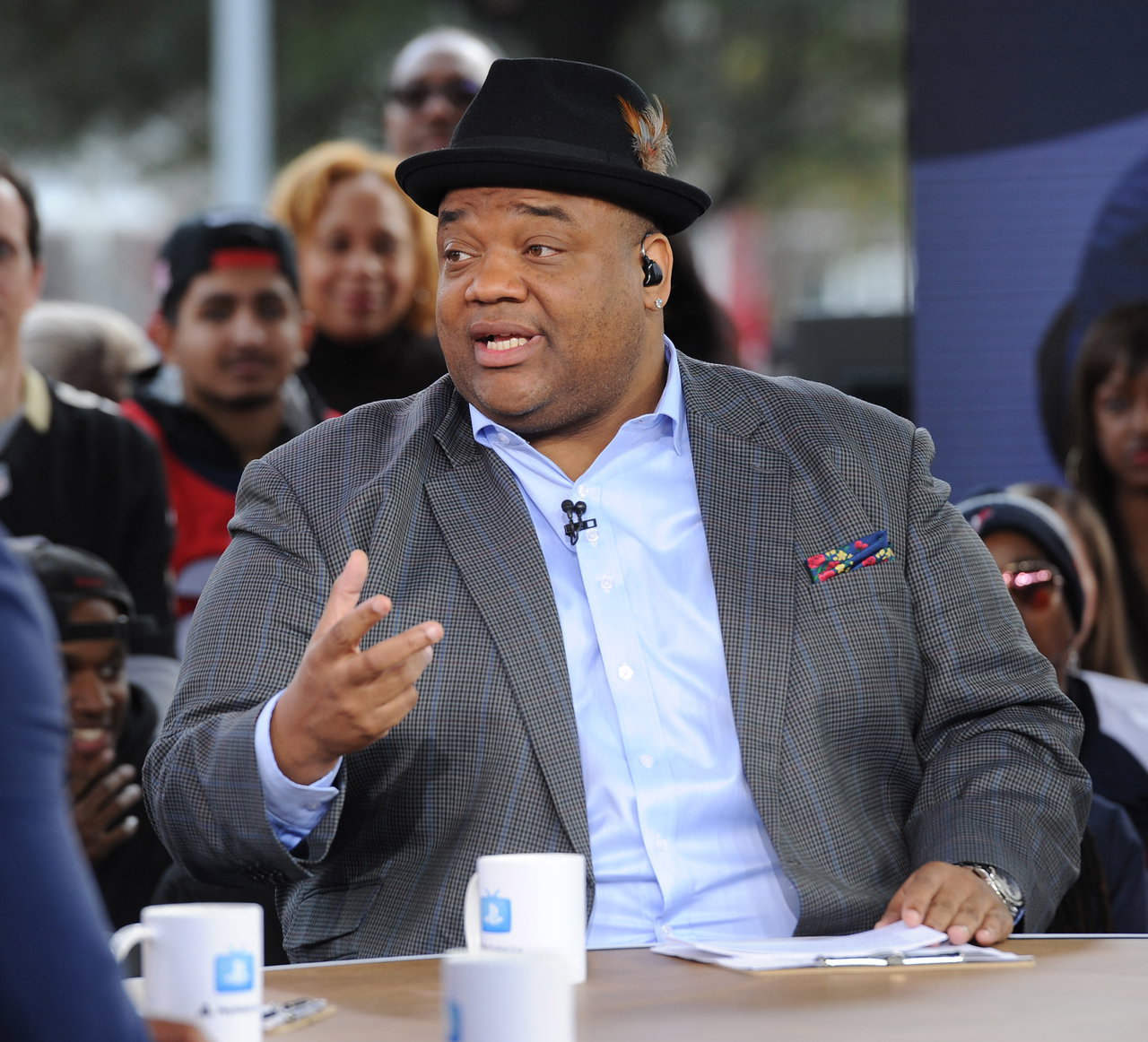
The speech quickly spread online and added another layer to Kiffin’s already growing villain persona. Prominent sportscaster Jason Whitlock has an interesting comparison for Kiffin.
“Lane is leaning into the villain role. This is White Deion Sanders,” Jason Whitlock said on his podcast on September 8. “If you’re offended by that, you don’t know what goes on in college football locker rooms. And I do know what goes on in football locker rooms. And I am offended by that. I don’t think it’s necessary. I don’t think it’s proper leadership.”
LSU started the season with plenty of attention already on the program. Much of it centered on Lane Kiffin and the dispute over former NFL players coming back to his program. The SEC took LSU to court over the issue. Things got even more serious this week.
The SEC scheduled a meeting to consider whether LSU should be kicked out of the conference. According to the league, LSU broke conference rules, and the situation has also raised concerns about whether the school has maintained proper control over the program. Kiffin’s team, however, put all of that noise aside when Clemson arrived.
The Tigers produced 644 yards of offense and 38 first downs, while Clemson managed only 145 yards. It became the worst loss (in terms of margin) in Dabo Swinney’s 19-season tenure at Clemson.
QB Sam Leavitt finished with 113 rushing yards and two rushing touchdowns. Running back Dilin Jones also helped LSU establish control on the ground, giving the Tigers two 100-yard rushers in the same game.
When Kiffin delivered the message at halftime, LSU was not responding to a crisis. Kiffin wanted his players to keep attacking and use the hostility surrounding LSU as motivation. Whitlock sees that as unnecessary.
“I played on a high school football team that was ranked number nine in the country. Played in college football, where my senior year we made it all the way up to, I think, 28th in the country,” Whitlock said further in the podcast. “There were no speeches like that at halftime. Again, we didn’t have Lane Kiffin’s talent or whatever. I get that some coaches do coach that way, but most of them do not.”
The comparison is rooted in the fact that Colorado’s Deion Sanders has also used similar ways to fuel his locker room. One of the clearest examples came before Colorado’s 2023 upset of TCU. Sanders did not tell his players to worry about TCU’s reputation. He told them to stop worrying about everybody else.
“This has nothing to do with TCU,” Sanders told his team.
He then pointed toward the “naysayers,” “unbelievers,” “haters,” and “doubters” before bringing the message back to his players. “This is about us.” That was Coach Prime’s formula. Take the noise. Make the players feel it. Just like magic, it worked for Sanders.
Colorado went into that game as a major underdog after going 1-11 the previous season. TCU had played for the national championship months earlier. Sanders’ Buffaloes walked into Fort Worth and won 45-42.
There was a practical reason for that, too, for Sanders to embrace that approach. It helped him create history in 2024, finishing with a 9-4 record, and now it has delivered him a win in Week 1 against Georgia Tech.
Sanders inherited a program that had very little national belief behind it. Turning the team against the outside world gave his players something they could rally around.
Kiffin has been doing something similar, but his version is more confrontational. In truth, that has been part of his personality since his early days as a head coach.
At Tennessee, Kiffin was only about to turn 34 when he took over in 2009. He immediately became one of the most talked-about coaches in the country, and not always because of what happened on the field.
His comments about Florida, Urban Meyer, and recruiting created headlines almost from the moment he arrived. Then, many years later, Kiffin arrived in Tuscaloosa as OC and stuck to his personality.
Kiffin became offensive coordinator for the Crimson Tide in 2014 and helped build one of the country’s most explosive offenses. He also became known for his sense of humor, his willingness to say things other coaches might keep private, and the “Joey Freshwater” persona that followed him around Tuscaloosa.
His relationship with Saban eventually deteriorated, and Alabama removed him from his offensive coordinator position shortly before the 2017 national championship game.
In all, what Kiffin is doing at LSU isn’t something new. He is staying true to how he always has been. But it has certainly been noticed by Whitlock.