
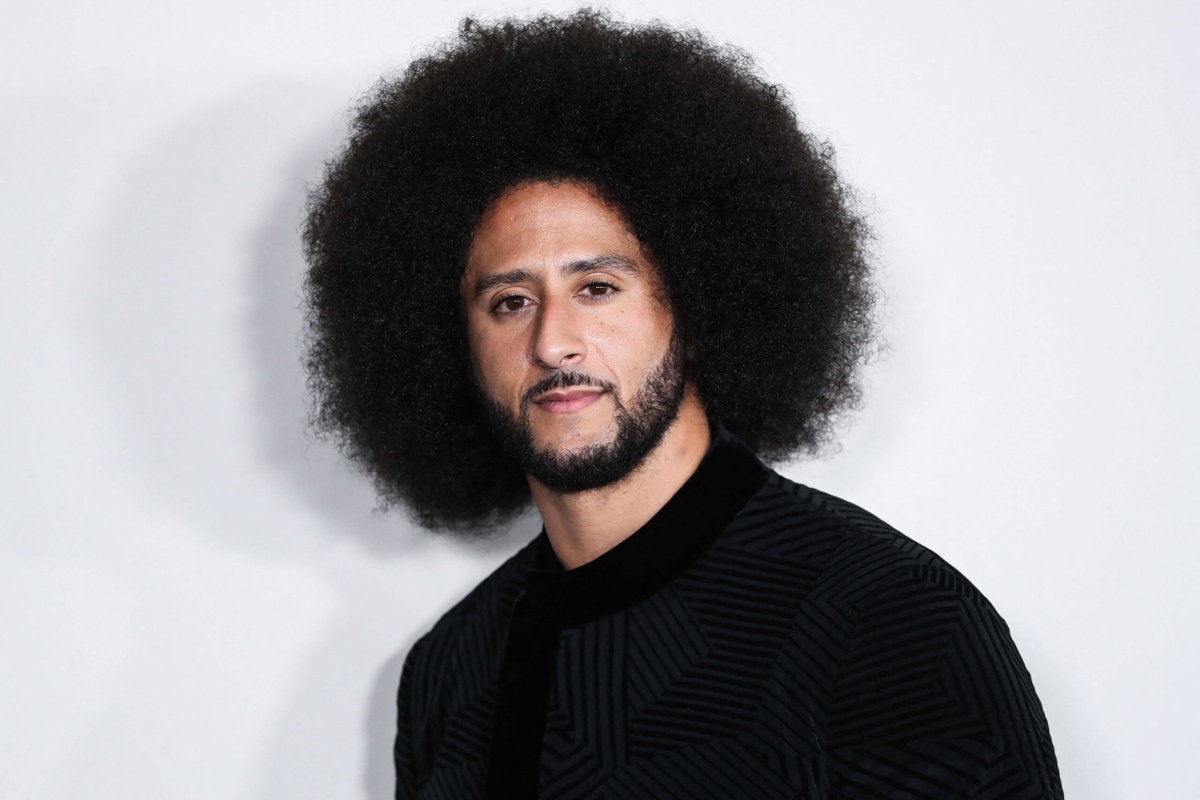
For a brief moment in 2019, it looked like Colin Kaepernick might finally get the NFL opportunity he had been waiting for. The league arranged a workout in Atlanta and invited all 32 teams, with Kaepernick saying he had been “ready for this for 3 years.” But hours before the session, disagreements over the liability waiver and the league’s control of the workout’s video and media access led Kaepernick’s camp to move it to a nearby high school, turning the much-anticipated audition into another contentious chapter in his relationship with the NFL.
Watch What’s Trending Now!
The moment was especially striking because Kaepernick had already spent two seasons outside the NFL after leaving the San Francisco 49ers in 2017. He would eventually settle his collusion grievance with the league alongside Eric Reid in 2019, yet no team signed him. Even a 2022 workout with the Las Vegas Raiders failed to produce an NFL return. Now, on the 10th anniversary of the protest that changed the trajectory of his career, Kaepernick is speaking candidly about where that relationship stands today.
“I’m not gonna support an organization that one, is actively blackballing me, but two, has targeted my brothers who have been protesting as part of this as well,” Kaepernick said in an interview with NBC News. “I watch college football.”
Colin Kaepernick’s protest spanned across five months during the 2016 season. At the time, he was already five seasons into his NFL career with over 10,000 passing yards and 50 touchdowns under his name.
When the time came to take a stand against alleged oppression and discrimination against Black people, Kaepernick used his position to draw attention to the matter.
On August 14, 2016, during the first preseason game against the Houston Texans, Kaepernick began his protest by sitting on the 49ers’ bench while The Star-Spangled Banner was played. However, the actual media attention came during the third preseason game against the Green Bay Packers.
When Kaepernick sat out once again, reporter Jennifer Lee Chan snapped a picture that went viral. After the game, Kaepernick officially explained his stance.
“I am not going to stand up to show pride in a flag for a country that oppresses black people and people of color,” Kaepernick said. “To me, this is bigger than football, and it would be selfish on my part to look the other way. There are bodies in the street and people getting paid leave and getting away with m*rder.”
In the immediate aftermath of his statement, Colin Kaepernick was swarmed with public backlash. That is when former NFL player (Seahawks 2015) Nate Boyer met Kaepernick and reportedly convinced him that taking a knee is a more respectful alternative to sitting, drawing a parallel to how military personnel take a knee out of respect at a soldier’s grave.
Now, however, the former 49ers quarterback has confirmed that it was his former teammate, Eric Reid, who suggested the idea to kneel.
“I remember them nodding their heads and looking at each other,” said Boyer. “Maybe Eric did suggest that, and that’s kind of what that look was.”
On September 1, 2016 (Preseason Game 4 at the San Diego Chargers), Kaepernick took a knee for the very first time during the anthem, and even Reid joined him. And right after the game, Reid addressed the media and told the reporters that Boyer “agreed with” their idea to kneel.
From that game till January 1, 2017, when the former 49ers QB took his last knee during a Week 17 clash against the Seattle Seahawks, the protest continued.
But after the game, when San Francisco informed Kaepernick about the move to release him, he opted out of his contract and became a free agent.
However, no NFL team ever signed him, even though he tried to make a comeback in 2019 and 2022. Although Kaepernick blames the NFL for blackballing him, commissioner Roger Goodell cleared himself of the matter.
“It’s the same thing I said before, which is each team makes individual decisions about how they can improve their team. And if they see an opportunity to improve their team I think they do it. They evaluate players, they evaluate systems and coaches, and they all make those individuals decisions to try to improve their team,” Goodell said in 2017. “It’s certainly something that I could do but it’s not something I’ve thought about.”
A look into why Colin Kaepernick initiated his protest
The primary catalyst that drove Colin Kaepernick to protest was the December 2, 2015, police shooting of 26-year-old Mario Woods (a Black man) in San Francisco. Since the shooting happened right in the 49ers’ backyard, it deeply shook Kaepernick.
In a later interview with Paper magazine, Kaepernick even revealed that the “loss, pain, and anger” from the Woods shooting was the exact moment he and his partner, Nessa Diab, sat down to engineer a blueprint for their Know Your Rights Camp and brainstorm how to use his NFL platform to challenge the system.
But when Colin Kaepernick took on the role of a social justice activist, he received numerous honors for his protests. He was awarded the Muhammad Ali Center Humanitarian of the Year and the Amnesty International Ambassador of Conscience Award, which is the highest global honor from the world’s leading human rights organization. This recognition places him in a legacy alongside past recipients such as Nelson Mandela and Malala Yousafzai.
In 2018, Harvard University also awarded Kaepernick the W.E.B. Du Bois Medal, its highest honor in the field of African and African American studies, in recognition of his contributions to culture and civil rights advocacy. Additionally, he received the Robert F. Kennedy Human Rights Ripple of Hope Award for demonstrating an unwavering commitment to social change and challenging institutional injustice.
And on September 15, 2026, Colin Kaepernick’s memoir titled The Perilous Fight will be released, which will consist of Kaepernick’s unfiltered account of his football career, his personal awakening, and the severe professional fallout of his 2016 national anthem protests.