Alabama National Champion Pleads Guilty, Faces 7 Years in Prison After Impersonating Michael Penix Jr. & Others in $20M Scam

Add us on Google
Alabama National Champion Pleads Guilty, Faces 7 Years in Prison After Impersonating Michael Penix Jr. & Others in $20M Scam
Add us on Google
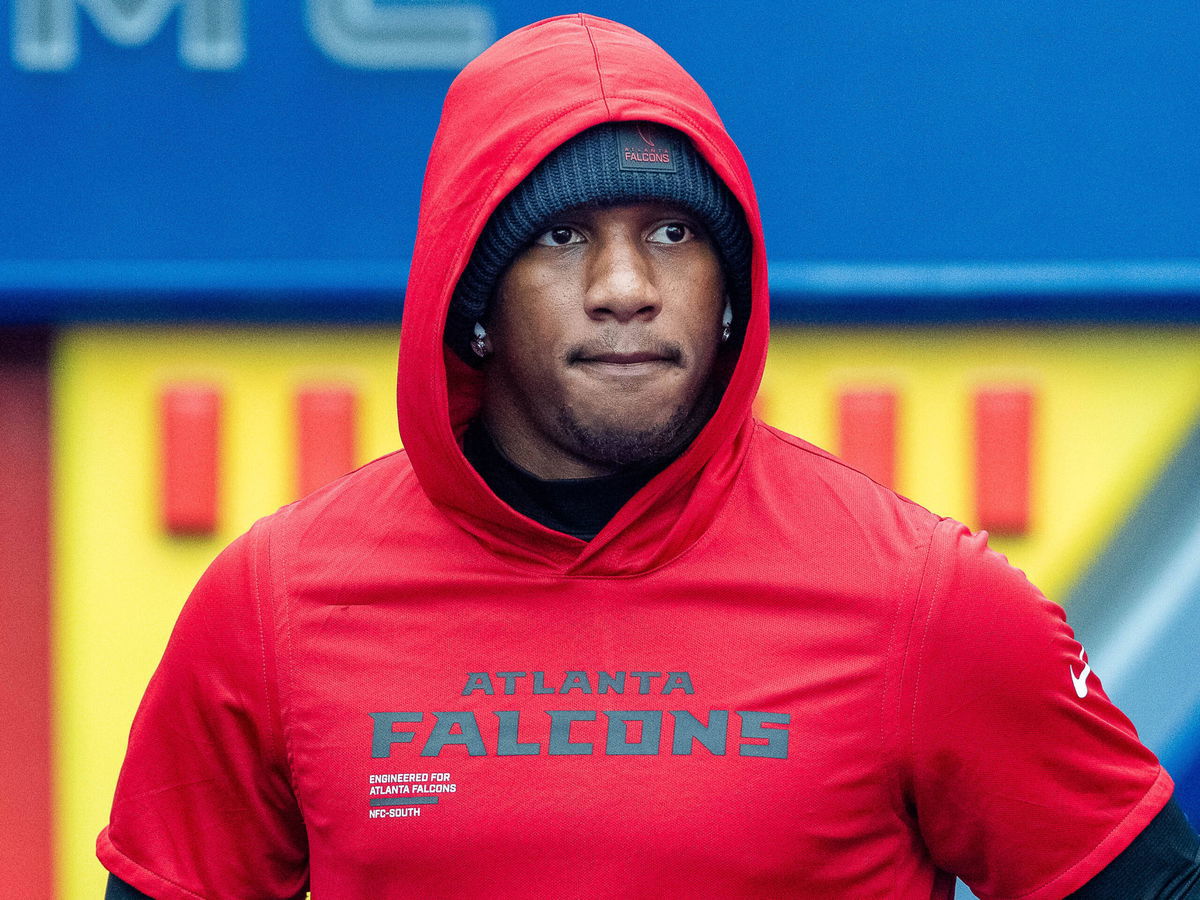
Imago
Michael Penix Jr. Atlanta Falcons 9, Indianapolis Colts vs. Atlanta Falcons, American Football, National Football League, Berlin Game 2025, Saison 2025, Spieltag 10, 09.11.2025, Indianapolis Colts vs. Atlanta Falcons, American Football, National Football League, Berlin Game 2025, Saison 2025, Spieltag 10, 09.11.2025 Berlin *** Michael Penix Jr Atlanta Falcons 9 , Indianapolis Colts vs Atlanta Falcons, American Football, National Football League, Berlin Game 2025, Season 2025, Matchday 10, 09 11 2025, Indianapolis Colts vs Atlanta Falcons, American Football, National Football League, Berlin Game 2025, Season 2025, Matchday 10, 09 11 2025 Berlin Copyright: xEibner-Pressefoto/FlorianxSchustx EP_FSU
Imago
Michael Penix Jr. Atlanta Falcons 9, Indianapolis Colts vs. Atlanta Falcons, American Football, National Football League, Berlin Game 2025, Saison 2025, Spieltag 10, 09.11.2025, Indianapolis Colts vs. Atlanta Falcons, American Football, National Football League, Berlin Game 2025, Saison 2025, Spieltag 10, 09.11.2025 Berlin *** Michael Penix Jr Atlanta Falcons 9 , Indianapolis Colts vs Atlanta Falcons, American Football, National Football League, Berlin Game 2025, Season 2025, Matchday 10, 09 11 2025, Indianapolis Colts vs Atlanta Falcons, American Football, National Football League, Berlin Game 2025, Season 2025, Matchday 10, 09 11 2025 Berlin Copyright: xEibner-Pressefoto/FlorianxSchustx EP_FSU
Once a national champion with the Crimson Tide in 2010, Luther Davis could now face up to seven years in prison for a fraudulent scheme. Davis played at Alabama from 2007 to 2010 and was part of Nick Saban’s first national championship team in Tuscaloosa, but he never appeared in an NFL regular-season game after his college career ended. Years later, prosecutors say he found another way into the league’s spotlight, one that brought him $20 million.
Watch What’s Trending Now!
The scheme, which prosecutors say ran from May 2023 through October 2024, relied on an unusually elaborate level of impersonation. According to federal officials, Davis and fellow defendant CJ Evins created bogus corporations, opened fraudulent bank and email accounts, and submitted fabricated financial statements to make lenders believe they were either representing NFL players or were the athletes themselves.
When lenders required borrowers to appear on camera to finalize loan agreements, Davis allegedly took the deception further by disguising himself during video closings. Prosecutors said he appeared in multiple calls posing as different players, at one point wearing makeup and a wig, another time using a wig alone, and on a separate occasion appearing with a do-rag-style head covering while signing documents in the athletes’ names.
“Using fake documents, bogus corporations, wigs, and makeup, Davis and Evins convinced lenders they were NFL players, obtained millions of dollars in fraudulent loans, and used the proceeds of their crimes to purchase real estate and luxury items,” U.S. Attorney Theodore S. Hertzberg said in a statement announcing the guilty pleas.
Investigators said the pair secured nearly $20 million through at least 13 fraudulent loans, with funds routed into accounts they controlled and later used to refinance existing balances and support purchases that included property, cars, watches and jewelry. Prosecutors also noted that fake driver’s licenses were created using publicly available player images to support the impersonations during the application process.
Luther Davis and CJ Evins pleaded guilty today to federal wire fraud and aggravated identity theft charges after they tricked lenders into providing nearly $20 million in loans by pretending to represent professional athletes. As part of their scheme, the pair posed as managers… pic.twitter.com/qIGPmiO2pr
— US Attorney NDGA (@NDGAnews) April 27, 2026
Among the lenders misled during the scheme were Aliya Sports Finance Fund and All Pro Capital Funding, along with brokerage firm Sure Sports, which negotiates financial arrangements for professional athletes. Aliya has since filed a civil lawsuit against Sure Sports in Florida, alleging the firm failed to properly verify the identities of the supposed borrowers before facilitating the transactions.
Authorities said the operation began drawing scrutiny after a players’ union security review discovered that legitimate NFL contracts had been used as collateral without authorization. That discovery ultimately led to a criminal complaint filed in March and the federal charges Davis and Evins admitted to this week.
Both men pleaded guilty in federal court in Atlanta to conspiracy to commit wire fraud and aggravated identity theft. U.S. District Judge Steven Grimberg scheduled sentencing for Evins on Aug. 4 and for Davis on Oct. 8. Each faces a maximum sentence of up to seven years in prison, though prosecutors have agreed to recommend lighter penalties as part of their plea agreements.
Assistant U.S. Attorney C. Brock Brockington told the court that the defendants initially targeted smaller lending opportunities before attempting to impersonate higher-profile players tied to larger contracts, increasing the scale of the fraud as the scheme progressed.
None of the athletes whose identities were used authorized the loans taken in their names. Reports later identified Atlanta Falcons quarterback Michael Penix Jr., Green Bay Packers safety Xavier McKinney, and former Cleveland Browns tight end David Njoku among those targeted during the operation.
The Justice Department confirmed the FBI’s investigation remains ongoing and did not rule out the possibility of additional charges or individuals being identified as the inquiry continues.
Years earlier, he had also been linked to an NCAA inquiry involving alleged improper relationships between agents and college players, though no criminal charges emerged from that matter at the time.
“Davis and Evins built an elaborate scheme on deception—impersonating professional athletes, fabricating credentials, and even disguising themselves to close the deal,” FBI Atlanta Special Agent in Charge Marlo Graham said. “Those who exploit others’ reputations for personal gain will be identified, investigated, and brought to justice.”
In a criminal filing, federal prosecutors revealed the exact timeline of Luther Davis’ scam:
Timeline of Luther Davis’s $20 million scam
“Beginning no later than in or around May 2023 and continuing through in or about October 2024, the defendant, Luther Davis, and CJ Evins executed a scheme to fraudulently obtain millions of dollars in loans from multiple lenders, including, but not limited to, Aliya Sports and All Pro Capital Funding, by impersonating professional football players and falsely claiming those players were seeking multi-million dollar loans.”
Davis and Evins reportedly launched their fraud scheme as early as May 2023. They registered companies with the Georgia Secretary of State using names closely resembling NFL players or their initials. After that, Davis and Evins built a paper trail with fake emails, bank accounts, and even fraudulent IDs to make everything appear legitimate. By the time lenders got involved, Davis and Evins’ setup looked convincing.
In 2024, when loan closings required video appearances, Davis further leaned into deception. Prosecutors revealed that Davis used disguises during video calls, posing as three different players – once with makeup and a wig, another time with just a wig, and later with a do-rag-style covering. It sounds almost unbelievable, yet the “Money Heist” worked.
Ultimately, Davis’ case exposes a vulnerability in modern lending. Davis understood that many financial transactions now happen remotely, often relying heavily on documentation and assumed credibility. So, Davis blended into that system and then exploited it. And for that, Davis and his associate will have to face time in prison.
Written by

Edited by

Kinjal Talreja