
Imago
Bilder des Tages – SPORT U.S. flag is displayed on the field during the national anthem before an NFL American Football Herren USA football game between the Chicago Bears and the Green Bay Packers at Soldier Field in Chicago on November 12, 2017. PUBLICATIONxINxGERxSUIxAUTxHUNxONLY CHI2017111201 KAMILxKRZACZYNSKI
Imago
Bilder des Tages – SPORT U.S. flag is displayed on the field during the national anthem before an NFL American Football Herren USA football game between the Chicago Bears and the Green Bay Packers at Soldier Field in Chicago on November 12, 2017. PUBLICATIONxINxGERxSUIxAUTxHUNxONLY CHI2017111201 KAMILxKRZACZYNSKI
Essentials Inside The Story
- Indiana lawmakers push to fund a multibillion-dollar stadium project
- Many residents are questioning who truly benefits
- The Bears' future home still awaits a final decision
Indiana lawmakers appear ready to fund the Chicago Bears’ new $3 billion stadium, but some taxpayers aren’t on the same page. After Hammond, Indiana, emerged as a potential site for the new project, state politicians tried to attract the franchise by amending Indiana State Bill 27 last month. But now, many residents are protesting the use of taxpayer money for a billion-dollar project, especially those in the area facing rising living costs.
Watch What’s Trending Now!
“Indiana politicians are willing to help pay for a new Bears stadium,” ProFootballTalk posted on X. “Some Indiana taxpayers aren’t happy about that.”
The Bears have been eyeing Hammond, Indiana, near Wolf Lake, as a potential site for their new stadium. The Indiana House paved the way by passing the amended Senate Bill 27 on February 24, 2026. It received approval from Indiana Governor Mike Braun within hours, leading to the formation of the Northwest Indiana Stadium Authority. The new body could issue bonds, acquire land, and finance the construction.
The bill authorized a 12% admissions tax on tickets, a 1% food and beverage tax in Lake and Porter counties, and a 5% increase on the hotel tax in Lake County. However, the Chicago Tribune reports that many residents in northwest Indiana don’t want to fund the project with their tax money. It’s because of rising utility costs in the Hammond area, with many questioning the need to use public money to support the franchise’s plan.
Indiana politicians are willing to help pay for a new Bears stadium. Some Indiana taxpayers aren’t happy about that. https://t.co/gp8XC38ucT


— ProFootballTalk (@ProFootballTalk) March 2, 2026
“A lot of blue-collar people in the area are struggling to get by,” WJOB-AM radio host Chuck Pullen said. “They’re asking, where’s our local and state government to help us? And why do the Bears get this special treatment?”
Moreover, the new law allows for toll road projects and the creation of a special taxing district to support the development. Americans for Prosperity Indiana, a libertarian advocacy group, was initially neutral about this development. But they also pushed back after knowing the tax burden on people. The group argued that the law puts taxpayers at financial risk while offering them limited benefits.
“Decades of economic research show stadium subsidies fail to generate net growth, and this proposal repeats the same mistakes — granting broad powers, open-ended liabilities, and special treatment for a private sports franchise at taxpayer expense,” it said, via NBC Sports. “We welcome the Bears and private investment coming to Indiana, but it should not be on the back of state and local taxpayers.”
Now, it rests on the lawmakers to decide whether the economic upside of attracting the Bears could outweigh the backlash. For now, the NFL franchise hasn’t finalized the deal with the state. Meanwhile, their other plan involving Illinois is also facing uncertainty.
The Bears face legislative delays in Illinois
On Thursday, the Illinois House Revenue and Finance Committee voted 13-7 to advance House Bill 910. The legislation would allow the Bears to lock in property taxes at their Arlington Heights site. The proposal would pause property assessments for large “megaprojects,” allowing developers to negotiate payments instead of taxes with local governments. It could have been a major step toward clearing the way for the Bears to build a stadium at their original choice.
However, the full Illinois House adjourned without discussing the bill and will not return until March 18. The delay could give Indiana lawmakers an advantage, especially if they clear their differences with the residents. Notably, the current bill in Illinois does not address how it will fund the public infrastructure for the new stadium. Lawmakers from both parties on the committee have voiced their doubts about the proposal’s functioning.
It suggests that there could be revisions. Meanwhile, the original bill required companies to invest at least $500 million to be eligible for incentives. But the state has lowered the requirements. Now, projects investing $250 million with 50 new jobs, or $100 million with 100 jobs, could qualify. Until last year, Arlington Heights was one of the most ideal sites for the Bears to build a world-class stadium.
Imago
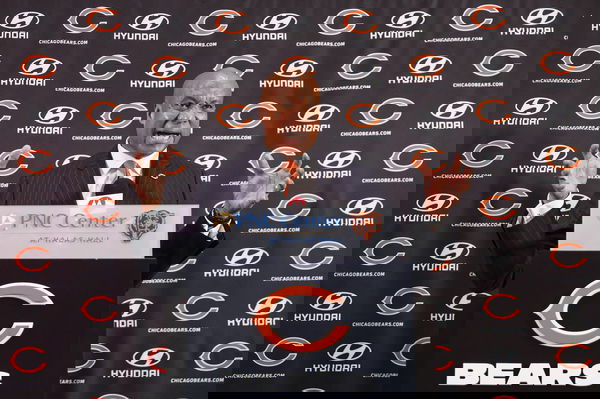
Sport Bilder des Tages NFL, American Football Herren, USA Chicago Bears press conference, PK, Pressekonferenz President & CEO Kevin Warren Introduction Jan 17, 2023 Chicago, Illinois, US New Chicago Bears President and CEO Kevin Warren speaks during the press conference at Halas Hall. Chicago Halas Hall Illinois US, EDITORIAL USE ONLY PUBLICATIONxINxGERxSUIxAUTxONLY Copyright: xKamilxKrzaczynskix 20230117_jcd_kb1_0008
The team was even ready to invest over $2 billion privately, but the differences with lawmakers derailed its original plan. Team president and CEO Kevin Warren said the project only required basic infrastructure upgrades and reasonable property tax terms. But momentum slowed amid limited legislative backing.
Moreover, the lawmakers told the Bears that they would not prioritize the project until 2026. With Indiana now giving Illinois tough competition, the future of the Bears’ next home remains uncertain.