
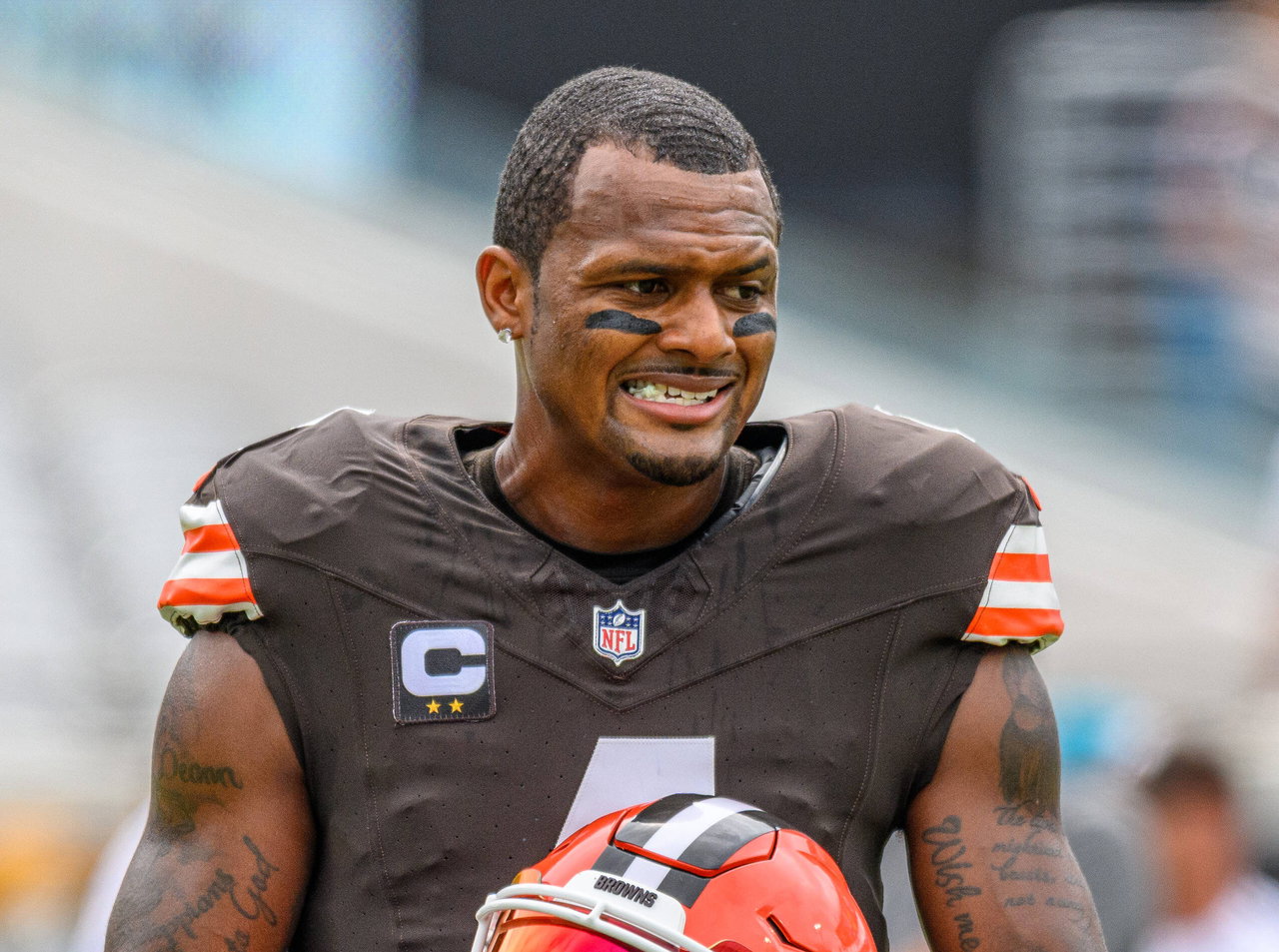
The Cleveland Browns’ offensive struggles have become increasingly difficult to ignore, particularly when it comes to protecting their quarterback. Their 27-6 defeat to the Pittsburgh Steelers in Week 8 exposed just how vulnerable the offense could become when opposing defenses consistently got into the backfield.
Watch What’s Trending Now!
The Browns surrendered eight sacks that afternoon, and head coach Todd Monken admitted afterward that the team needed to improve in several areas.
The problem has continued to affect the Browns’ season. Through nine games, the team had allowed 38 sacks, the highest total in the NFL, while converting just 34.2% of its third-down opportunities, ranking 29th. And former Browns quarterback Garrett Gilbert believes that is where the offense needs to start making changes. Gilbert explained why the team’s inability to avoid difficult third downs has made life harder for Deshaun Watson and the rest of the unit.
“It’s as simple as this: you’ve got to stay ahead of the chains. If you’re in third-and-nine, those pass rushers are pinning their ears back. They are going to get after the quarterback. So, being able to stay ahead of the chains, stay in third-and-manageables, so that the ball can come out, and you can realistically try to gain first downs is a huge advantage,” Gilbert said on the Big Play Cleveland show.
Gilbert’s explanation highlights a fundamental problem with the Browns’ offensive approach. When an offense repeatedly finds itself facing third-and-long, opposing defenses can anticipate passing plays and allow their pass rushers to attack aggressively. That leaves the quarterback with less time to find an open receiver and makes the offensive line’s job considerably more difficult.
Watson’s individual numbers reflect the pressure he has faced. Through eight appearances in the 2026 regular season, he has completed 163 of 249 passes for 1,806 yards, seven touchdowns, and three interceptions. He has also been sacked for a league-high 33 times. The team’s total of 38 sacks allowed through nine games further illustrates that the protection problems have affected the Browns beyond Watson’s individual appearances.
Monken has acknowledged that the responsibility cannot be placed entirely on the offensive line or the quarterback. Following the Steelers defeat, the Browns head coach pointed to protection, play-calling, execution, and Watson’s ability to get rid of the ball as areas that needed improvement.
“Scheming it, calling it, running it, staying ahead of the chains, and getting rid of the ball. But that’s just the way it is. I mean, it’s not one individual person. It’s a collective thing that we’ve got to continue to fight to get better at,” Monken said about Watson’s hesitation with the ball against the Steelers.
That assessment is particularly relevant with Watson back in the starting lineup for the Cleveland Browns’ Week 10 matchup against the Houston Texans. He was inactive for the Browns’ Week 9 game against the New Orleans Saints after entering concussion protocol on November 4. Watson cleared the protocol on November 7, and the Browns subsequently confirmed him as their starter against Houston.
The Texans entered Week 10 with 29 sacks, tied for the most in the NFL. Their pass rush presents a significant challenge for a Browns offense that has struggled to protect its quarterback. Houston’s Will Anderson Jr. also enters the matchup with 9.5 sacks, making him another threat Watson and the Browns’ offensive line must account for.
As the Week 10 matchup unfolds, Watson’s ability to make quicker decisions, get the ball out when opportunities are available, and avoid predictable passing situations remains central to the Browns’ offensive challenge. The team needs better protection, more consistent execution, and improved production on third down.