
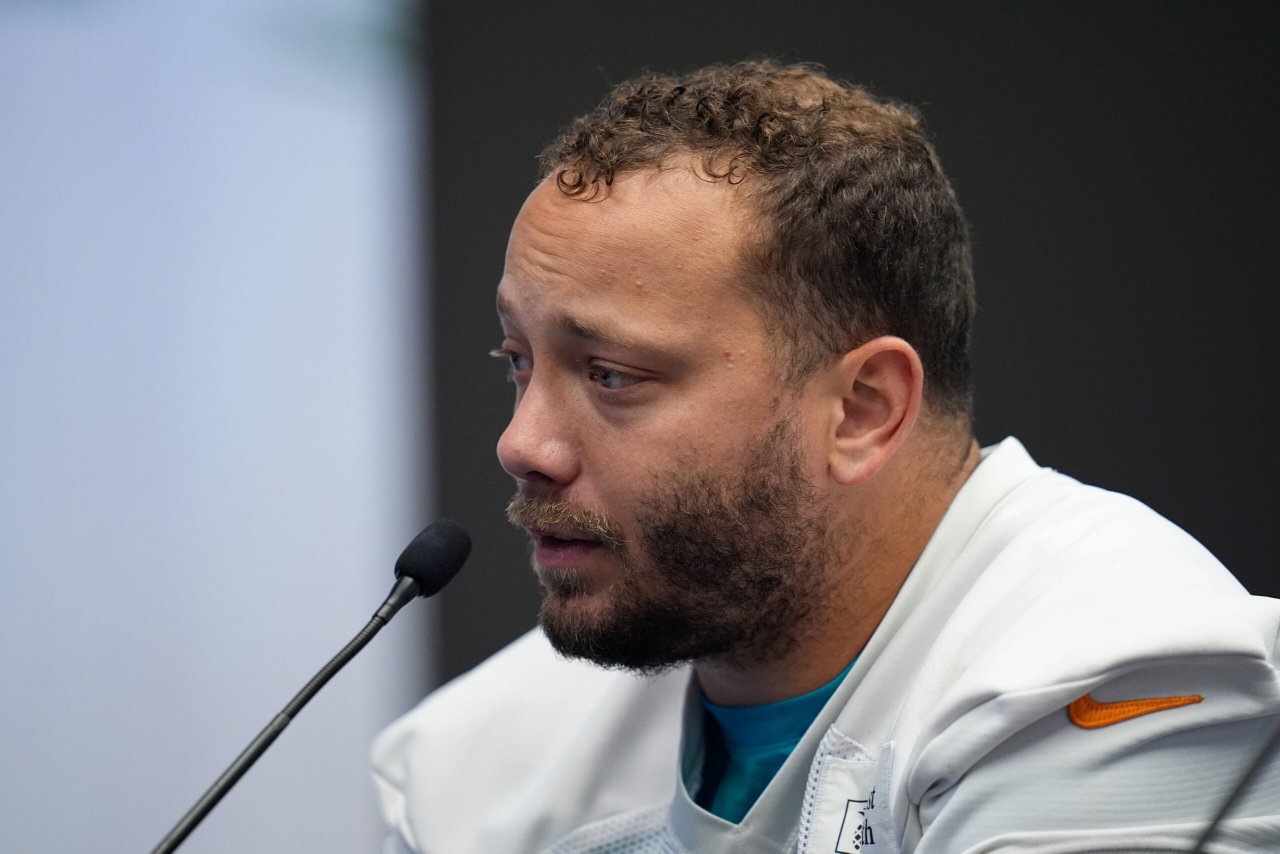
By 2023, having already spent 4 seasons in the NFL, Los Angeles Chargers fullback Alec Ingold has found a “mindset framework” for NFL locker rooms. He called it The 7 Crucibles, and even wrote a book about it that year. He was with the Miami Dolphins at the time – his second NFL team. Now entering his 8th NFL season with his third team, Ingold thought he had perfectly mapped out the kind of pressure football brings, but his first business manager, Tony Noel, flipped that perspective on its head.
Watch What’s Trending Now!
Alec Ingold wrote a heartfelt and deeply insightful piece for The Athletic’s ‘Peak’ newsletter, outlining how a major battle for health on Tony’s part changed everything for Ingold.
“It’s pretty easy to let your entire identity become tied to production in the NFL when facing this type of change – your body fat percentage, your film grade, your yards per carry. If you don’t perform, the machine moves on without you,” Ingold wrote. “I thought I understood the limits of that pressure. Then I hopped on a running series of morning phone calls with Tony Noel.”
It was Tony who looked at Ingold’s ‘Crucibles’, told him he was “thinking too small,” and connected that framework to the pressure corporate executives feel daily.
“Corporate America needs this more than the athletes do,” Noel told Ingold on one of their phone calls. “Executives don’t know how to endure adversity; they only know how to manage stress.”
Imago
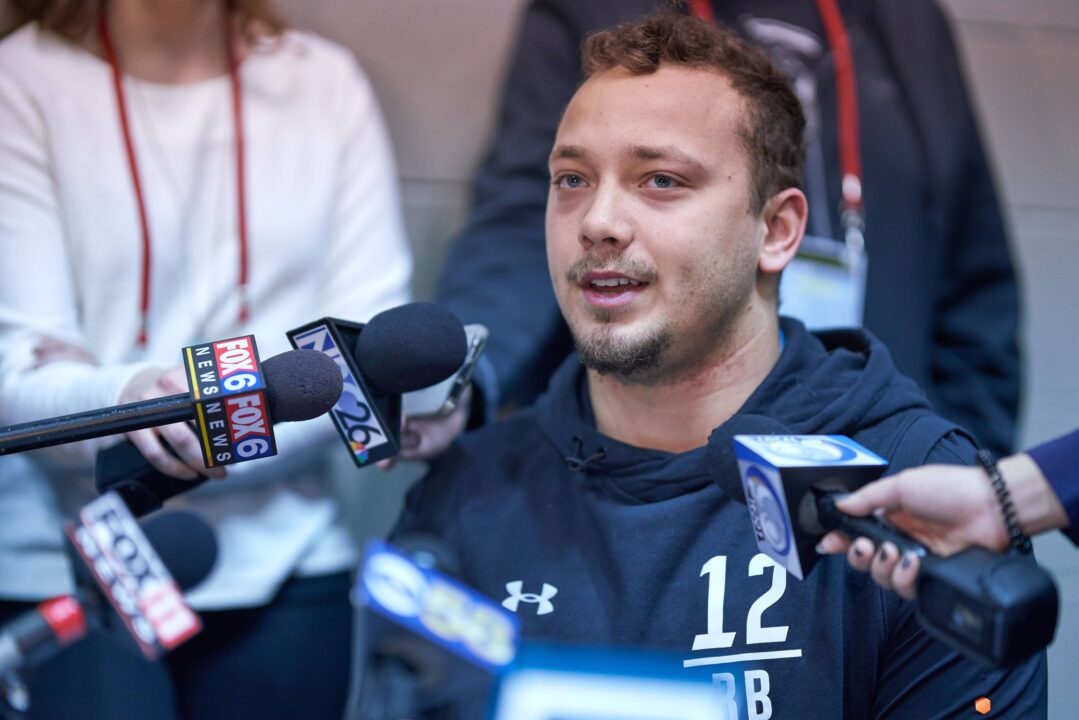
INDIANAPOLIS, IN – FEBRUARY 28: Wisconsin fullback Alec Ingold answers questions from the media during the NFL American Football Herren USA Scouting Combine on February 28, 2019 at the Indiana Convention Center in Indianapolis, IN. (Photo by Robin Alam/Icon Sportswire) NFL: FEB 28 Scouting Combine PUBLICATIONxINxGERxSUIxAUTxHUNxRUSxSWExNORxDENxONLY Icon164190228293
This inspired Ingold to collaborate with Noel “to scale those athletic principles into the corporate world.” But while their morning phone calls were building up to it, Noel got his stage III “potentially inoperable” liver cancer diagnosis, with doctors giving him half a year to two years of life expectancy.
“Every morning on my commute to ‘The Bolt,’ the Chargers’ training facility, Tony’s voice filled my car speakers,” Ingold continued. “On one end was an active athlete driving to practice; on the other was a veteran leader battling a terminal illness. Those introspective conversations – sometimes as short as 15 minutes, other times as long as 45 – reshaped my perspective.”
Ingold then outlined five revelations that those morning conversations instilled in him, “and how a man looking death in the face ultimately rejuvenated my mindset and my purpose on the field.”
Ingold titles the first lesson “The Marriott illusion,” where he challenges the misconception that one’s identity is somehow tied to production. Tony’s corporate career spanned three decades, throughout which he spent around “500 nights in Marriott hotels.” Tony’s wife, Angie, held down the fort back home while he was out chasing “performance plaques defining his identity as a corporate ‘star.’”
He’d spent more than 30 years becoming an integral cog in the corporate machine. But just like in football, the corporate world had already moved on when the diagnosis hit. It was then that Tony realized he’d missed crucial time with his family in search of those performance plaques, and they were now just decorations on the wall in the face of his illness.
“When injury or illness sidelines you, you are forced to confront a terrifying reality: Who am I when I am no longer on the team?” Ingold writes. “It’s a terrifying question, yes – but it is also the only point in life where you are finally free to define yourself by who you are, rather than what you produce.”
Imago
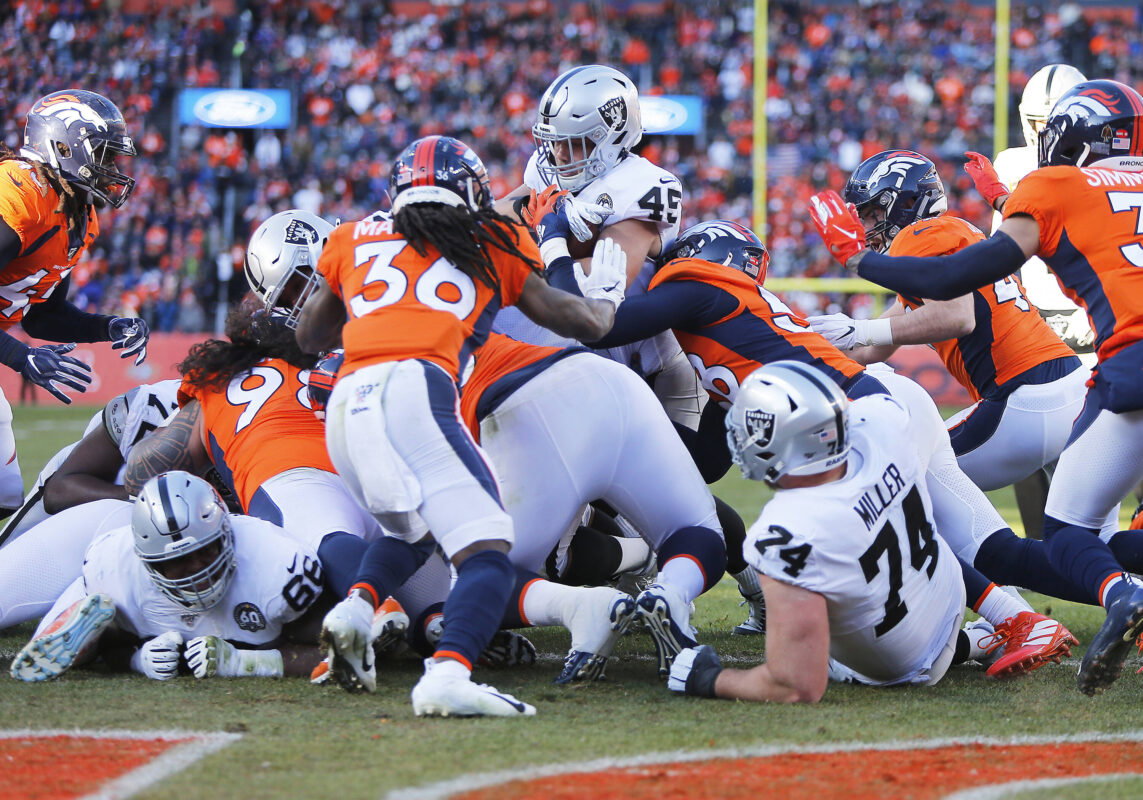
DENVER, CO – DECEMBER 29: The Denver Broncos defense makes the stop on a run attempt by Oakland Raiders Fullback Alec Ingold 45 at the goal line during a regular season game between the Denver Broncos and the visiting Oakland Raiders on December 29, 2019 at Empower Field at Mile High in DENVER, CO – DECEMBER 29: Photo by Russell Lansford/Icon Sportswire NFL, American Football Herren, USA DEC 29 Raiders at Broncos PUBLICATIONxINxGERxSUIxAUTxHUNxRUSxSWExNORxDENxONLY Icon191229059
We spend our lives trying to look at the big picture of where we want to be in the future. In the face of a terminal diagnosis, those priorities shifted for Tony. “You cannot control the long-term outcome. You cannot out-hustle cellular mutation.” This realization, drilled into Ingold by Tony, gave him the second lesson: ‘Trading the telescope for the microscope.”
Even in the face of his diagnosis, Ingold noted that Tony never gave up. He chose to focus on his body, his health, and his family. The long-term goals were suddenly irrelevant, and all that mattered was the next treatment, the next day, the next challenge.
“Tony didn’t surrender to his prognosis; he chose to compete,” Ingold noted. “He treated his oncologists as offensive coordinators designing an attack plan. He treated chemotherapy as his defensive line. He took ownership of his data, conducting his own medical ‘film study’ on every blood report and biopsy. More importantly, he found a victory that no championship ring could match: the quiet, steady peace of being fully present for the people who mattered most.”
The third lesson hit the hardest for Alec Ingold. People look up to locker room leaders and corporate giants for answers and guidance. Three decades of this routine had left Tony unable to ask for support. Instead of asking for help, Tony made a list of 10 people he needed to set straight before he lost his battle with cancer – a list of “boxes” that Tony needed to check before he could finally say, “Ok, I can die now,” per Ingold.
But the lesson, titled “the reversal of support,” came for Tony in the form of his old friend Mike. As Tony underwent a chemotherapy session, Mike drove across state lines and showed up unannounced for a silent show of support. The image of his friend showing up for him finally broke a dam inside Tony.
“‘I looked up and saw Mike standing there, and I just started bawling my eyes out,’ Tony whispered, the motion in his voice raw,” Ingold wrote. “For those few hours, the 10-person list evaporated. The strongest people aren’t the ones who carry the world alone; they’re the ones who realize their team is ready to help get the next first down.”
Imago
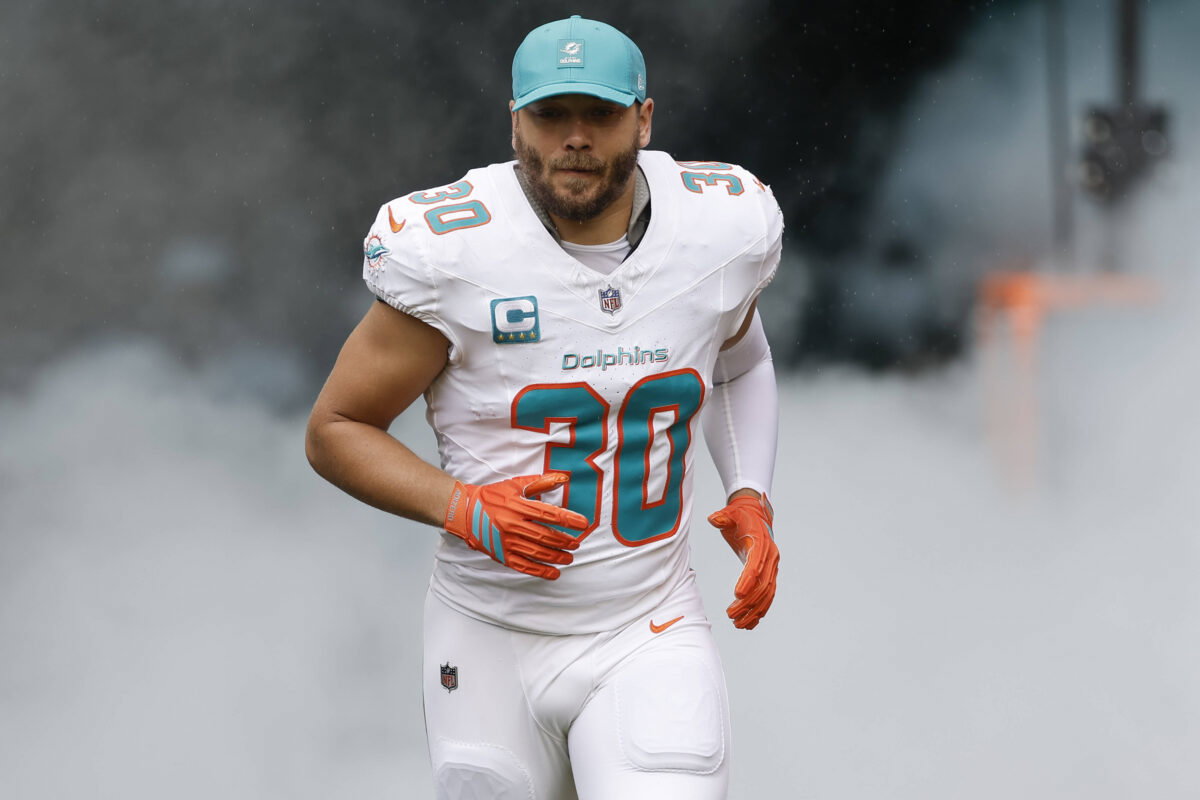
MIAMI GARDENS, FL – NOVEMBER 30: Miami Dolphins fullback Alec Ingold 30 before the game between the New Orleans Saints and the Miami Dolphins on November 30, 2025 at Hard Rock Stadium in Miami Gardens, Fl. Photo by David Rosenblum/Icon Sportswire NFL, American Football Herren, USA NOV 30 Saints at Dolphins EDITORIAL USE ONLY Icon251130520574
As a 16-year-old, Tony was just 4’8”, taking P.E. classes every day to help him grow so the other kids wouldn’t make fun of him. Alec Ingold discovered this while conversing with Tony’s mother, Lois, in an attempt to better understand his life. As it turned out, that stunted growth was actually because of an “unchecked battle with Crohn’s disease.” His mother took him to the Mayo Clinic, “begging doctors to find a way to help her son grow.”
“A team of clinicians performed an aggressive bowel resection surgery, removing the diseased tissue and unlocking a massive, delayed growth spurt that eventually shot him up to a commanding 6-1,” wrote Ingold as the fourth lesson titled ‘The full growth spurt.”
“Forty years later, Tony is walking through the exact same hallways of the Mayo Clinic, tracking cancer markers instead of growth plates. The parallel is unmistakable,” Ingold went on. “So, for me, was the lesson: We’re all better because of the adversity we endure, not in avoidance of it.”
Imago
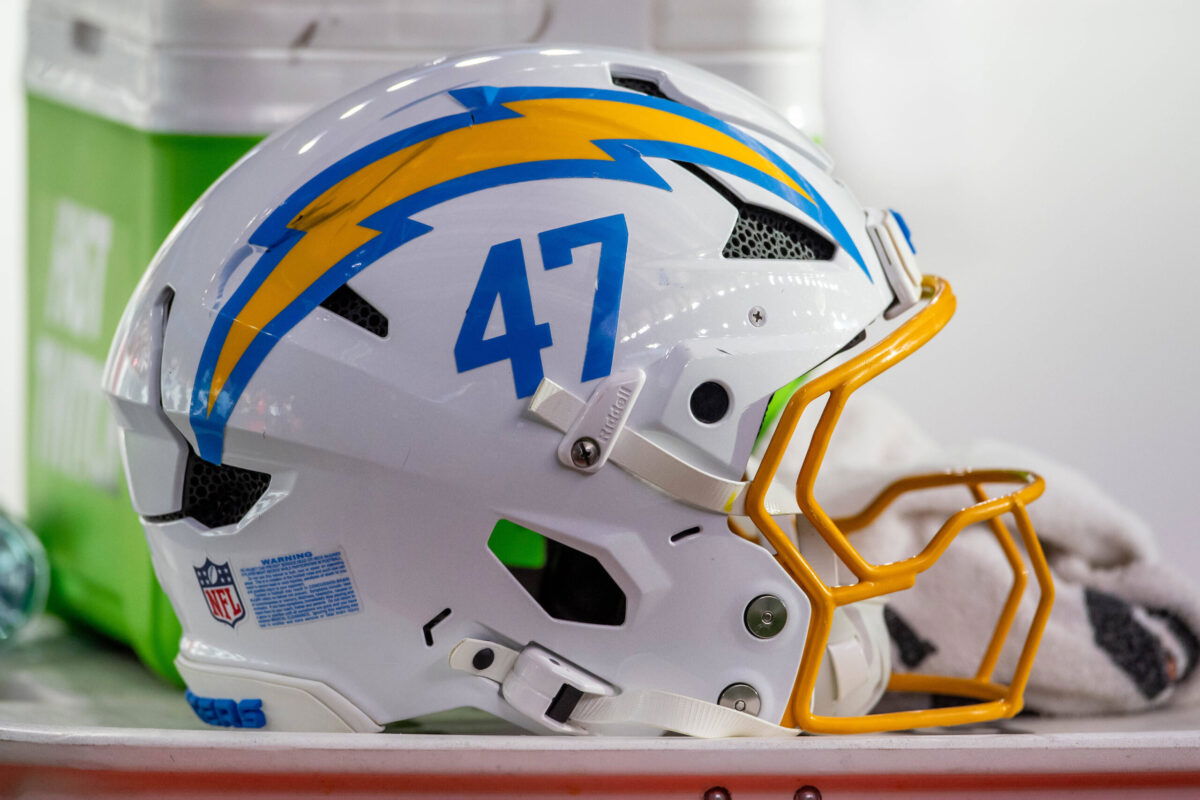
January 11, 2025: A Los Angeles Chargers helmet sits on the sideline during a playoff game between the Los Angeles Chargers and the Houston Texans in Houston, TX. .. /CSM Houston USA – ZUMAc04_ 20250111_faf_c04_046 Copyright: xTraskxSmithx
The final lesson, ‘Turning off the scoreboard, ’ links directly to Alec Ingold’s own quest for NFL stardom. Tony told Ingold that he doesn’t “measure wealth in money, titles, or quotas” anymore. For him, the biggest plaques now come from sharing peaceful moments with his family.
“As I prepare for another NFL season, I carry Tony’s microscope with me. The stadium lights will eventually fade, the playbook will change, and the machinery of sports will substitute my jersey number for someone else’s,” Ingold noted in closing. “But the character forged in the invisible fights? That’s the real victory. The scoreboard might turn off, but the life you build and the people you impact begin to mean everything.”
Alec Ingold has the 2026 season to prep for with a new team. He has another year left with the Chargers once this football season ends. But he is no longer looking at what lies beyond that contract; he’s not even looking at the end of the 2026 season. The conversations with Tony Noel have changed his outlook on life, and he now knows the biggest challenges – and rewards – lie outside the gridiron, when the lights go off.