
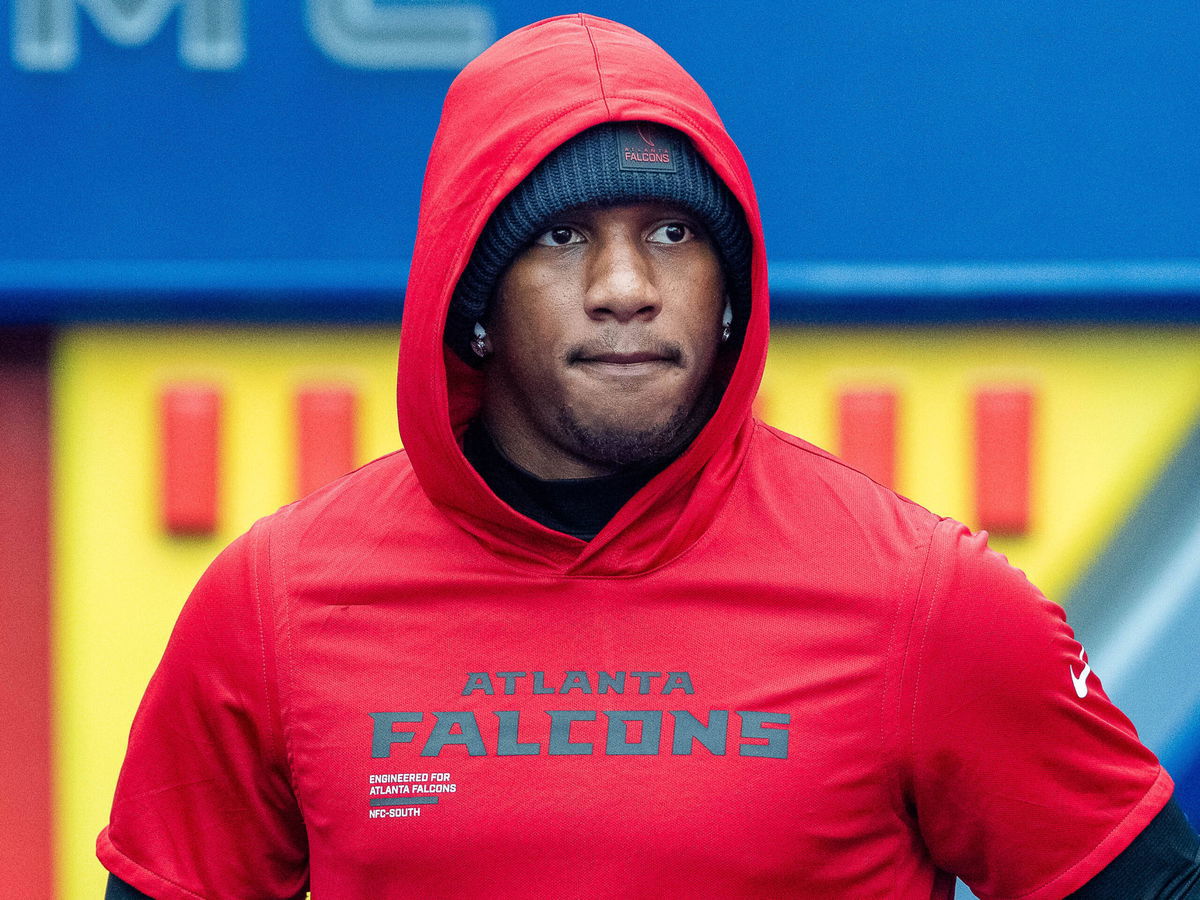
Atlanta Falcons quarterback Michael Penix Jr., Los Angeles Chargers tight end David Njoku, and Green Bay Packers cornerback Xavier McKinney found themselves tied to more than $19.8 million in loans they never requested or approved. Now, as federal prosecutors close in on the scheme, the story behind how two men allegedly pulled it off is finally beginning to surface.
Watch What’s Trending Now!
“A federal judge on Tuesday sentenced CJ Evins, one of two men who schemed to obtain nearly $20 million in fraudulent loans by impersonating NFL athletes, to 72 months in prison for conspiracy to commit wire fraud and aggravated identity theft, according to Evins’ attorney, Ben Alper,” ESPN’s Michael Rothstein reported.
Prosecutors say the scheme took shape on May 26, 2023, when Luther Davis and CJ Evins allegedly began obtaining loans by posing as NFL players. Over the course of that year, they are said to have leaned on fake identities, fabricated financial documents, and shell companies to keep the fraud moving.
By early 2024, the operation had grown more elaborate. On January 22, 2024, Davis allegedly appeared on a video call in disguise to impersonate David Njoku for a $4 million promissory note, and by April 1, 2024, he and Evins were reportedly in New York closing another loan while posing as Xavier McKinney.
The scheme continued into the summer. Prosecutors say Davis impersonated Michael Penix Jr. during a July 26, 2024 loan closing in Georgia, using a fake Florida license and a disguise to help pull it off. By October 25, 2024, authorities say the operation had ended, with 12 fraudulent loans and one refinanced loan totaling $19,845,000.
The fallout kept unfolding after that.
In February 2025, Aliya Sports Finance filed a related civil lawsuit against Sure Sports, and on March 19, 2026, a federal filing in Atlanta laid out the allegations more fully, identifying the players as M.P., D.N., and X.M. Federal charges were then unsealed in the Northern District of Georgia on April 15, 2026, bringing the case into public view.
Per Rothstein’s report, Evins dressed up in wigs and makeup to resemble NFL stars, and used fake driver’s licenses and e-mail accounts to commit the wire fraud. Evins had notably pleaded guilty back in April, receiving one less year of imprisonment than what’s normal per federal guidelines. Evins had asked for a plea deal, but will not serve time without parole.

Imago
NFL, American Football Herren, USA Atlanta Falcons Training Camp Jul 29, 2025 Atlanta, GA, USA Atlanta Falcons quarterback Michael Penix Jr. 9 passes the ball during practice at training camp at IBM Performance Field. Atlanta GA USA, EDITORIAL USE ONLY PUBLICATIONxINxGERxSUIxAUTxONLY Copyright: xDalexZaninex 20250729_dwz_sz2_0000025
“Mr. Evins accepts the court’s decision, takes full responsibility for his actions, and is deeply remorseful for his involvement in this case,” Ben Alper said in a statement.
Through court documents, Evins’ attorney noted that Evins worked as an intern to co-defendant Luther Davis, who is said to be “the mastermind and primary instigator” behind the wire fraud.
Additionally, as per Rothstein’s report, once Evins found out about the investigation, he tried to connect with the authorities and “agreed to cooperate with law enforcement as part of his plea agreement.” But the court wasn’t exactly swayed, as conveyed by U.S. Attorney Theodore S. Hertzberg in a statement to ESPN.
“Evins’ sentence, which must be served without the possibility of parole, sends a message to those who would consider impersonating someone, whether Pro or Joe, to perpetrate fraud: you will be prosecuted, and you will go to prison,” Hertzberg said.
Evins’ co-conspirator Luther Davis is also scheduled to face justice on October 29th as a Georgia federal court prepares to sentence him.
The federal court records and statements from investigators and prosecutors make clear that Penix Jr., Njoku, and McKinney had no role in the fraud and no knowledge of the scheme. They were victims of identity theft, not participants in the loans or the alleged deception.
When the civil lawsuits and federal charges became public, reporters sought comment from the players’ representatives, but the response was limited. Xavier McKinney’s agency, Athletes First, declined to comment, and the others also stayed quiet publicly as the case moved through the courts.
Now, as the wire fraud is behind them, Michael Penix Jr., David Njoku, and Xavier McKinney might want to keep a strict lookout on their credit score moving forward.