Imago
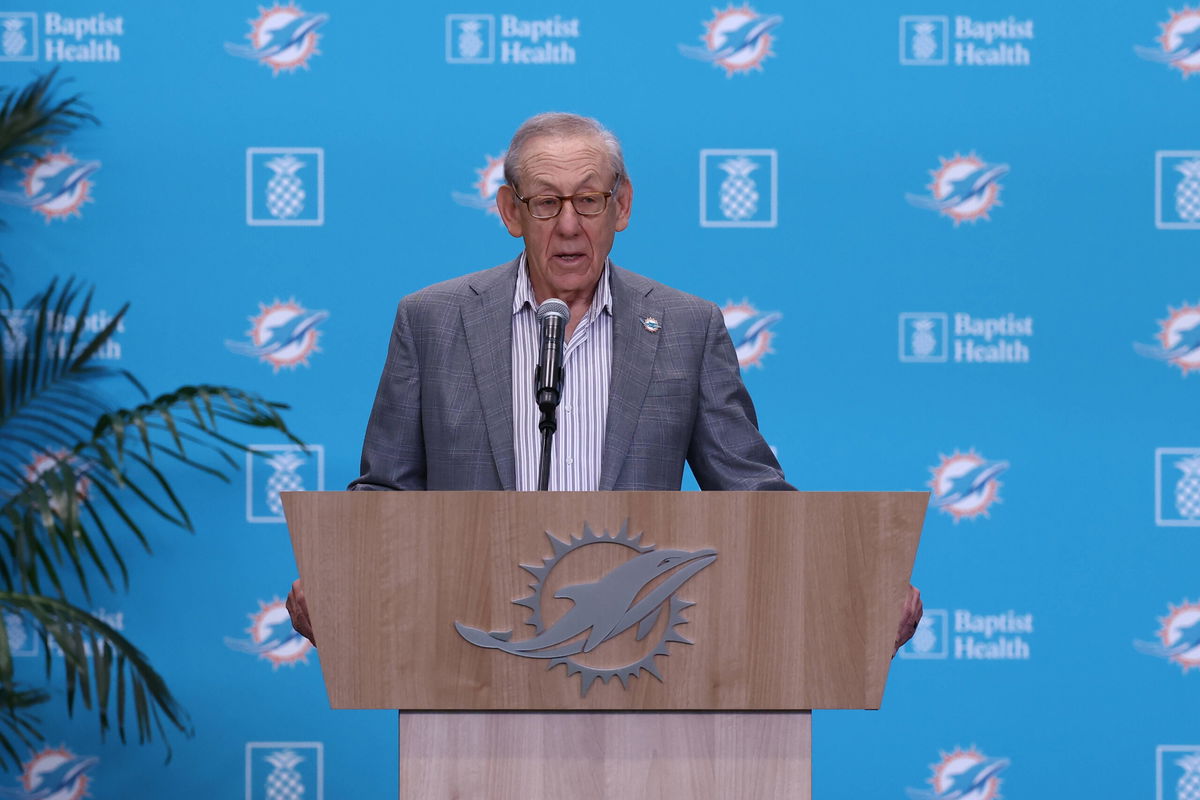
MIAMI GARDENS, FL – JANUARY 22: Miami Dolphins owner Stephen Ross talks to reports to introduce new Miami Dolphins general manager Jon-Eric Sullivan and new Miami Dolphins head coach Jeff Hafley during the Miami Dolphins press conference, PK, Pressekonferenz on Thursday, January 22, 2026 at Baptist Health Training Center in Miami Gardens, FL. Photo by Peter Joneleit/Icon Sportswire NFL, American Football Herren, USA JAN 22 Miami Dolphins Press Conference EDITORIAL USE ONLY Icon2601022006
Imago
MIAMI GARDENS, FL – JANUARY 22: Miami Dolphins owner Stephen Ross talks to reports to introduce new Miami Dolphins general manager Jon-Eric Sullivan and new Miami Dolphins head coach Jeff Hafley during the Miami Dolphins press conference, PK, Pressekonferenz on Thursday, January 22, 2026 at Baptist Health Training Center in Miami Gardens, FL. Photo by Peter Joneleit/Icon Sportswire NFL, American Football Herren, USA JAN 22 Miami Dolphins Press Conference EDITORIAL USE ONLY Icon2601022006
Essentials Inside The Story
- Stephen Ross claims F1 attendance vastly exceeds Dolphins season ticket sales.
- Stark revenue disparities highlight Miami's severe struggles with declining fan interest.
- Radical franchise rebuild triggers immense outrage over shocking offseason decisions.
Stephen M. Ross owns two of Miami’s biggest sporting attractions: the Miami Dolphins and the Formula 1 Miami Grand Prix. Both events draw massive crowds to Hard Rock Stadium. But while the Grand Prix keeps pulling fans in, the Dolphins have been bleeding them out. And what Ross recently admitted about the money behind both events only makes that contrast harder to ignore.


“I think you made more money on F1 than the Dolphins. Am I wrong?” CNBC’s Andrew Ross Sorkin asked Stephen Ross.
Watch What’s Trending Now!
“F1 has been great,” Ross replied. “We get more attendance for F1 races for three days than the entire season tickets that we sold.”
The 2025 F1 Miami Grand Prix drew 275,000 fans across its three-day weekend. Even though the Miami GP ranks as the least-attended race in the U.S. Grand Prix circuit, the event still generates 25% more in ticket revenue than all Miami Dolphins home games combined from the 2022 season.
That is a growing worry about the Dolphins’ game-day revenue. Tua Tagovailoa and the team missed the postseason for the second straight year. The last season was a brutal ride filled with turnovers, dropped drives, and fan frustration. And that has taken a toll on the fanbase.
CNBC’s Andrew Sorkin: Andrew Sorkin: “I think you made more money on F1 than the Dolphins. Am I wrong?”
Steve Ross: “F1 has been great … We get more attendance for F1 races for three days than the entire (Dolphins) season tickets that we sold.”
— Dave Hyde (@davehydesports) March 19, 2026
Many fans “checked out on this season, if not the franchise,” according to Omar Kelly of The Miami Herald. When renewal time came for the 2026 season, Ross and the organization chose to hold ticket prices at 2025 levels. Some seats actually dropped in price, and club seat season-ticket holders received a $250 food and beverage credit.
To be fair, the Grand Prix is a fundamentally different financial beast. It is a three-day spectacle, and its revenue goes well beyond what fills the grandstands. A major portion of the income comes from premium hospitality suites, sponsor activations, and luxury seating areas that the NFL regular season simply does not offer.
But the gap in financial performance is still a reflection of where the Dolphins stand right now. And where they stand right now is in a difficult place, one that Stephen Ross’s own decisions helped create.
The decisions Stephen Ross made that led Miami here
In 2024, there were serious talks about Stephen Ross selling a 13% stake in a package that included the Dolphins, the Miami Grand Prix, and Hard Rock Stadium. Ross sold a 13% minority stake in December 2024 to Ares Management and Joe Tsai. Despite receiving multiple offers for full control, including one as high as $15 billion, Ross decided to retain ownership and keep the assets within his family for future succession.
What came next was another season with the same general manager, Chris Grier, and head coach Mike McDaniel at the helm. The Dolphins finished 7-10 in the last season, missed the playoffs, and both Grier and McDaniel were fired shortly after.
The Dolphins’ ongoing rebuild has not only reshaped the roster — it has sparked visible outrage and frustration among the team’s fanbase. Reactions on social media exploded after Miami traded star wide receiver Jaylen Waddle to the Denver Broncos, with some fans openly criticizing the franchise’s direction and lamenting the loss of its top offensive weapons. One fan bluntly responded to the trade announcement, writing, “Love you Dan, but fudge you Dan, Miami is trash, this only makes their team worse, like all of their offseason moves…” as supporters wrestled with Miami’s transformation.
The franchise is now in a reset with new general manager Jon-Eric Sullivan and head coach Jeff Hafley leading the rebuild. The new front office has moved quickly. Tyreek Hill was released in February, and then came the bigger move: the Dolphins released Tua Tagovailoa.
Releasing Tagovailoa was a move that few saw coming, even if many understood why it was necessary. To move on from their former franchise quarterback, the Dolphins chose to absorb a staggering $99.2 million in dead cap space rather than keep him for another season. That is the price of starting over in the NFL, and it is a steep one.
Written by

Edited by

Shrabana Sengupta