

The 2026 FIFA World Cup did more than bring the world’s biggest soccer tournament to the United States. It also reignited one of the NFL’s longest-running player safety debates.
Watch What’s Trending Now!
To meet FIFA’s standards, NFL stadiums that normally use artificial turf temporarily replaced their playing surfaces with natural grass. The transformation proved what many NFL players have argued for years: those stadiums are capable of hosting professional football on grass.
Yet within days of the World Cup ending, the temporary fields were removed and the artificial surfaces returned in preparations for the 2026 NFL season. That decision frustrated players across the league and sparked another wave of calls for permanent natural grass fields.
FIFA showed it can be done
Imago
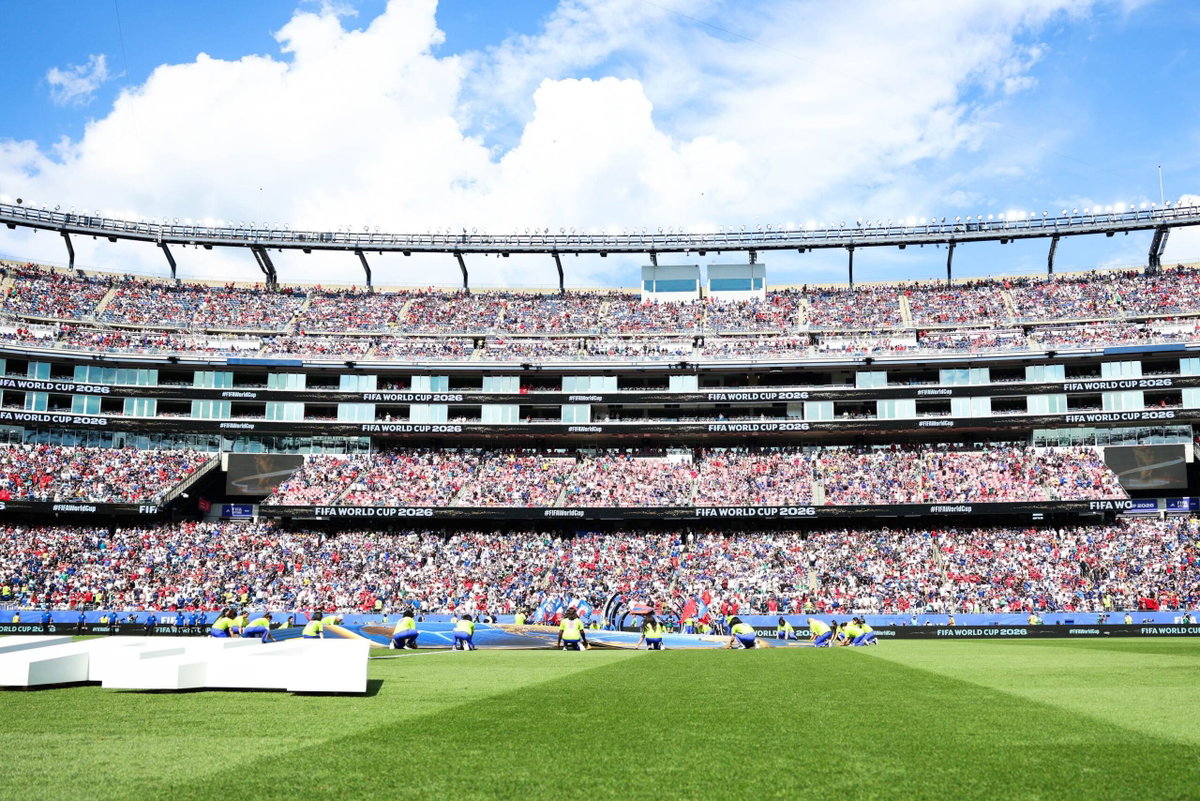
RECORD DATE NOT STATED FIFA World Cup, WM, Weltmeisterschaft, Fussball 2026 – Quarterfinals – France v Morocco General view inside the stadium during the FIFA World Cup quarterfinal match between France and Morocco, at Boston Stadium, in Foxborough, United States, on Thursday, July 09, 2026.Foto: William Volcov/Brazil Photo Press/IMAGO Sports Foxborough MA United States Copyright: xWILLIAMxVOLCOVx
The World Cup required every host venue to feature natural grass regardless of what surface NFL teams typically play on. Stadiums like MetLife, SoFi, NRG, AT&T and Gillette Stadium all underwent expensive field conversions before reverting to synthetic turf once the tournament ended.
For NFL players, that sequence only strengthened their argument.
If owners are willing to invest millions to satisfy FIFA’s requirements for a month-long tournament, many players question why the same commitment isn’t made for athletes who play in those stadiums every fall.
The NFL Players Association has raised that message through its “#WorthTheCost” campaign, arguing that player health should justify the financial investment required to maintain natural grass. The campaign notes that an overwhelming majority of players prefer grass over artificial turf.
George Kittle leads the conversation
Imago
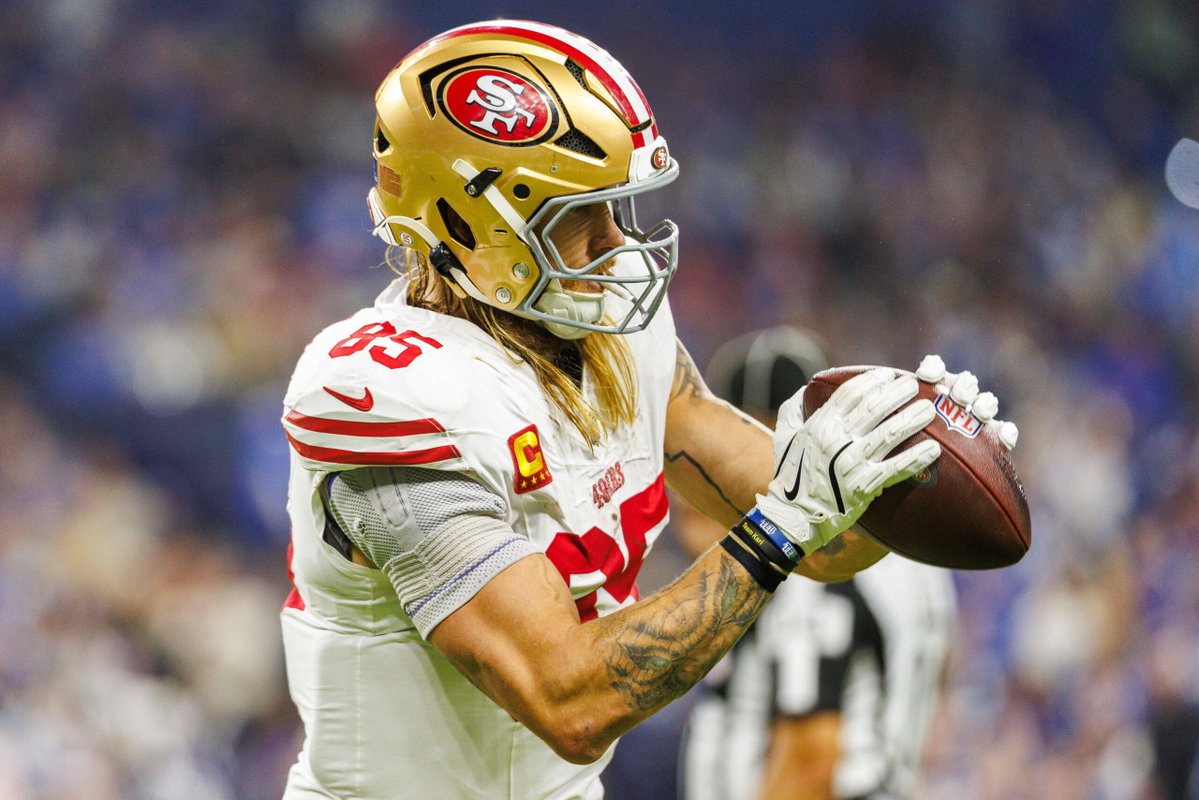
December 22, 2025: San Francisco 49ers tight end George Kittle 85 catches the ball during NFL, American Football Herren, USA game action against the Indianapolis Colts at Lucas Oil Stadium in Indianapolis, Indiana. /CSM Indianapolis United States of America – ZUMAc04_ 20251222_zma_c04_145 Copyright: xJohnxMersitsx
Few players have been more outspoken than San Francisco 49ers tight end George Kittle.
After attending the World Cup final at MetLife Stadium, the All-Pro tight end posted a simple message that quickly spread across social media.
“Grass looks great at MetLife! Can we keep it that way,” Kittle said on social media.
The comment was directed at the natural grass field installed specifically for the tournament. Kittle’s point was clear: if the stadium can successfully host the biggest soccer matches in the world on grass, why can’t it continue doing so for NFL games?
Kittle has long advocated for natural grass, arguing that the conversation extends beyond personal preference. Players believe grass is easier on the body over a 17-game season and reduces the wear and tear that builds up over the year.
His comments quickly became the face of the debate following the World Cup.
Other stars joined the movement
Kittle wasn’t alone.
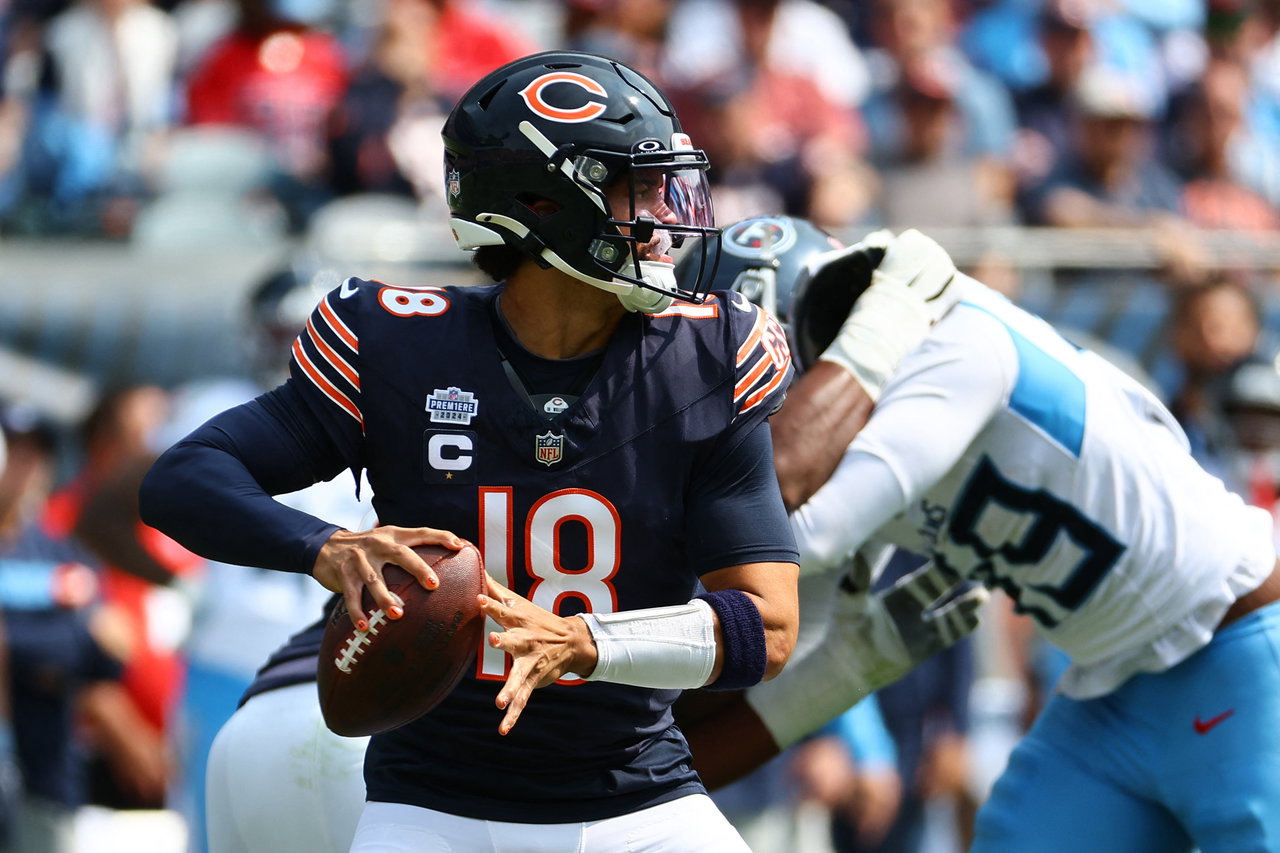
Chicago Bears quarterback Caleb Williams publicly supported keeping the World Cup grass fields in place, while Washington Commanders offensive tackle Laremy Tunsil also voiced his support for permanent natural surfaces.
Indianapolis Colts running back Jonathan Taylor, New York Giants quarterback Jaxson Dart, and numerous other players shared the same sentiments, with many signing the NFLPA’s “# WorthTheCost” campaign to pressure owners into reconsidering their field surfaces.

Natural grass isn't out of reach. Prioritizing players shouldn't be either! We're #WorthTheCost
The widespread support highlights that this isn’t an issue isolated to one position group or one franchise. Quarterbacks, offensive linemen, skill players, and defenders have all spoken publicly about preferring grass.
Why players believe grass is safer
Imago
Sep 8, 2024; Chicago, Illinois, USA; Chicago Bears quarterback Caleb Williams (18) drops back to pass during the second half against the Tennessee Titans at Soldier Field. Mandatory Credit: Mike Dinovo-Imagn Images
The main argument comes down to player safety.
For years, NFL players have cited concerns that artificial turf creates more stress on joints and soft tissue around the knees and ankles. Many players believe synthetic surfaces increase the likelihood of lower-body injuries because the surface can provide more traction, potentially causing feet to stick while the rest of the body continues to move.
The NFLPA has referenced injury data and player surveys showing a strong preference for natural grass fields. While research comparing injury rates has shown varying conclusions depending on methodology, the union has consistently argued that enough evidence exists to justify moving away from artificial turf whenever possible.
Players also point to the physical toll they feel after games.
Many have said they recover more quickly after playing on grass and feel less soreness compared to games on synthetic surfaces.
Why the NFL hasn’t made the switch

Reuters
Football – NFL – Super Bowl LVIII – Kansas City Chiefs v San Francisco 49ers – Allegiant Stadium, Las Vegas, Nevada, United States – February 11, 2024 A general view of a flag of the United States on the field before the game REUTERS/Mike Blake TPX IMAGES OF THE DAY
Despite growing player support, converting every stadium to natural grass is still a complicated issue.
Artificial turf is easier to maintain, particularly in stadiums that host multiple events throughout the year. Many NFL venues host stage concerts, college football, and other entertainment events in addition to their home schedules.
Climate also presents challenges. Teams located in colder regions face difficulties maintaining high-quality grass throughout late fall and winter, while domed stadiums often require specialized irrigation and lighting systems to keep grass healthy.
Cost is another major factor. Installing and maintaining natural grass requires millions of dollars in ongoing maintenance, particularly for enclosed stadiums.
Still, the World Cup showed that solutions exist. Allegiant Stadium in Las Vegas and State Farm Stadium in Arizona utilize movable natural grass trays that allow the fields to receive sunlight outdoors before being rolled inside for games. Raiders owner Mark Davis has publicly said natural grass was a priority during Allegiant Stadium’s design, though he said he doesn’t expect every owner to follow his footsteps.
Will anything actually change
Imago
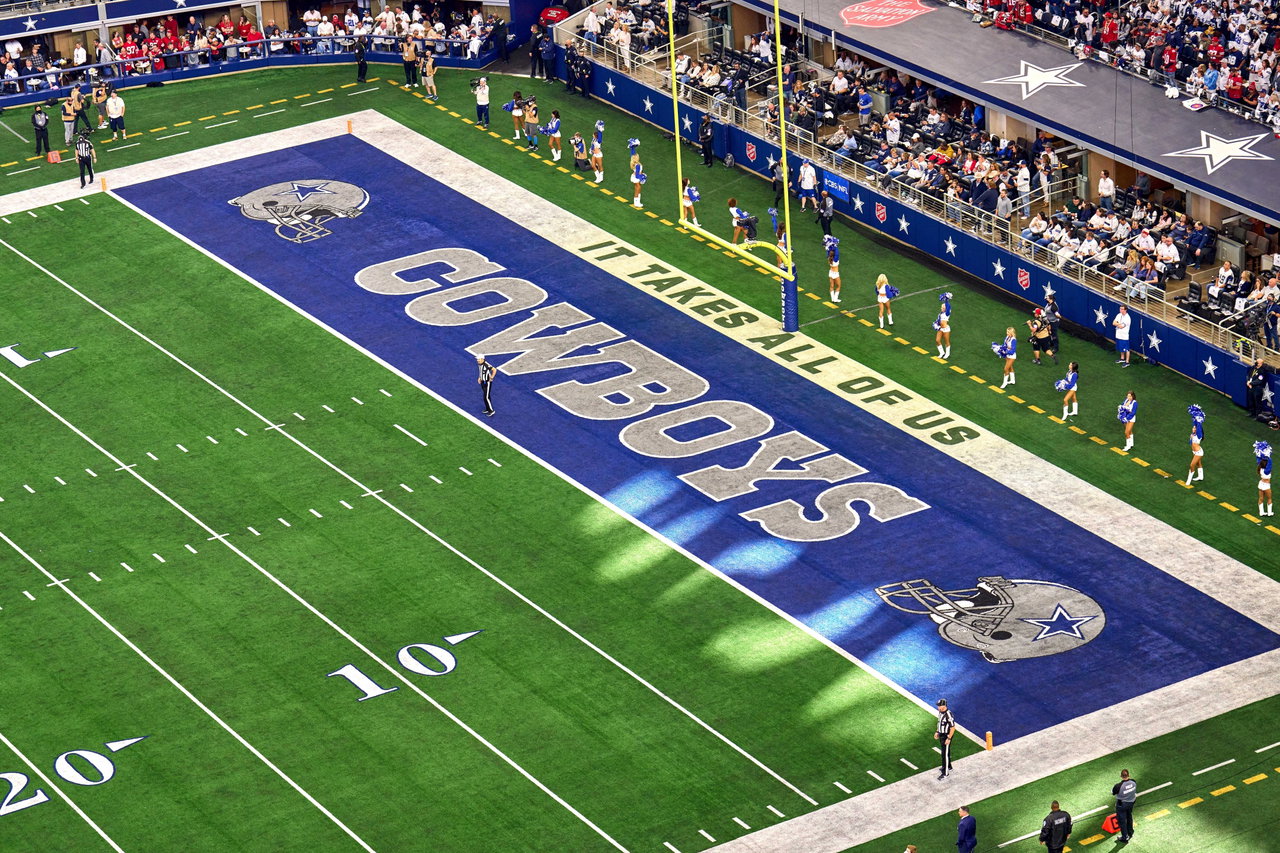
ARLINGTON, TX – JANUARY 16: A detail view of the Dallas Cowboys logo is seen in the endzone during the NFC Wild Card game between the San Francisco 49ers and the Dallas Cowboys on January 16, 2022 at AT&T Stadium in Arlington, TX. Photo by Robin Alam/Icon Sportswire NFL, American Football Herren, USA JAN 16 NFC Wild Card – 49ers at Cowboys Icon220116087
For now, the answer seems to be no.
The temporary World Cup fields have already been removed, and NFL teams will start the season with artificial turf.
However, players believe this summer changed the conversation.
The league can no longer argue that converting these stadiums isn’t possible because FIFA already asked for it, and the stadiums hosted some of the world’s biggest sporting events on natural grass.
Whether that translates into league-wide changes is still uncertain, but the pressure isn’t going away. With stars like Kittle, Williams, and Tunsil continuing to publicly advocate for natural grass and the NFLPA making the issue a central part of its player safety campaign, the debate is likely to remain a major topic during future labor discussions and stadium planning.
The World Cup may be over, but for NFL players, it’s provided the clearest evidence yet that the league’s grass-versus-turf debate is no longer about possibility. It’s about whether owners are willing to make the investment.