
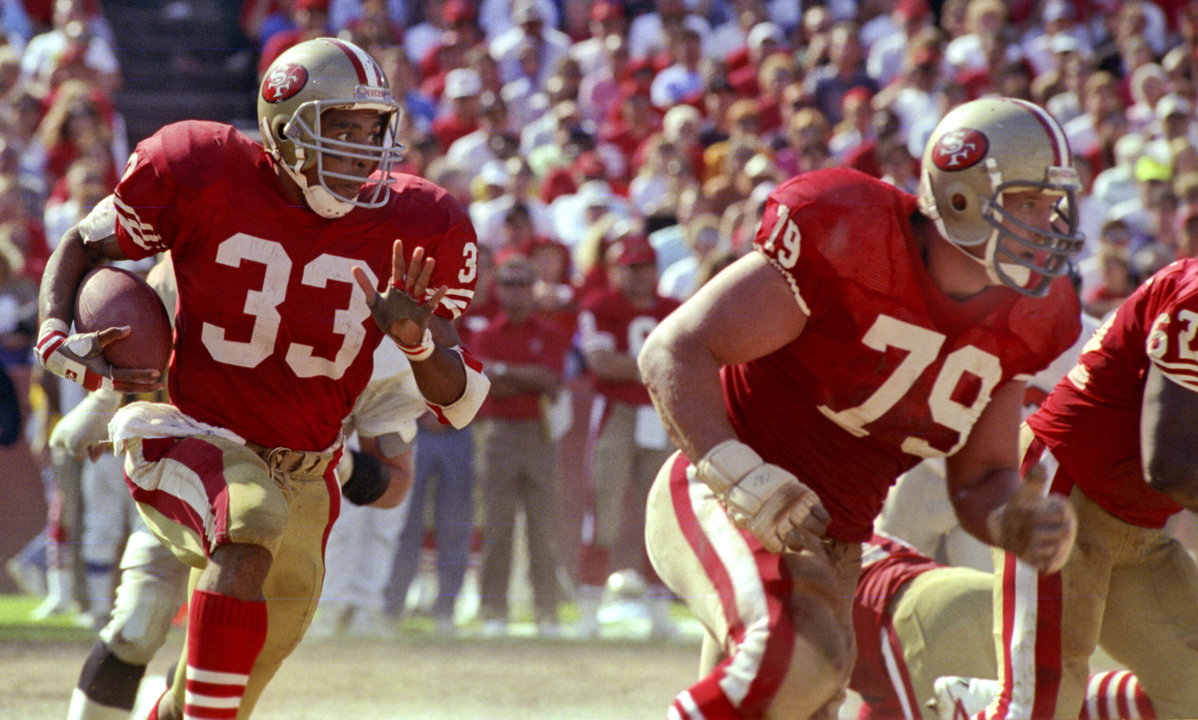
After 28 years, three-time Super Bowl Champion Roger Craig is finally getting inducted into the Pro Football Hall of Fame.
Watch What’s Trending Now!
As a key piece of one of the greatest dynasties the sport has ever seen, it felt like Craig should’ve been a shoo-in, but instead, he missed out time and time again before it was announced he’d be joining Drew Brees, Larry Fitzgerald, Luke Kuechly, and Adam Vinatieri in the 2026 HOF class.
Craig’s numbers may not have always jumped off the page, but they were still very good — and he was far ahead of his time, helping shape what the running back position is today. And for that alone, I think he deserves to be forever enshrined in Canton.
Roger Craig’s Beginning
Imago
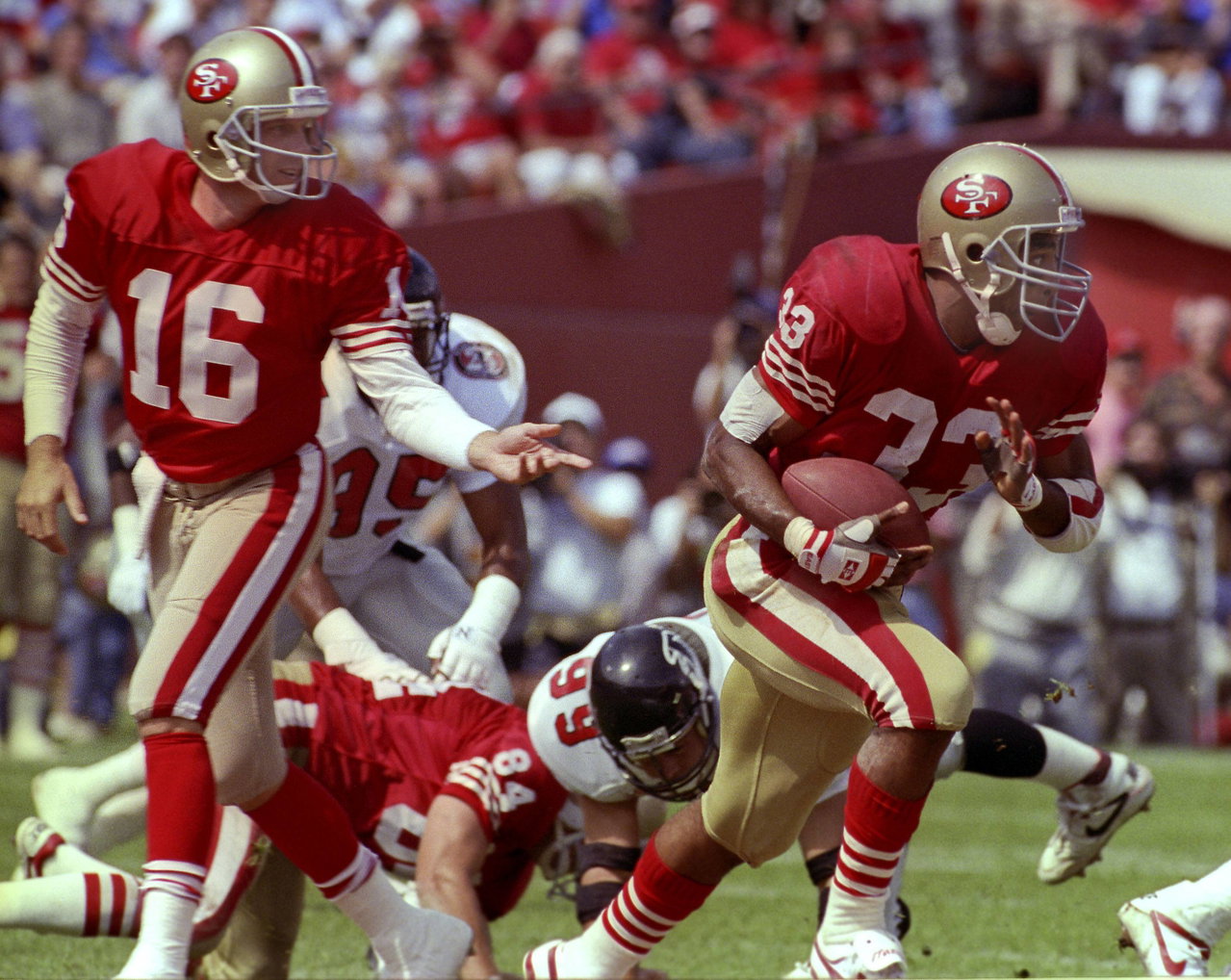
September 23, 1990 – San Francisco, California, U.S – San Francisco 49ers vs Atlanta Falcons at Candlestick Park Sunday, September 23, 1990. 49ers beat Falcons 19-13. 49er quarterback Joe Montana (16) hands off to running back Roger Craig NFL American Football Herren USA 1990: 49ers 19:13 Falcons – ZUMAg52_ 19900923_zap_g52_011 Copyright: xAlxGolubx
In 1979, Craig committed to the University of Nebraska, where he would spend all four years of his college career. As a freshman, Craig rarely saw the field, rushing for 31 yards on seven carries. But he exploded onto the scene as a sophomore, totaling 769 rushing yards and 15 rushing touchdowns.
After his sophomore year, Craig took off, rushing for 1,646 yards and 11 touchdowns in his final two seasons, which led to him being the 49th overall pick in the 1983 NFL Draft.
Craig, who is largely remembered for his abilities as a pass catcher out of the backfield, actually recorded only 102 receiving yards in his four years at Nebraska. But once he got to the NFL, San Francisco quickly realized they had a rising star on their hands. But I don’t think even they knew how much of an impact he’d have on the game of football.
Craig’s Impact on the RB Position
Imago
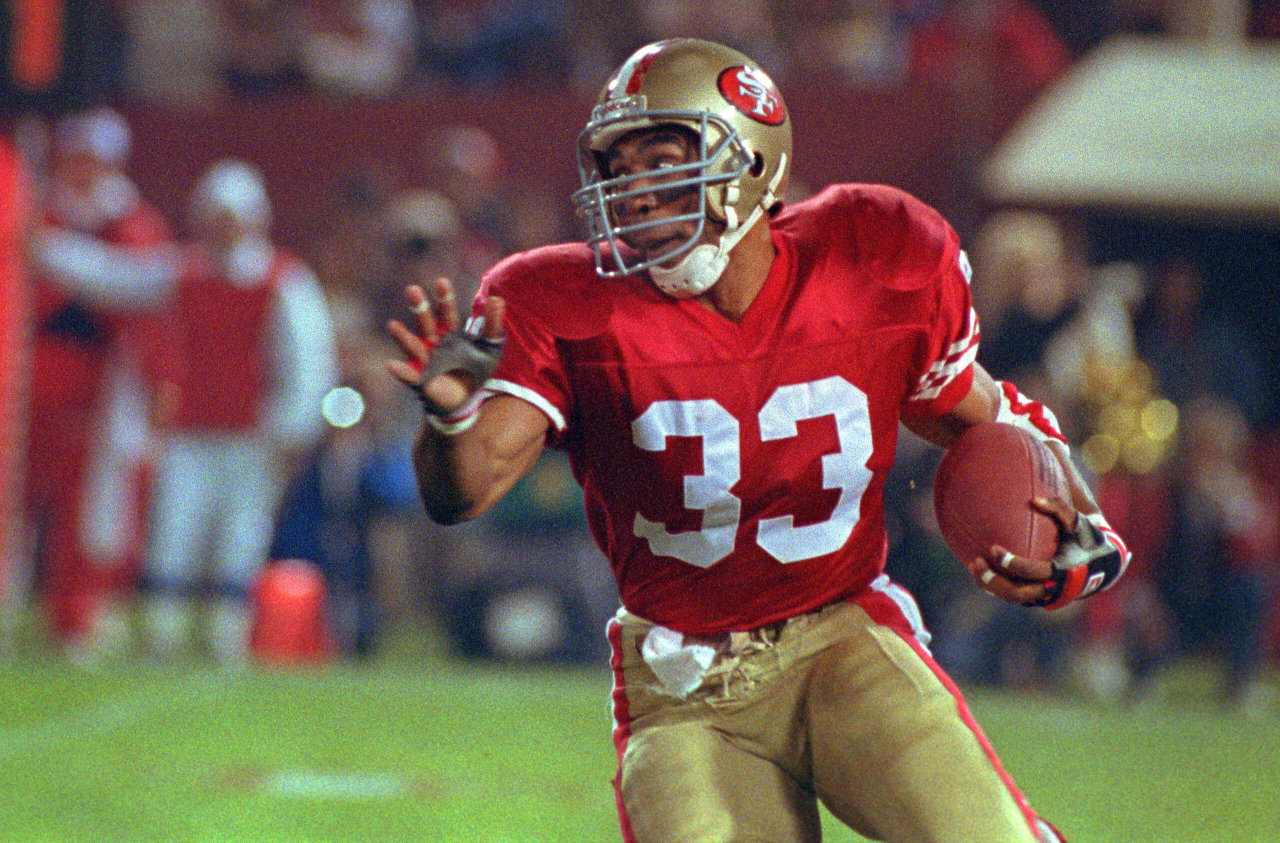
December 3, 1990 – San Francisco, California, U.S – San Francisco 49ers vs New York Giants at Candlestick Park Monday, December 3, 1990. 49ers beat Giants 7-3. 49er running back Roger Craig Copyright: xAlxGolubx
Back in the 1980s, running backs weren’t used like they are now. Sure, some scat backs could get out and catch passes, but there weren’t a whole lot of guys considered as big receiving threats at running back. That is, until Roger Craig showed up.
In Craig’s rookie season, he caught 48 passes for 427 yards and four touchdowns. That would be his worst year as a receiver over his first seven seasons in the league.
In his sophomore season, Craig caught 71 passes for 675 yards and three scores. In 1985, Craig’s third season in the NFL, he did something no other player in NFL history had ever done: totaled 1,000 yards rushing and receiving in the same season. Craig finished the year with 1,050 rushing yards and 1,016 receiving yards.
He also led the league in receptions with 92, becoming the fifth and latest running back to do so. And to put the cherry on top, he also helped lead San Fran to the Super Bowl with seven receptions for 77 yards and two touchdowns in the Big Game.
Craig never hit the 1,000-yard receiving mark again. But he finished his career with a whopping 4,911 receiving yards. At the time of his retirement in 1993, it ranked second all-time behind only Lenny Moore, who totaled 6,039 receiving yards from 1956-1967, nearly 30 years earlier.
Since his retirement, eight other running backs have surpassed Craig’s total. But it is clear that after him, the NFL started utilizing running backs in the passing game much more frequently.
Other 1,000-1,000 Seasons
Imago
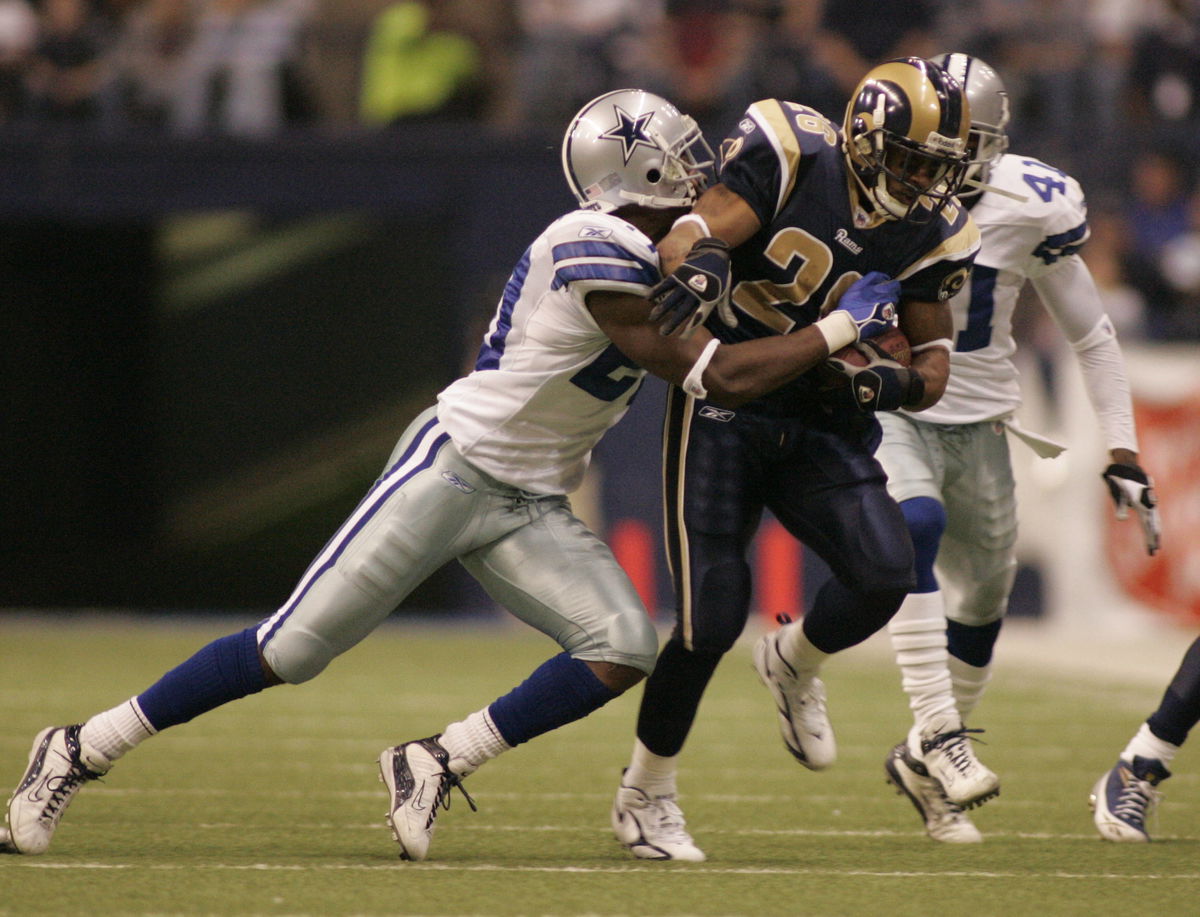
Dallas Cowboys safety Willie Pile wraps up St Louis Rams running back Marshall Faulk in the first half at Texas Stadium, in Irving, Texas, Sunday, January 1, 2006. Darrell Byers/Fort Worth Star-Telegram/KRT IRVING TX USA EDITORIAL USE ONLY Copyright: xFORTxWORTHxSTAR-TELEGRAMx 1025569 DarrellxByersx krtphotoslive199268
Roger Craig was the first player in NFL history to go for 1,000 yards on the ground and through the air in a single season. Since then, only two other backs have accomplished that feat.
In 1999, Marshall Faulk became the second man to put up 1,000 yards as a rusher and a receiver. He totaled 1,381 yards on the ground and 1,048 yards through the air en route to winning the Offensive Player of the Year award and finishing second in MVP voting. Faulk was the centerpiece of the Greatest Show on Turf and is one of the most dynamic running backs we’ve ever seen grace the gridiron.
It took another 20 years for another player to go for 1,000 yards through the air and on the ground. Christian McCaffrey was the next man up, achieving the feat in just his third year in the league. He rushed for 1,387 yards and caught 116 passes for 1,005 yards that year, just getting over the line in the final game of the season.
McCaffrey nearly became the first person ever to accomplish that feat twice, rushing for 1,202 yards and passing for 924 yards in 2025. If anyone’s going to do it twice, it’ll be him. But time is running out for the 30-year-old.
It’s hard to believe that 40 years later, in a league that has become more pass-heavy, only two other players have achieved what Craig did in 1985. But that only puts into perspective how much of a game-changer he was as a pass catcher and how he changed the game for every running back that came after him.