
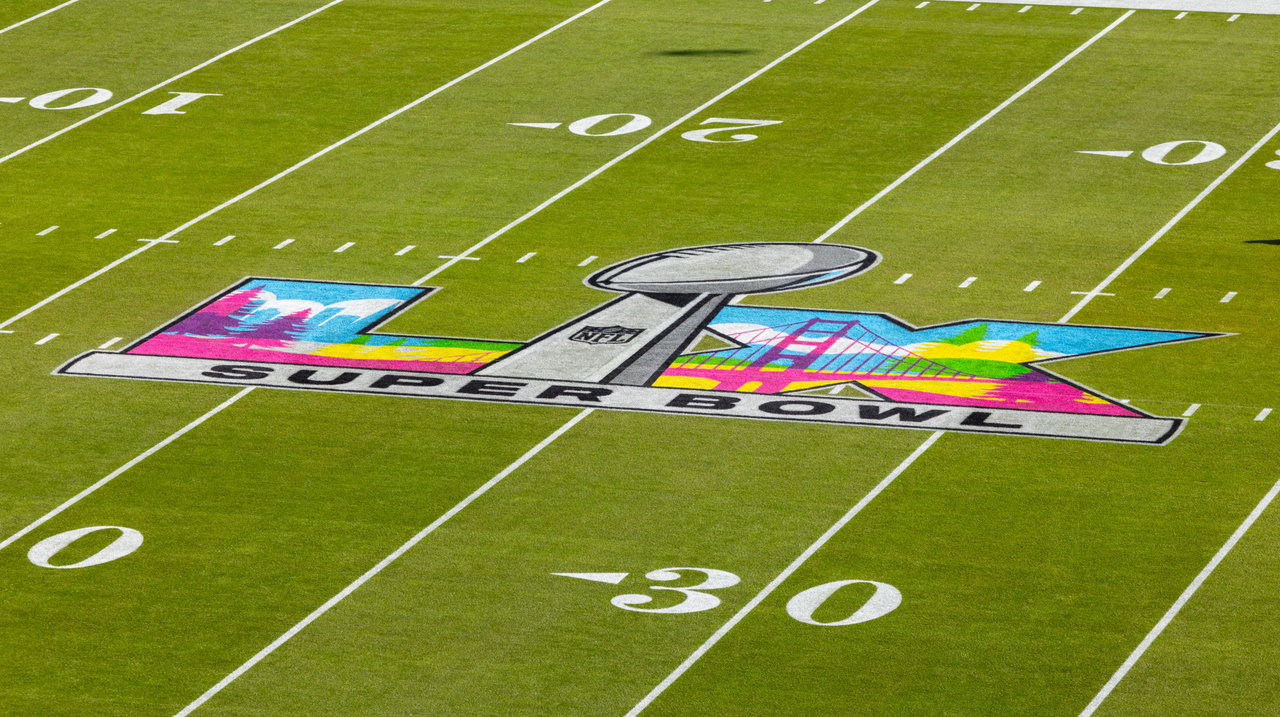
For the USA to host the World Cup, FIFA required all playing surfaces to have natural grass fields. This made venues like MetLife Stadium, SoFi Stadium, and AT&T Stadium replace their artificial turf fields with natural grass fields just to host a few soccer games.
Watch What’s Trending Now!
As you can imagine, the NFL players who play on these fields almost weekly and much prefer natural grass to turf were furious that stadiums went through all that trouble for a soccer game, but refuse to do it for their own players. There has been an outcry on social media from NFL players begging for every team to switch to natural grass fields, which has once again raised a debate that’s been going on for so long.
Players claim that they suffer more injuries – both contact and non-contact – on turf fields than on natural grass fields. But is that true?
I went through some of the data to give you an idea of just how much worse turf is than natural grass, and figured out why some teams refuse to make the change.
How Many More Injuries Happen on Turf Fields?
Imago
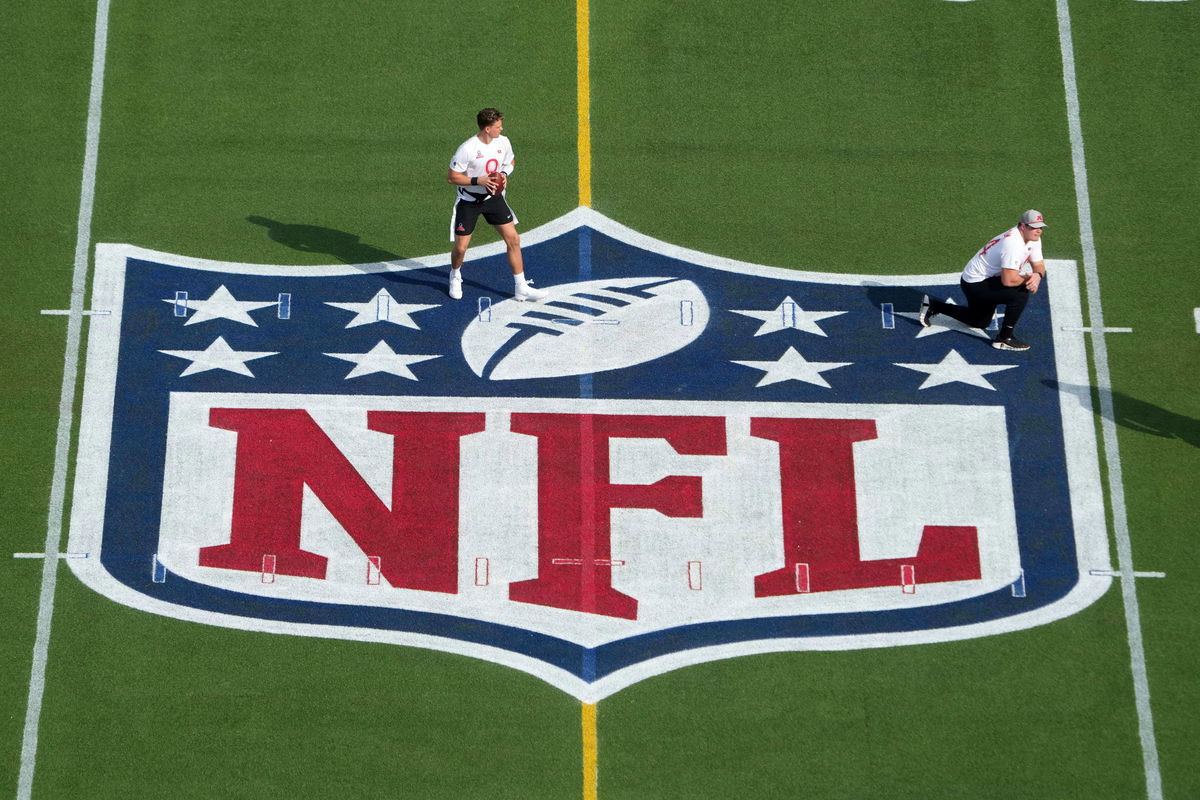
NFL, American Football Herren, USA Pro Bowl Championship-AFC at NFC Feb 2, 2025 Orlando, FL, USA AFC quarterback Joe Burrow of the Cincinnati Bengals 9 throws the ball on the NFL shield logo during the 2025 Pro Bowl Games at Camping World Stadium. Orlando Camping World Stadium Florida United States, EDITORIAL USE ONLY PUBLICATIONxINxGERxSUIxAUTxONLY Copyright: xKirbyxLeex 20250202_tcs_al2_171
Former NFL Player Association President and current NFLPA Executive Director, JC Tretter, wrote a very insightful article highlighting just how much more dangerous it is for players to play on artificial turf compared to natural grass.
Based on data the NFL collected from 2012 to 2018, players experienced a higher chance of suffering an injury during games and practices held on turf fields. But that’s not the main point. The rate of non-contact injuries, specifically lower-body injuries, is significantly higher on turf fields than on natural grass.
According to that study, players are 28 percent more likely to suffer a lower-body non-contact injury when playing on turf. They are also 32 percent more likely to suffer non-contact knee injuries and a whopping 69 percent more likely to suffer non-contact foot/ankle injuries on turf fields.
On top of that, another study found that football players are also 23 percent more likely to tear their ACL on turf fields than on grass fields.
Not only are players more likely to be injured by contact on turf fields, but they’re also far more likely to suffer non-contact injuries when playing on turf fields. It’s ridiculous that half the league plays on artificial turf given how staggering these numbers are.
How Many NFL Teams Play on Artificial Turf?
Imago
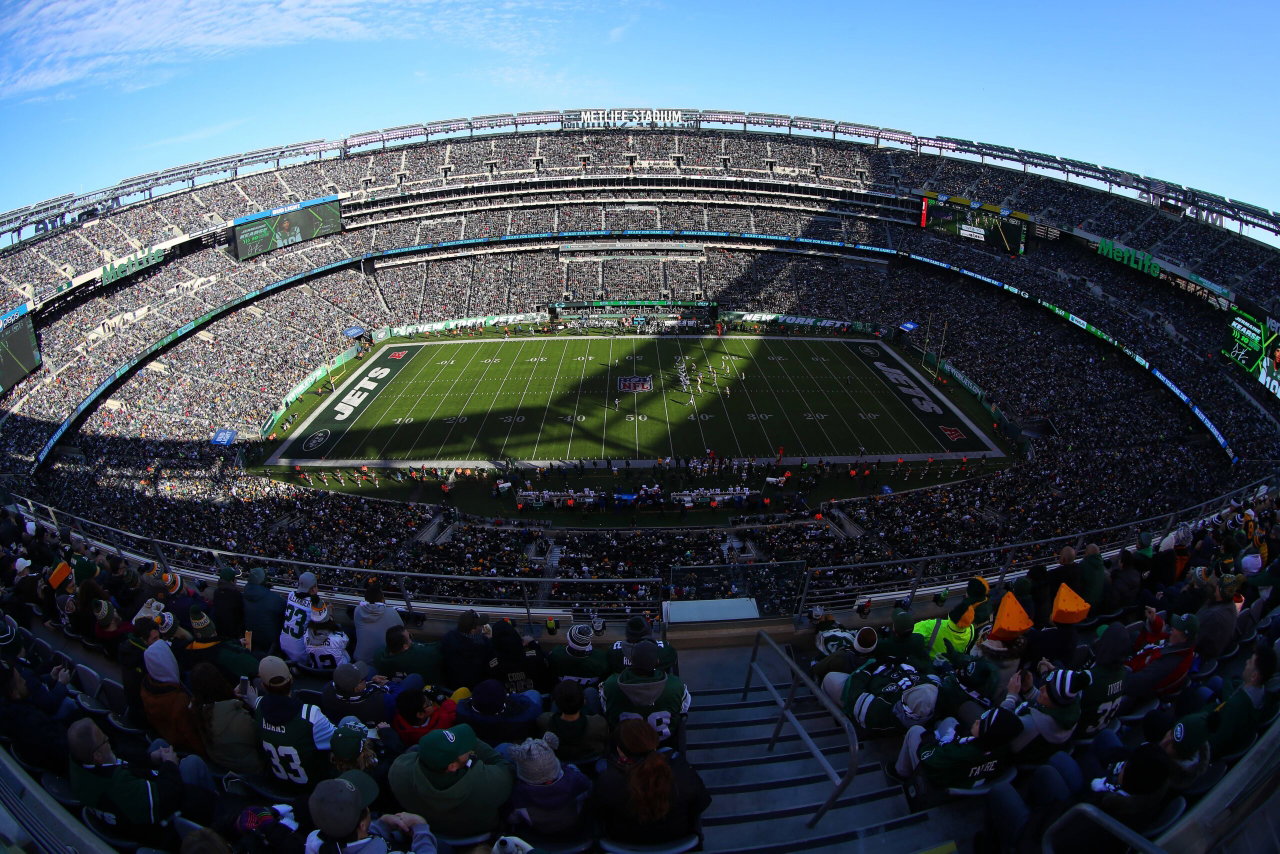
EAST RUTHERFORD, NJ – DECEMBER 23: A General View of MetLife Stadium during the first quarter of the National Football League game between the New York Jets and the Green Bay Packers on December 23, 2018 at MetLife Stadium in East Rutherford, NJ. (Photo by Rich Graessle/Icon Sportswire) NFL American Football Herren USA DEC 23 Packers at Jets PUBLICATIONxINxGERxSUIxAUTxHUNxRUSxSWExNORxDENxONLY Icon1812234218
I spoiled it a bit, but exactly half of the league plays on natural grass fields, while the other half plays on artificial turf. Here’s a list of every team that plays on turf:
- Atlanta Falcons
- Buffalo Bills
- Carolina Panthers
- Cincinnati Bengals
- Dallas Cowboys
- Detroit Lions
- Houston Texans
- Indianapolis Colts
- Los Angeles Chargers
- Los Angeles Rams
- Minnesota Vikings
- New England Patriots
- New Orleans Saints
- New York Giants
- New York Jets
- Seattle Seahawks
- Tennessee Titans
If you play indoors, I can somewhat understand having a turf field. They have developed ways to get natural grass into an enclosed stadium – just look at Arizona and Las Vegas, who roll their field out into the sunlight during the week to make sure their players have the best playing surface possible – but it’s largely new technology, so dome teams get a half-pass.
For those teams that play outdoors – the Bills, Panthers, Bengals, Patriots, Giants, Jets, Seahawks and Titans (and the Chargers and Rams?) – you have no excuse to not have a natural grass field. I know it gets cold during the winter, and it’s hard to maintain, but you’re a billion-dollar organization. You can figure something out.
The worst part is, with teams like the Bears and Chiefs planning to build a dome, there are likely going to be more and more teams switching to artificial turf fields.
Cost of Artificial Turf Compared to Natural Grass
Imago
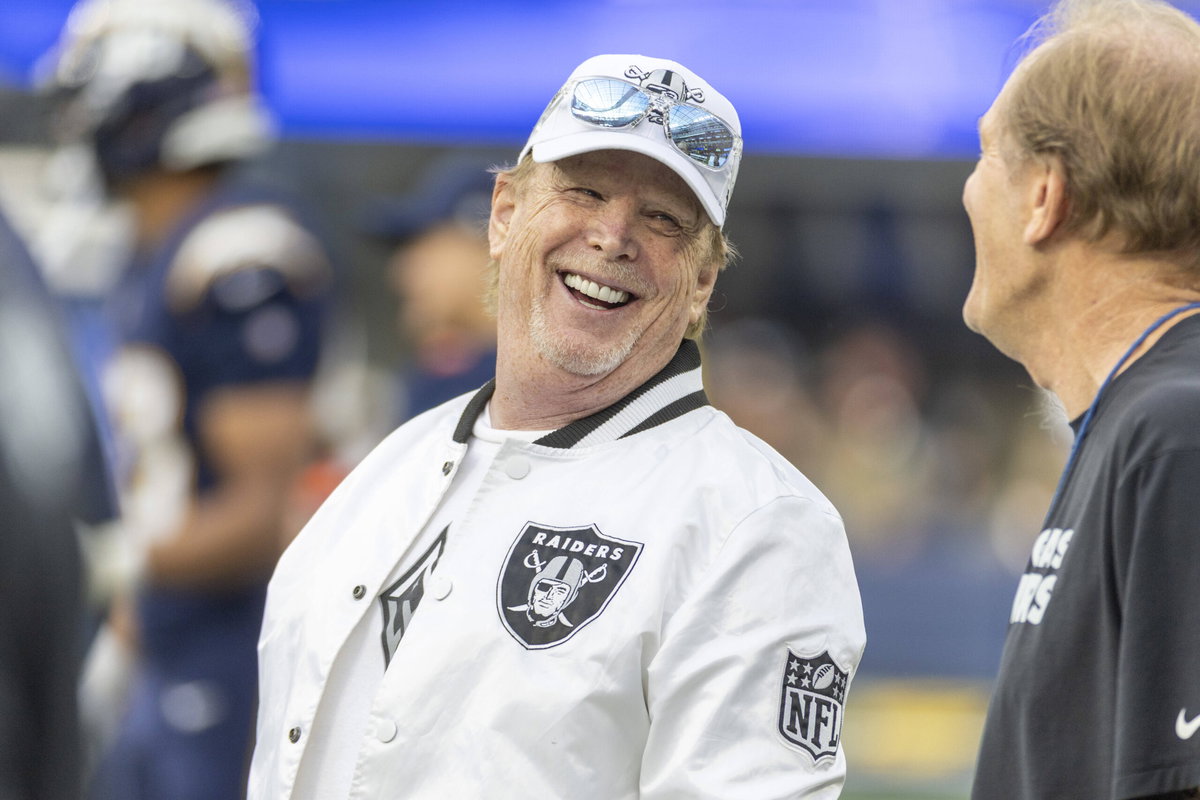
November 30, 2025, Los Angeles, California, USA: Las Vegas Raiders owner Mark Davis in a warm up before an NFL, American Football Herren, USA football game against the Los Angeles Chargers at SoFi Stadium, Sunday Nov. 30, 2025, in Inglewood, Calif. Los Angeles USA – ZUMAc68_ 20251130_zaf_c68_074 Copyright: xRingoxChiux
The reason so many teams have elected to use artificial turf for their playing surface is that it’s much cheaper to maintain. The upfront cost of putting turf in costs more, but you don’t have to pay for irrigation and other things to maintain it. Turf needs to be brushed and maintained, but it is significantly cheaper than natural grass.
Another reason a lot of stadiums use turf is that it’s much easier to host other events, such as concerts. If you want to plop a giant stage on some turf, it doesn’t take long to get it ready to play on again. But if you have natural grass, a stage can ruin the field and take a lot of time to prepare for a game or practice.
Unfortunately, we don’t have exact numbers for how much it costs an NFL team to maintain a natural grass field, but it likely costs millions of dollars more per year to maintain than turf.
But given that NFL players are viewed as “investments” now, since they make so much money, you’d think owners would want to protect those investments by giving them the best and safest playing surface available. But I guess maybe not all owners are as great businessmen as we think.