
Back in 2003, ESPN aired Playmakers, a show so explosive that the NFL made sure it never saw a second season. At the time, the idea of a major sports network putting a spotlight on corrupt owners, locker room secrets, and the ugliest side of professional football sounded like career-ending. But Playmakers did exactly that and still gained the fame they aspired for. However, the NFL still had the final say.
Watch What’s Trending Now!
“(Playmakers) was amazing, but it was ahead of its time because it talked about all the corruption and [ __] going on in the NFL that has been exposed after the fact,” Omar Gooding shared his thoughts on The Art of Dialogue on June 9, 2026. “But at the time, we didn’t know everybody was on steroids, and it was shooting up and doing all this and corrupt owners and all blah. So, the NFL hated the show, and the NFL told our producers that we couldn’t produce, we couldn’t mention the NFL in any of the promotions, and we filmed it out in Canada. We put out in Toronto.”
ESPN produced Playmakers, consisting of eleven episodes, which was penned by John Eisendrath. The drama featured a fictitious pro football team known as the Cougars. The first episode of the drama series involved a talented and promising rookie named Demetrius Harris (played by Gooding), who got hooked on drugs. But that was only scratching the surface. Week after week, Playmakers kept pulling back the curtain on addiction, domestic violence, homophobia, and all the things the NFL had spent years keeping out of the public conversation.
Given that, the league’s reaction was never really in doubt.
“Everyone feels that it’s a rather gross mischaracterization of our sport,” Commissioner Paul Tagliabue said at the time.
Tagliabue’s objections went beyond public criticism. According to contemporaneous reporting from The New York Times, he personally complained to Disney CEO Michael Eisner, whose company owned ESPN. Shortly afterward, ESPN stopped running promotional spots for the show during its NFL broadcasts.
Ironically, creator John Eisendrath never set out to pick a fight with anyone. His intentions were far simpler than the controversy that followed.
“I had no expectation that it would be controversial,” Eisendrath said. “I was clearly naive.”
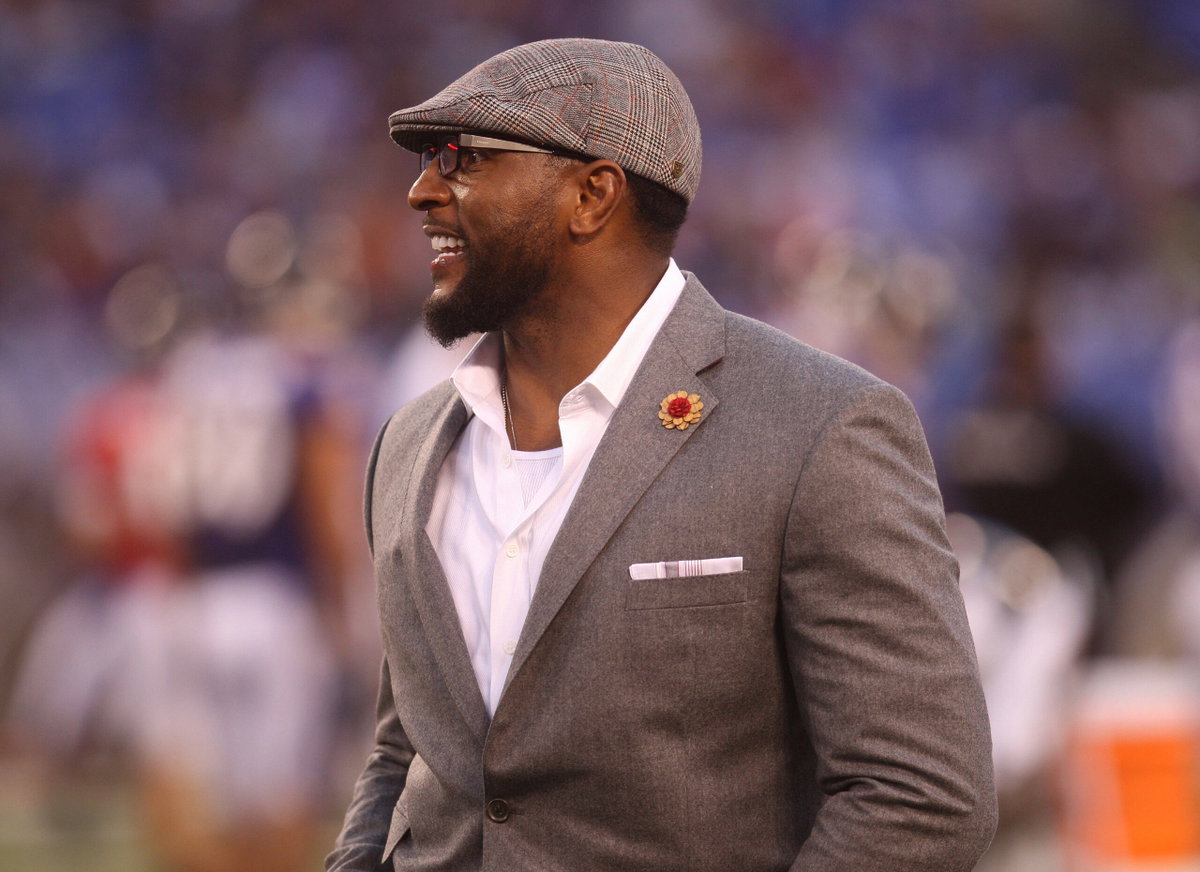
He wanted to explore male relationships and felt sports would give him the right environment to tell those stories honestly. What he did not anticipate was just how personally the NFL would take it. The players were divided on the whole thing. The Baltimore Ravens‘ former linebacker, Ray Lewis, had no interest in defending the show.
“They should have canceled it,” Lewis told ESPN.com. “That show doesn’t mean anything. That show is nothing about us.”
The former offensive tackle Willie Anderson of the Bengals shared that view.
“I’m glad they canceled it,” Anderson said. “It’s one of those false interpretations people get about the NFL and the players. If the NFL’s serious about our image and the image that we portray, canceling it is a good thing.”
Still, not everyone in the locker room felt the same way. Reportedly, Deion Sanders felt it to be a realistic depiction of life in the league, while Eisendrath mentioned that he heard from many players that quite a few of them secretly liked it. The Philadelphia Eagles‘ quarterback, Donovan McNabb, was “outspoken and supportive of it.”
The show held a mirror up to the league, whether the NFL liked it or not. However, without the NFL’s support, a show with every reason to continue never got the chance.
Why has the show never come back?
Here is where the story gets interesting. Playmakers was not canceled because it failed. It was canceled because it succeeded. In its only season, the show pulled in an average of 2.2 million per episode and became one of ESPN’s biggest hits ever. It won an American Film Institute honor as one of the top 10 TV shows of 2003, alongside The Wire and 24. It was watercooler television at its best. And still, after 11 episodes, it was gone.
The reason was simple. ESPN had to choose between a hit TV show and a billion-dollar NFL contract. It was never really a competition.
“But it wound up not going because the ratings were through the roof,” co-star Omar Gooding explained. “We made millions and millions of dollars for ESPN, but they had to weigh a TV show where they’re making millions or a billion-dollar NFL contract. And it was a no-brainer. And people are like, ‘The show was so good. Why didn’t anybody else pick it up?’ For the same reason, it got cancelled. Ain’t nobody fighting the NFL. Ain’t nobody. Every one of these major networks wants to have the opportunity for the NFL on TBS, CBS, ABC, and TNT.”
When ESPN pulled the plug, the producers tried to shop it elsewhere.
“We tried to sell it somewhere else,” co-executive producer Michael Angeli said. “No one wanted to touch it. I’m sure it was because the NFL exerted pressure on everybody.”
That right there tells you everything. The show was good enough to survive. But when the NFL decides something is gone, it stays gone. No network was willing to find out what happens when you fight back.