
Essentials Inside The Story
- The league is preparing for its Annual League Meeting in Arizona
- The meeting agenda carries five important rule proposals
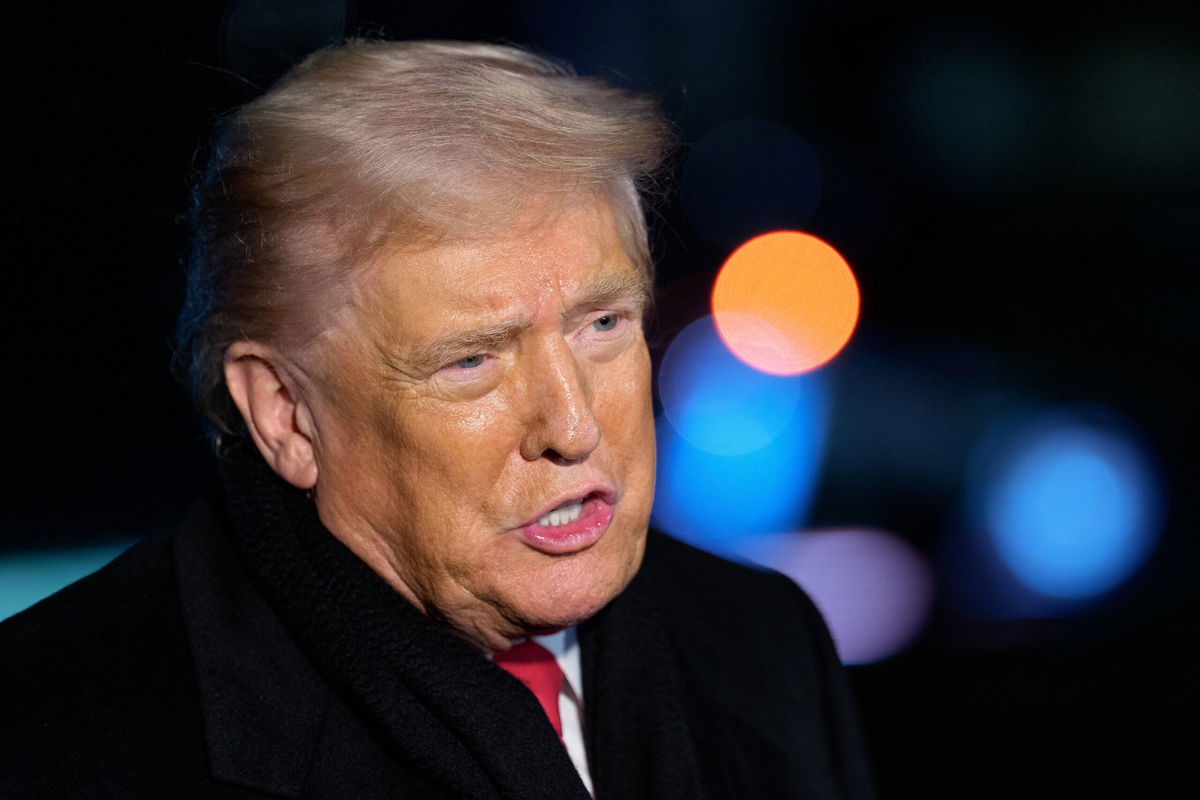
- Donald Trump criticized the new NFL rules, hoping College Football doesn’t follow suit
Last season, when the NFL made dynamic kickoffs permanent, it considered how implementing them in 2024 increased returns to 57 percent. Through the first four weeks of 2025, teams were returning 78.3 percent of kickoffs, the highest in the league in 19 years. However, the league failed to account for a big loophole that some teams thoroughly used, as was visible in the Dallas Cowboys’ 28-31 Thanksgiving Day win over the Kansas City Chiefs.
With 11:35 remaining in the game, Dallas intentionally kicked the ball out of bounds from the 50-yard line in hopes of pinning the Chiefs at their own 25 rather than risk a return. Everyone realized something had to give. Ahead of the Annual League Meeting in Arizona from March 29 to April 1, the Competition Committee put forward a major kickoff rule change this week, amongst others, including one that Donald Trump also dislikes.
Watch What’s Trending Now!
The biggest proposal would allow any team to declare an onside kick at any point during a game, not just trailing teams in the final minutes. Predictability has been the dynamic kickoff’s quiet flaw. Once onside attempts became a last-resort move, defenses could simply prepare for them.
Opening that window to any team at any time reintroduces a strategy that the current format has mostly removed. Interestingly, President Trump, addressing last season’s kickoff rules, has given his take multiple times.
“The NFL has to get rid of that ridiculous looking new Kickoff Rule. How can they make such a big and sweeping change so easily and quickly,” He wrote in a post on 15 September 2025. “It’s at least as dangerous as the “normal” kickoff, and looks like hell. The ball is moving, and the players are not, the exact opposite of what football is all about.
““Sissy” football is bad for America, and bad for the NFL! Who comes up with these ridiculous ideas? It’s like wanting to “roll back” the golf ball so it doesn’t go (nearly!) as far. Fortunately, college football will remain the same, hopefully forever!!”
He did not let go of the rule change four months later, either when he posted again, “I can’t watch the new NFL kickoff. Like many others, I just turn my head. Who has the right to make such a change? So disparaging to the game! The original was Big Time, Strong, Glamorous, and Exciting. The ridiculous new Kickoff Rule takes away the prestige and power of the game. I hope College Football doesn’t follow suit!”
The very essence of tackle football is its speed and physicality. However, the league was facing serious numbers in two aspects. One, when it came to injuries, the kickoffs were one of the most dangerous plays in the sport. In January, the NFL published data from the 2024 season that showed a lower concussion rate – down 43% from 2021-2023.
Then, there was the entertainment factor. By 2023, return rates had dropped below 22 percent as kickers just booted the ball through the end zone to avoid the play entirely. But the new setup led to more returns and fewer injuries.
The league opted to move the touchback to the 35-yard line to generate even more returns, and it worked. But more returns meant more collisions, and concussion rates on kickoffs rose significantly as a result.
The playing rule proposals submitted by the NFL Competition Committee for consideration by clubs at next week’s league meeting:
1. Permit the kicking team to declare an onside kick at any
time during the game.2. Eliminate the kicking team’s incentive to intentionally
kick the…— Adam Schefter (@AdamSchefter) March 24, 2026
The second proposal from the league closes the exact loophole Dallas exploited on Thanksgiving: eliminating the incentive to kick intentionally out of bounds from the 50-yard line after a penalty. The third proposal tweaks how the receiving team lines up in the setup zone, adjusting their alignment to improve both player safety and return frequency.
Donald Trump wanted the old kickoff back. Instead, he’s getting a patched version of the one he already hates. The league, meanwhile, is looking at more changes.
The league is aiming at more rule changes than just kickoffs
The fourth proposal would allow league personnel to consult with on-field officials on potential disqualifications in real time, even without a flag being thrown. This would account for some of the non-football acts on the field that the league has had to deal with.
Last season, Pittsburgh Steelers wide receiver DK Metcalf had a sideline altercation with a Detroit Lions fan during Pittsburgh’s 29-24 win. The officials, not seeing the incident in real time, called no penalty. But the league later suspended Metcalf for the final two games of the regular season. The new rule will flag such incidents right away. The fifth proposal is the most revealing one in the list.
For 2026 only, the Officiating Department would have the authority to correct clear missed calls, but only in the event of a referee work stoppage. The NFL’s collective bargaining agreement with the NFL Referees Association expires on May 31. NFL EVP Troy Vincent has already stated that talks to extend the agreement “have been unsuccessful.”
The league is now assembling a list of roughly 150 replacement candidates drawn primarily from smaller college programs, with onboarding potentially beginning in April 2026 itself. NFLRA Executive Director Scott Green said he was “surprised” the NFL would even consider going down this road again, given what happened the last time.
It was in 2012, when a 110-day lockout created a whole host of missed/incorrect calls. The lockout ended only after replacement officials handed the Seattle Seahawks a Monday Night Football win over the Green Bay Packers on a play so badly called that it came to be known as the “Fail Mary.”
The NFL acknowledged a touchdown that should never have counted, and two days after this botch-up, the two sides reached a deal.
The “one year only” label on this proposal is doing a lot of heavy lifting. The league isn’t adding an officiating correction mechanism simply because it wants better-called games. It’s building a contingency for a labor standoff it already expects to lose publicly, and it wants a rule on the books that at least lets it correct the worst mistakes before they go viral.
The NFL owners vote on all five proposals in Phoenix between March 29 and April 1. Each change will need at least 24 affirmations out of the league’s 32 teams.
Written by

Edited by

Antra Koul