
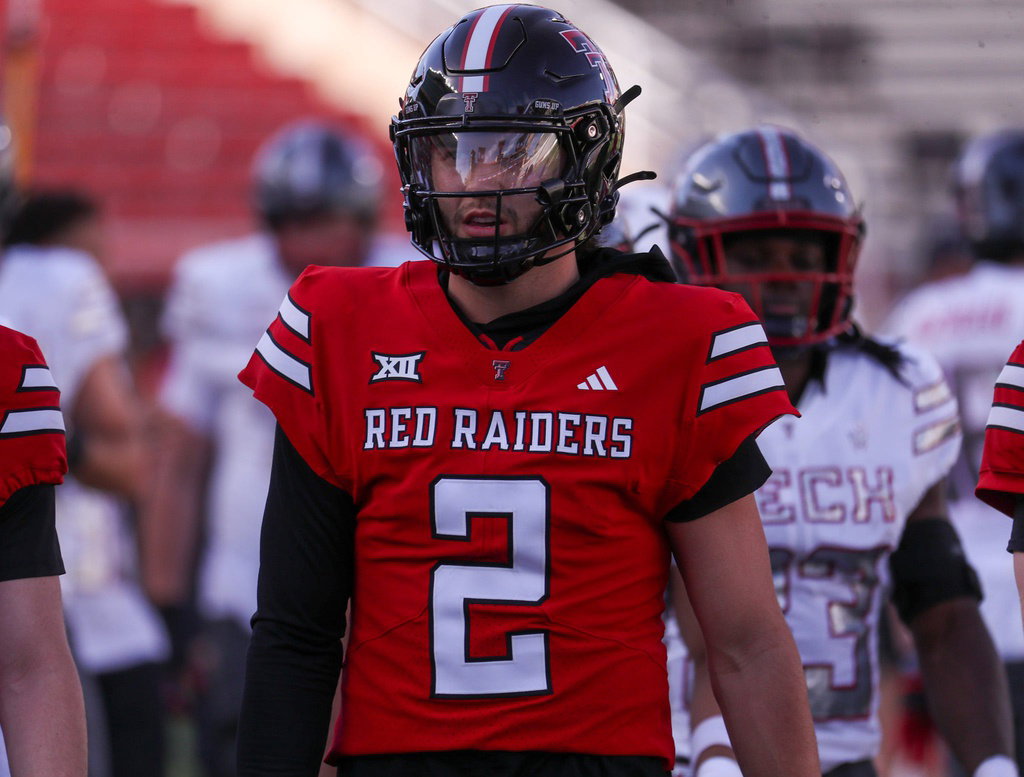
On Monday morning, Texas Tech star quarterback and projected first-round pick Brendan Sorsby was granted an injunction against the NCAA, saying they cannot punish him for placing over 2,000 bets worth over $90,000, including 40 bets on his own team back in 2022.
Watch What’s Trending Now!
This feels like the beginning of the end for the NCAA. We all knew they didn’t really have any power, but this proved it. They were going to make an example out of Sorsby and make sure he never set foot on a college field again, but some random Texas judge was able to overrule them and allow Sorsby to play this year after serving a two-game suspension.
This ruling sets a horrible precedent. Players now know that if they bet on their own team, they can get away with just a two-game suspension. That opens the door for a lot of corruption in the sport, so as you can imagine, the college football world is pissed off.
I will never defend someone who bet on their own team. That’s one of the biggest no-nos in sports. Under no circumstances can you sit in on important meetings during the week, figure out the scouting report, and then bet money on whether or not you think your own team is going to win or lose, even if you’re not actually going to play in the game.
However, I do think some people trying to take the moral high ground are being a bit hypocritical.
The NCAA Isn’t Completely Innocent

Imago
EAST HARTFORD, CT – MAY 19: General view of the NCAA, College League, USA logo prior to the Division 1 quarterfinal game between Loyola Greyhounds and Penn State Nittany Lions on May 19, 2019, at Rentschler Field in East Hartford, CT. (Photo by M. Anthony Nesmith/Icon Sportswire) NCAA LACROSSE: MAY 19 NCAA Lacrosse Championships Quarterfinals – Loyola v Penn State PUBLICATIONxINxGERxSUIxAUTxHUNxRUSxSWExNORxDENxONLY Icon19051913
I will give the NCAA some credit (which I don’t typically do). All of the major sports leagues have sportsbook partners, but they refuse to allow someone like FanDuel, DraftKings, or other sportsbooks to advertise during their games. They aren’t directly linked to any of these gambling companies, which nowadays is very rare.
However, the NCAA does partner with Genius Sports to distribute live stats to these major sportsbooks. This has enabled these betting companies to allow live betting on college sports. On top of that, their agreement with Genius Sports allows these major sportsbooks to use NCAA logos in their app.
I’m not going to hate on the NCAA too much for this decision, because they’re using the proceeds from the deal to set up educational courses for student athletes on the harms of sports betting. But they’re not completely innocent in this whole thing. They very easily could’ve not done this deal, and their hands would’ve been completely clean.
Sports Betting is as Big as it Has Ever Been
Imago
NFL, American Football Herren, USA Pro Bowl Championship-AFC at NFC Feb 2, 2025 Orlando, FL, USA AFC quarterback Joe Burrow of the Cincinnati Bengals 9 throws the ball on the NFL shield logo during the 2025 Pro Bowl Games at Camping World Stadium. Orlando Camping World Stadium Florida United States, EDITORIAL USE ONLY PUBLICATIONxINxGERxSUIxAUTxONLY Copyright: xKirbyxLeex 20250202_tcs_al2_171
While the NCAA hasn’t embraced sports betting, pretty much every major professional sports league has.
The NFL has partnered with DraftKings, FanDuel, and Caesars Sportsbook as its official betting partners, the NBA has partnered with DraftKings and FanDuel, the MLB has partnered with FanDuel, and the NHL has partnered with ESPN BET and BetMGM. The four major sports leagues have partnered with five different sportsbooks in the past few years, so it’s hard to say you’re against sports betting when you’re promoting it as heavily as these leagues are.
On top of that, more fans than ever before are sports betting right now. An estimated 27 percent of adults in America have registered for some sort of sports betting account. That means if you walk into a room with four people, there’s a very good chance one of them has an account with FanDuel, DraftKings, or some other betting company.
So, when you go online and see 100 people complaining about the Sorsby ruling, you can almost guarantee that half of them have placed at least one sports bet in the past year.
Obviously, these people aren’t collegiate or professional athletes betting on their own teams, but if you’re so concerned with sports betting ruining the integrity of the game, maybe you should stop feeding billions of dollars into companies such as FanDuel or DraftKings.
Gambling Has Become More Accessible to Teenagers
Imago
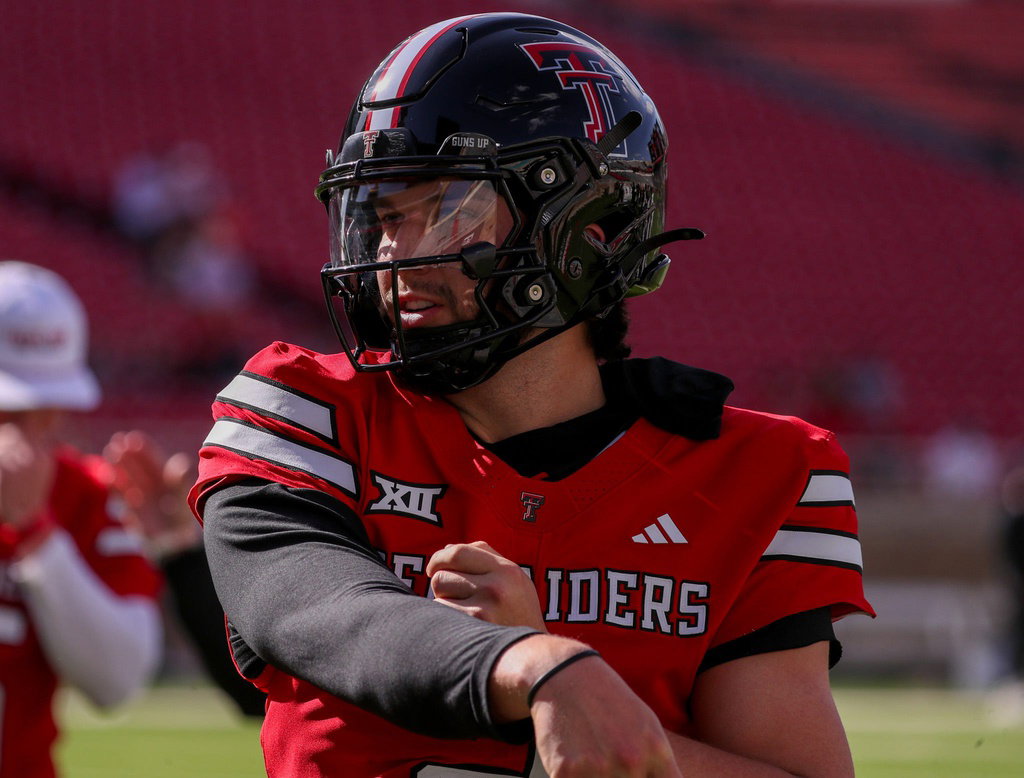
Texas Tech’s Brendan Sorsby goes through warmups before the spring football game, Friday, April 17, 2026, at Jones AT&T Stadium.
I’ve seen a lot of people saying if you’re not going to suspend Sorsby for betting on his own team, at least get him in trouble for underage betting, given he was under the age of 21 when most of his bets were placed. And while, yes, that was illegal back then (and technically still is today), it is very easy for someone under the age of 21 to bet on sports now.
These “prediction markets,” as they like to call themselves, such as Polymarket and Kalshi, somehow avoid being labeled as a gambling site, which allows kids as young as 18 to place wagers on sports. You can’t find the same things as you can on sportsbooks, but there is still a wide variety of props and games you can bet on.
Then there are apps like PrizePicks, which fall under the “daily fantasy” category, which makes them legal for 18-year-olds (in most states, at least). You can’t bet on the outcome of games, but you can bet on player props on PrizePicks, which, in my eyes, is still gambling.
Many of the same people who are complaining about Sorsby being underage when he bet on his own team are the same ones who have used these sites to bet under the age of 21.
I’ve said it a thousand times, and I’ll say it again. I am not trying to defend Sorsby in any way. What he did was completely wrong, and this ruling sets an awful precedent for the NCAA. But you have to admit, with sports betting becoming more and more popular, all these professional sports leagues partnering with sports books and these prediction markets allowing 18-year-olds to bet on sports, it’s all a bit hypocritical.