
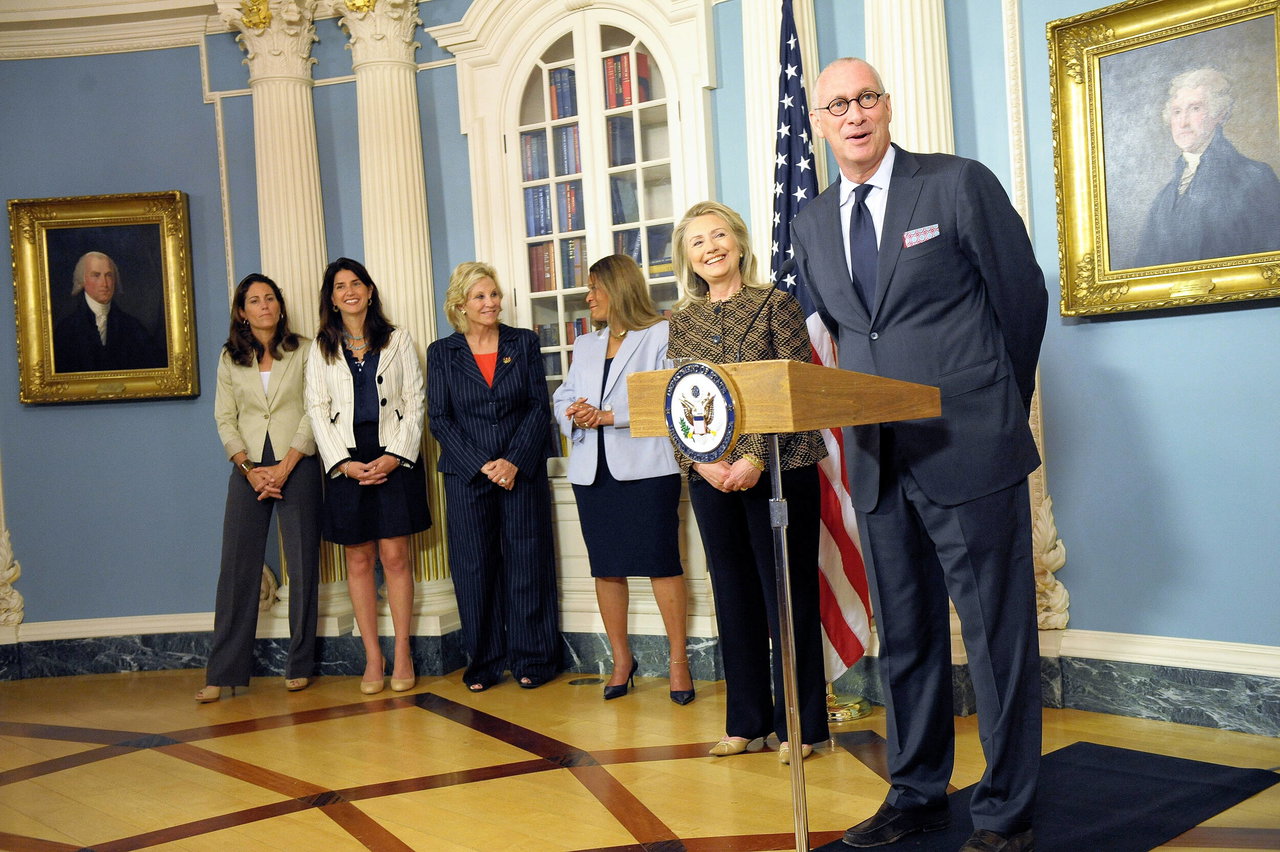
Regional sports networks are in severe trouble, and one of the biggest names in sports broadcasting isn’t seeing them bounce back. Speaking at the Barrett Sports Media Summit, former ESPN president John Skipper admitted that their “business is not long for the world.”
Watch What’s Trending Now!
John Skipper also noted that it no longer makes sense to have regional sports networks when content can be distributed nationally.
“The only thing I can say is that the distinction for most consumers other than I understand that they turn on, they drive to work, and they want to read about what’s going on with their local team. But more and more content is just going to be national, and the thing that I’ve dealt with mostly would be, like, in the regional sports networks, and my opinion on that is their- their business is not long for the world.
“There is no reason for a regional sports network when everybody in Buffalo can log onto the internet and get the Buffalo Bills… they don’t need a- that’s a better choice, the Sabres- they don’t need a local network.”
For context, John Skipper has been associated with the media industry for a long time. He was a former ESPN president and achieved record-breaking deals, including a mammoth nine-year, $12 billion contract with the NBA and a $7.3 billion deal for the College Football Playoff. He then went on to lead DAZN and co-founded Meadowlark Media.
Traditionally, regional sports networks made guaranteed income from the traditional cable bundle. Every household would pay between $3 and $8 a month for local sports channels included in basic cable. However, with millions of households cutting their cable subscriptions, there was no guaranteed income from non-fans. The expensive rights deals remained the same.
This caused a huge issue for regional networks. Diamond Sports Group went into Chapter 11 bankruptcy after it had around $8 billion worth of debt. The Bally Sports operator fell behind on their rights payments and had to cut ties with multiple MLB, NBA, and NHL franchises.
With regional networks failing, professional leagues have taken control of their own media. Major League Baseball has created its own local media division to produce and distribute games for teams that have been left behind. Some organizations have taken a hybrid approach with free local TV and individual streaming apps.
These developments align with John Skipper’s assessment that regional sports networks are coming to an end. Teams may not be getting as much in guaranteed rights fees but now have full control over their audience. Free broadcast partnerships allow local fans to watch games over the air, while streaming platforms offer direct access without paying for large, outdated cable packages.