Imago
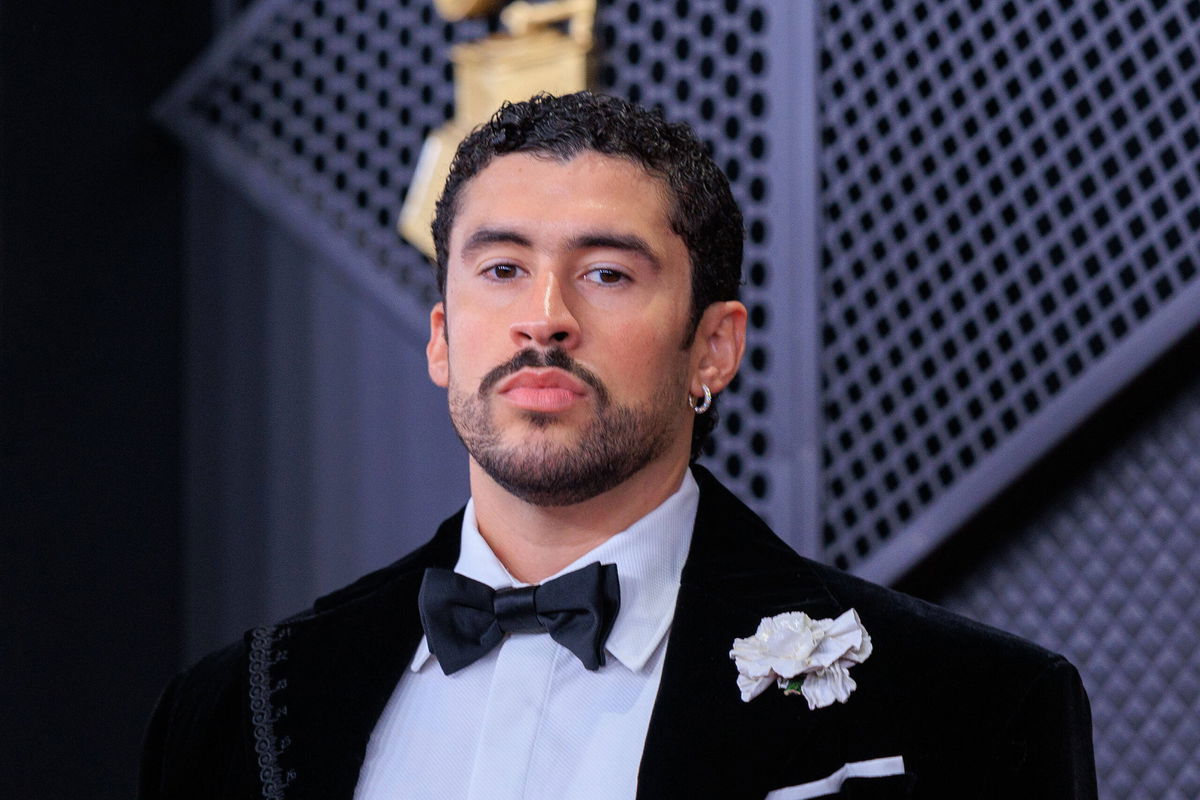
February 1, 2026, Los Angeles, California, USA: Bad Bunny on the red carpet of the 68th Annual Grammy Awards on Sunday February 1, 2026 at Crypto.com Arena in Los Angeles, California. JAVIER ROJAS/PI Los Angeles USA – ZUMAp124 20260201_zaa_p124_291 Copyright: xJavierxRojasx
Imago
February 1, 2026, Los Angeles, California, USA: Bad Bunny on the red carpet of the 68th Annual Grammy Awards on Sunday February 1, 2026 at Crypto.com Arena in Los Angeles, California. JAVIER ROJAS/PI Los Angeles USA – ZUMAp124 20260201_zaa_p124_291 Copyright: xJavierxRojasx
Essentials Inside The Story
- Federal regulators reach a definitive conclusion regarding the controversial halftime broadcast.
- The historic Spanish language performance sparked fierce debate and swift political backlash.
- Bad Bunny unexpectedly erased his entire digital footprint following the event.
After days of political uproar, translated lyrics circulating online, and demands for congressional inquiries, the gavel has fallen. The Federal Communications Commission has issued its verdict on the Bad Bunny Super Bowl Halftime Show, which was accused of indecent material and offensive language.
Watch What’s Trending Now!
The FCC’s initial assessment determined that Benito Antonio Martínez Ocasio’s songs had been edited to remove explicit lyrics. Since the most objectionable material was either altered or removed before broadcast, sources say the agency found insufficient evidence of rule violations. In songs like ‘Tití Me Preguntó,’ ‘Monaco,’ and ‘Safaera,’ the lyrics originally had explicit words but were scrubbed clean during the performance. The matter remains closed unless new evidence emerges, largely due to a critical factor that shaped the entire investigation.
“One problem with any possible FCC inquiry is that Bad Bunny sang in Spanish. So presumably, when the FCC managed to get a translation of what was actually said, the evidence of rule violations seemed thin at best. ‘The aberrant language was either changed or bleeped out,’ said the person familiar with the FCC scrutiny,” the New York Post reported.
The language barrier became an unexpected shield for the performance. Bad Bunny performed entirely in Spanish, celebrating his Puerto Rican heritage through music, choreography, and cultural references. The Grammy-winning artist, who had been vocally critical of U.S. Immigration and Customs Enforcement policies, used the platform to highlight those issues.

Tony's Top Prospects For QB For OSU
Apart from the cultural issues the performance raised, it also included explicit content that drew regulatory attention. According to FCC rules, free television is prohibited from broadcasting indecent material between the hours of 6 AM and 10 PM.
And that’s where the concerns arose about the appropriateness of the content for the massive audience watching live. The Super Bowl is a family tradition for countless American households. The translated lyrics from Bad Bunny’s catalog (even in their edited form) raised questions among critics about whether the performance maintained the family-friendly standards associated with the event.
Also, President Donald Trump found the performance inappropriate for the occasion. Trump called it “absolutely terrible” on Truth Social.
“The Super Bowl Halftime Show is absolutely terrible, one of the worst, EVER! It makes no sense, is an affront to the Greatness of America, and doesn’t represent our standards of Success, Creativity, or Excellence. Nobody understands a word this guy is saying, and the dancing is disgusting, especially for young children that are watching from throughout the U.S.A., and all over the World,” Trump added.
The criticism stemmed from Bad Bunny’s decision to perform entirely in Spanish. For some viewers, these choices felt exclusionary toward the majority of American viewers who speak English and consider football an integral part of their cultural identity.
Regardless, the FCC’s decision about the show signals a shift; one that could reshape how future halftime shows are evaluated.
How Bad Bunny’s case differs from other halftime controversies
The FCC’s decision to close its review without action marks a stark departure from past Super Bowl halftime controversies. Particularly notable is the contrast with the 2004 incident that involved Janet Jackson and Justin Timberlake. Ultimately, it resulted in hefty fines and years of legal battles.
During Super Bowl XXXVIII in 2004, a wardrobe malfunction briefly exposed Jackson’s body for less than a second as Timberlake and Jackson concluded their halftime performance.
The FCC responded by fining CBS $550,000, triggering a legal process that extended for years. The legal battle ultimately ended with the fine being voided by a federal appeals court in 2011. The court ruled that the incident fell within the “fleeting” indecency exception of FCC policies, noting the exposure was momentary and unintentional.
By contrast, Bad Bunny’s halftime show hasn’t triggered the same legal machinery. The difference lies in how Bad Bunny presented the content. He performed edited versions that removed the most explicit material. He also delivered everything in a language that most American viewers needed translation to understand fully.
However, this technical compliance hasn’t resolved the broader cultural debate. It has resulted in an endless loop of debate about intent, execution, and standards.
That being said, since the Super Bowl performance, Bad Bunny has dramatically retreated from public view. The artist removed all his Instagram posts, unfollowed everyone, and even deleted his profile picture, leaving his 54.1 million followers with a blank profile.
What does data say about Bad Bunny’s performance?
This whole debate shows the challenges the NFL faces in balancing cultural representation with its traditional audience base. At that same time, NBC and the NFL touted the Super Bowl halftime show as a major ratings success. That, however, has been questioned by several analysts.
As per Nielsen Data, reviewed by On The Money, the Super Bowl reached its peak audience at 137,826 viewers during a 15-minute window in the second quarter. From that point on, including the halftime segment featuring Bad Bunny, viewership slid by 6 percent. Ratings didn’t rebound until game action resumed in the third quarter. The numbers climbed by 7 percent once the game started.
“Based on my understanding of the data, Bad Bunny lost more % of the Super Bowl viewership from the end of the second quarter than has ever happened before,” Ryan Glasspeigel, reporter for Front Office Sports, shared his understanding of the data.
Now that the Super Bowl is done and the FCC issued its verdict, the controversy surrounding Bad Bunny will hopefully reach its end.
Written by

Edited by

Shrabana Sengupta