Imago
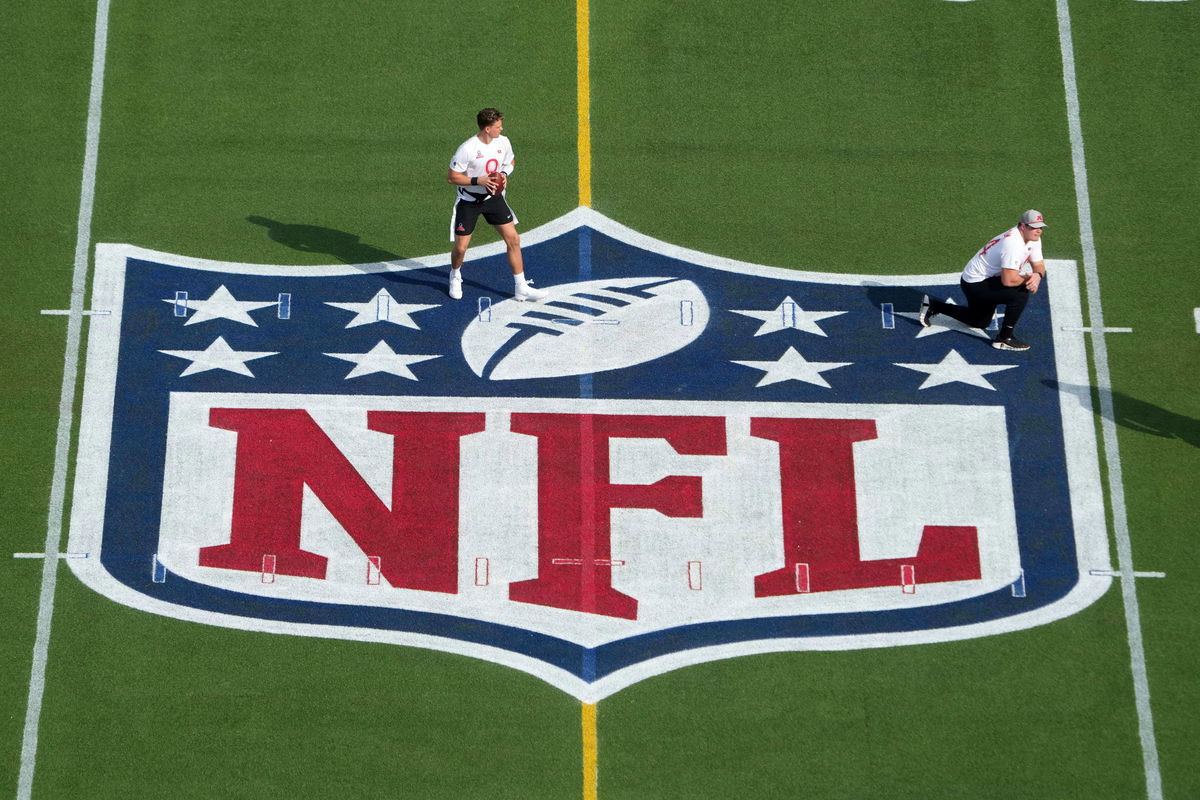
NFL, American Football Herren, USA Pro Bowl Championship-AFC at NFC Feb 2, 2025 Orlando, FL, USA AFC quarterback Joe Burrow of the Cincinnati Bengals 9 throws the ball on the NFL shield logo during the 2025 Pro Bowl Games at Camping World Stadium. Orlando Camping World Stadium Florida United States, EDITORIAL USE ONLY PUBLICATIONxINxGERxSUIxAUTxONLY Copyright: xKirbyxLeex 20250202_tcs_al2_171
Imago
NFL, American Football Herren, USA Pro Bowl Championship-AFC at NFC Feb 2, 2025 Orlando, FL, USA AFC quarterback Joe Burrow of the Cincinnati Bengals 9 throws the ball on the NFL shield logo during the 2025 Pro Bowl Games at Camping World Stadium. Orlando Camping World Stadium Florida United States, EDITORIAL USE ONLY PUBLICATIONxINxGERxSUIxAUTxONLY Copyright: xKirbyxLeex 20250202_tcs_al2_171
Last season, the NFL tried something new. The league streamed the first game of the season for free on YouTube, and the result was massive. Almost 20 million fans tuned in without paying a single dollar. But from the second game, anyone who wanted to keep watching had to buy the NFL Sunday Ticket package, which costs $480. Now the platform appears ready to push that model even further, and many viewers may not like where this is heading.
Watch What’s Trending Now!
“We’ll come up with a nice mix, I think, of opportunities to present games that are free; some things we might put behind a subscription, others might be a mix of the two,” YouTube vice president of subscriptions Christian Oestlien said on the Marchand Sports Media podcast this week.
YouTube is carefully building subscription products while leaving the door open to future paywalls for certain live sports events. Oestlien also made it clear that those decisions will not happen in isolation.
“I think there’s a lot of flexibility there from a business-model standpoint. A lot of that is actually working with our partners to see what their priorities are. Monetization is really important, but I think one of the things that leagues are concerned about, and hopefully see an opportunity in YouTube, is that we can really deliver that reach.”
YouTube is already seeing strong results from its NFL deal. The company recently reported that subscription numbers for NFL Sunday Ticket have surpassed those achieved on DirecTV.
The platform also continues to promote its paid tier, YouTube Premium, while competing with streaming giants like Amazon Prime Video and Netflix to become a one-stop destination for entertainment and live sports. However, that strategy could introduce more paywalls for fans.
YouTube exec says streamer could one day put sports events ‘behind a subscription’ https://t.co/8cTJ5Fc6C7 pic.twitter.com/zZTfwCg8cy
— Awful Announcing (@awfulannouncing) March 5, 2026
Individual NFL games may still appear free on YouTube, but other sports packages might require subscriptions. In fact, Oestlien openly discussed interest in local in-market rights for leagues like the NBA, NHL, and MLB. Similar services already exist elsewhere, such as MLB.tv through ESPN integrations or NBA League Pass on Prime Video, and they often sit behind multiple subscription layers.
However, if the platform shifts too heavily toward paid access, it could frustrate viewers who enjoyed the free broadcast model that brought millions together in the first place.
YouTube got record-breaking numbers amid concerns
The numbers from last season show just how big the NFL’s move to streaming has become. When the National Football League aired its first exclusive game on YouTube, the results quickly turned heads. The Week 1 clash between the Kansas City Chiefs and the Los Angeles Chargers in Brazil pulled in 18.5 million viewers in the United States alone. On top of that, roughly 1.1 million more fans watched from outside the country, making the debut broadcast a clear success.
The game represented more than just strong viewership. In fact, it marked another step in the league’s push to grow internationally. The NFL already staged games in Brazil, England, Ireland, Germany, and Spain last season. The league is also preparing to expand even further in 2026 when it brings games to Australia, which could eventually lead to a full package of international matchups across the calendar.
However, the overseas numbers sparked a different conversation. While the domestic audience looked strong, the 1.1 million viewers worldwide raised questions when compared with the global population of more than 8 billion. Still, there are several important reasons behind that figure. For years, the NFL has focused most of its international efforts on Europe, where it regularly hosts games and builds fan interest across the continent.
Because of that focus, the kickoff time created a serious challenge. The Chiefs versus Chargers matchup began at 2 a.m. in Madrid and Berlin and around 1 a.m. in London. Naturally, that kind of timing makes it difficult for even the most loyal overseas fans to stay up and watch the entire game.
So when you consider those obstacles, the 1.1 million global viewers may not look so bad after all. So, expectations remain high as the NFL continues its worldwide push, and this season could reveal whether those numbers grow or stall.
Related Newsletters