
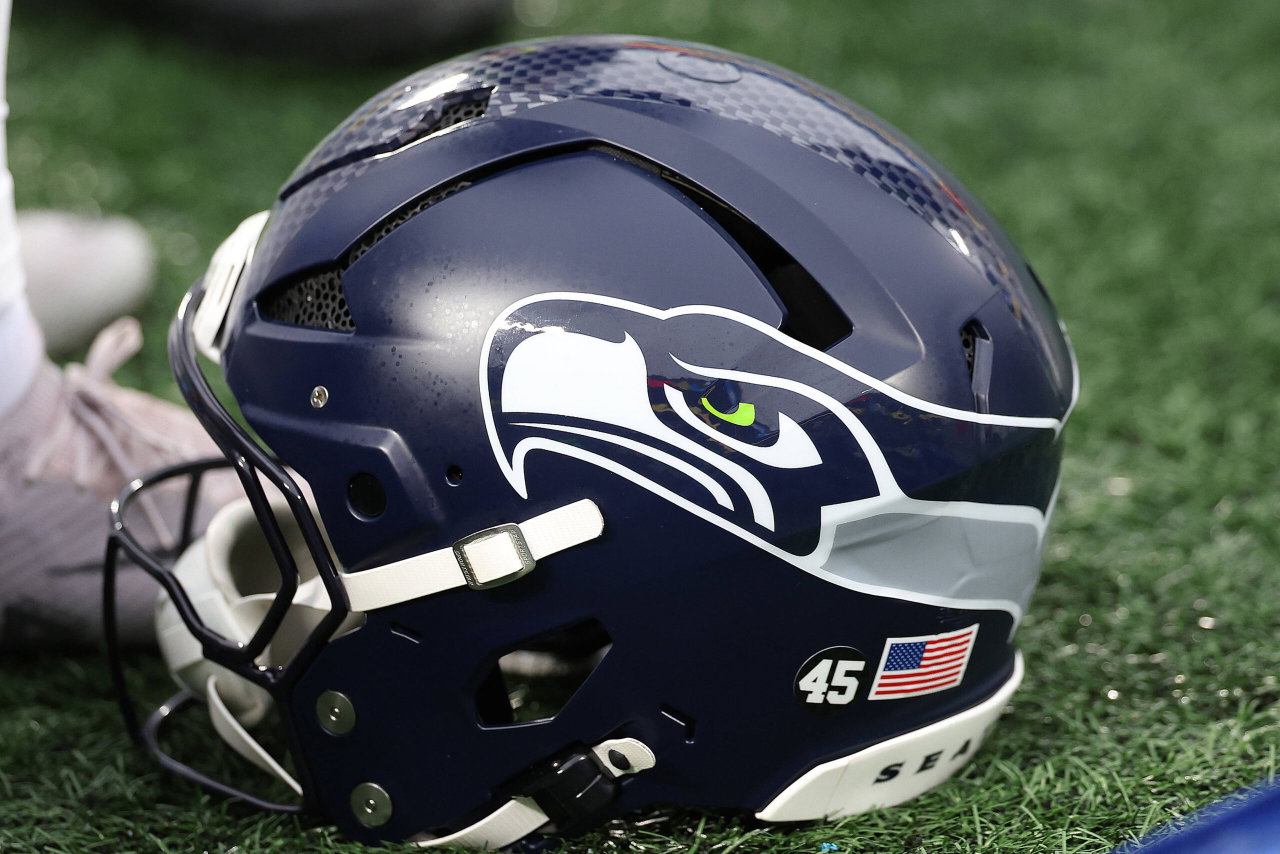
Matt Hasselbeck just became part of something that’s never been done before. The former Seattle Seahawks quarterback is stepping into a lead role in a major CTE research effort out of Boston University. CTE (Chronic Traumatic Encephalopathy) is a progressive, degenerative brain disease caused by repeated hits to the head over a long period.
Watch What’s Trending Now!
The NIH handed Boston University’s CTE Center a $15 million grant back in November 2025, funding what’s called the DIAGNOSE CTE Research Project-II. Researchers are chasing something huge with it, a real way to spot CTE while someone’s still alive, using blood work and brain scans instead of waiting on an autopsy. Hasselbeck, 49, got named the study’s very first ambassador by the Concussion Legacy Foundation.
“As a former NFL player, I know I am at risk for CTE, but right now I am blessed to be feeling healthy, Being a part of this study, where you can actually study these types of things, where maybe you can come up with a test and a cure for those who are still living, maybe dealing with these issues, whether it is football or any other sport, I was excited to get involved,” he said, per Boston University’s research report.
His current health is actually the whole point of why he’s involved. Researchers need people who aren’t showing any symptoms yet, because the real goal here is figuring out what CTE looks like biologically long before it ever progresses. That kind of baseline data has never existed before.
“I think that the difference here is that we haven’t had a test subject of people, mainly football players, in this case a contact sport that we know there is head trauma, head collision,” Hasselbeck said. “But I think this will affect every other sport.”
He also spoke with KIRO Newsradio in Seattle about why this research matters beyond just NFL players. His father played nine years in the NFL, his kids play football, and he coaches.
“So my dad played in the NFL for nine years. My family’s played football. My kids play, you know, I coach. And so I want to make the game safer,” Hasselbeck said.
The study runs across five universities. Boston University, UCSF, the University of Florida, UT Health San Antonio, and the University of Southern California are all involved. Every participant goes through neurological exams, cognitive tests, tau PET brain imaging, and blood draws. Researchers compare those results to build the first clinical picture of what CTE actually looks like in a living patient.
Any male aged 50 or older who played college or professional football can sign up. Hasselbeck is personally reaching out to former teammates and players across generations to get them involved.
Matt Hasselbeck played 18 NFL seasons while watching the CTE crisis unfold
Hasselbeck was drafted by the Green Bay Packers in the sixth round in 1998. He spent his best years as the starting quarterback of the Seattle Seahawks from 2001 to 2010, made three Pro Bowls, and led Seattle to Super Bowl XL in February 2006. He retired in 2015 after stints with the Tennessee Titans and Indianapolis Colts.
The players who defined his era are the ones whose names keep coming up in CTE research. Former linebacker Junior Seau, who played during overlapping years in the AFC, died by suicide in 2012 at age 43. A posthumous examination confirmed severe CTE.
Former quarterback Ken Stabler was confirmed to have had stage three CTE out of four after he died in 2015, per the New York Times. Former Patriots tight end Aaron Hernandez, who died in 2017, was found to have the most severe CTE ever recorded in someone his age at 27.
Hasselbeck has watched all of it unfold. That history is exactly why he stepped forward for this study while he is still healthy enough to contribute data that could help the players who come after him. Other former players are on the door. His public profile, his credibility with the football community, and his willingness to talk openly about his own risk make him exactly the kind of figure a study like this needs to reach its enrollment goals.
The study itself is designed to run five years, with researchers targeting completion by July 2029. Enrollment is ongoing at all five sites, and Hasselbeck’s role now is less about his own results than about making sure enough of his generation signs up before that window closes.