Imago
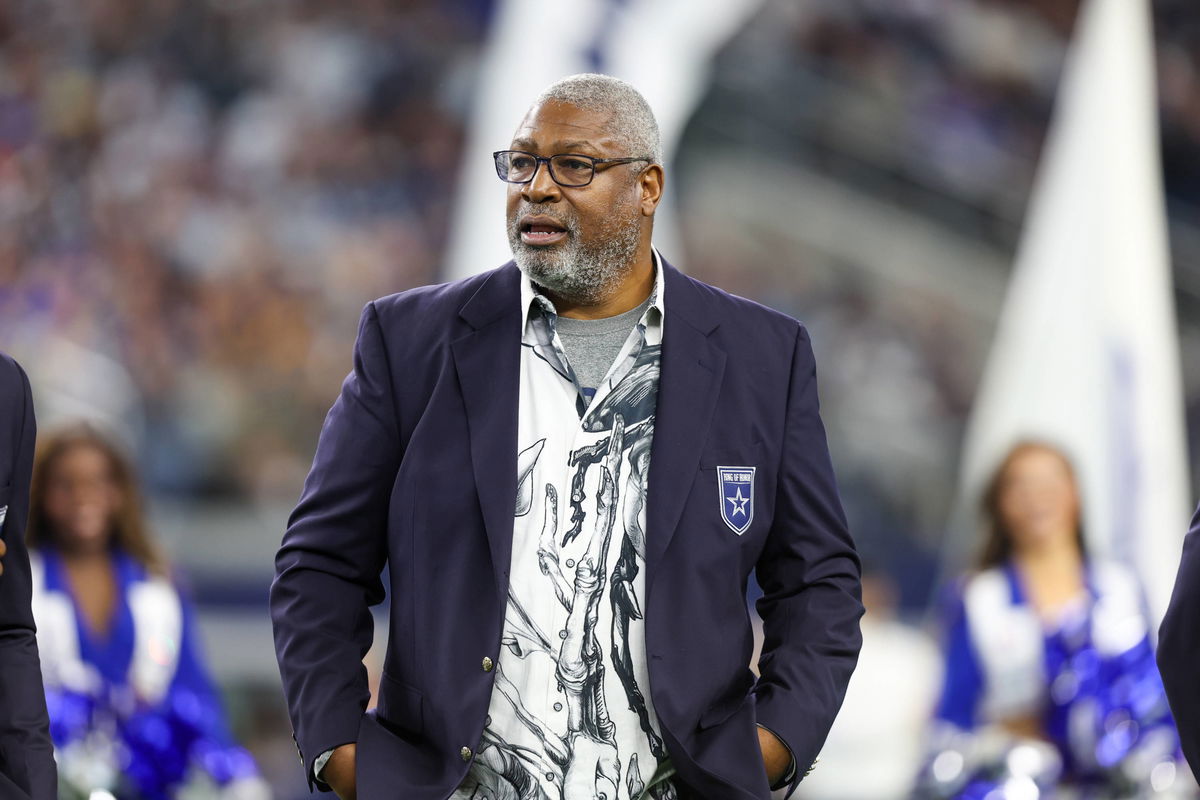
ARLINGTON, TX – OCTOBER 29: Charles Haley attends the induction of DeMarcus Ware into the Dallas Cowboys Ring of Honor during the game between the Dallas Cowboys and the Los Angeles Rams on October 29, 2023 at AT&T Stadium in Arlington, TX. Photo by George Walker/Icon Sportswire NFL, American Football Herren, USA OCT 29 Rams at Cowboys EDITORIAL USE ONLY Icon231029056
Imago
ARLINGTON, TX – OCTOBER 29: Charles Haley attends the induction of DeMarcus Ware into the Dallas Cowboys Ring of Honor during the game between the Dallas Cowboys and the Los Angeles Rams on October 29, 2023 at AT&T Stadium in Arlington, TX. Photo by George Walker/Icon Sportswire NFL, American Football Herren, USA OCT 29 Rams at Cowboys EDITORIAL USE ONLY Icon231029056
Former Dallas Cowboys defensive end Charles Haley has always been known for his toughness on the football field. But off the field, he has battled mental health challenges, a struggle that the NFL allowed him to channel throughout his career. In the premiere episode of The Route Tree, Haley opened up about his struggles with mental illness, something he dealt with since he was a child.
Watch What’s Trending Now!
“I’ve been dealing with mental illness all my life,” Charles Haley said during the interview. “That’s why I never had friends, because I didn’t want people to see the 13-year-old kid inside of me screaming for help. And I thought if I had friends, people would figure that out.”
Haley admitted he never asked for help for years, even though many players around him noticed something was wrong. It wasn’t until he went to a dual diagnosis center and got his medication regulated that he truly started to heal.
Top Stories





He also stopped using alcohol and drugs and has been sober for almost 20 years. This shows how seeking help and proper treatment can change lives.

Where Does Cowboys Still Lack Elite Talent?
Let Tony do the scouting, you just make the pick.
Pick your positions. Get Tony’s top 5:
“And I take my medicine every day. Every day. I’m proud. I’m proud of it. But the thing that I had to overcome was just saying,” he said. “I’m bipolar. Once you say, ‘I have a mental illness’, you claim it. It’s all of it.”
This isn’t the first time Haley has opened up about this topic. He had spoken about this earlier in 2024 at the National Alliance in Athens, where he explained how his illness gave him an edge.
“The NFL helped mask my mental illness because I could act out. I could fight. I could do everything and there were no repercussions. So sports helped me mask what was going on inside of me and it was an outlet. Then when I went home to my family stuff, I was physically drained and I was able to be a father, a husband.”
Haley has used his platform to help others as well. He joined the “GEAR UP Against Cancer” campaign with the CDC and NFL Alumni, promoting lung cancer awareness, prevention, and early screening. His work encourages fans and players alike to stay proactive about health, showing that Haley’s impact goes far beyond the field.
Haley’s words carry extra weight because he is an NFL legend, the first player to win five Super Bowl titles, two with the San Francisco 49ers (XXIII and XXIV) and three with the Dallas Cowboys (XXVII, XXVIII, and XXX), starting in all five games.
His relentless defense and ability to pressure quarterbacks made him one of the most dominant players in NFL history. He was inducted into the College Football Hall of Fame in 2011 and the Pro Football Hall of Fame in 2015.
Imago
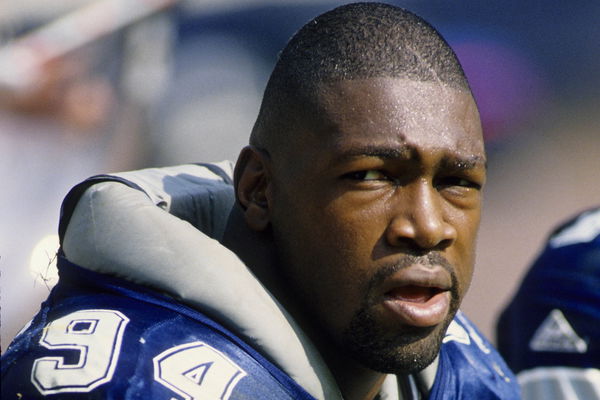
US PRESSWIRE Sports Oct 23, 1994 Tempe, AZ, USA FILE PHOTO Dallas Cowboys defensive end Charles Haley 94 on the bench against the Arizona Cardinals at Sun Devil Stadium. The Cowboys defeated the Cardinals 28-21. Tempa Arizona UNITED STATES, EDITORIAL USE ONLY PUBLICATIONxINxGERxSUIxAUTxONLY Copyright: xUSAxTODAYxSportsx 5085520
Haley’s journey proves that true strength comes from facing struggles, seeking help, and using personal experiences to inspire others. His legacy on and off the field continues to influence fans, players, and communities alike.
Aside from this, Haley also shared how faith and personal beliefs helped him survive life’s hardest moments.
Charles Haley on faith and emotional strength: Finding light in dark times
Haley encourages people, especially men, to find one thing that gives them strength when times get dark.
“I can tell you, you don’t have mental illness then because when that darkness comes, you can’t have that darkness, either you’ve got somebody to help, or you’re like me,” Charles Haley said. “I tell people all the time, choose one thing that you can hold on to when darkness comes. And mine is my relationship with Jesus Christ.”
Haley reflected on his college days, saying football culture taught men to be tough and hide emotions. He didn’t accept being labeled “Dr. Jekyll and Mr. Hyde” and realized many men struggle to express their feelings, unlike women.
He explained that men often struggle because society teaches them to hide feelings. Football culture makes this worse, telling players they must be tough and aggressive. Haley said that understanding emotions and having something meaningful to live for are important.
However, the former NFL DE’s words show that finding faith or purpose can guide anyone through dark times. His honesty about emotions, struggles, and the pressures men face proves that true strength comes from acknowledging feelings and seeking support.
Written by

Edited by

Suyashdeep Sason