
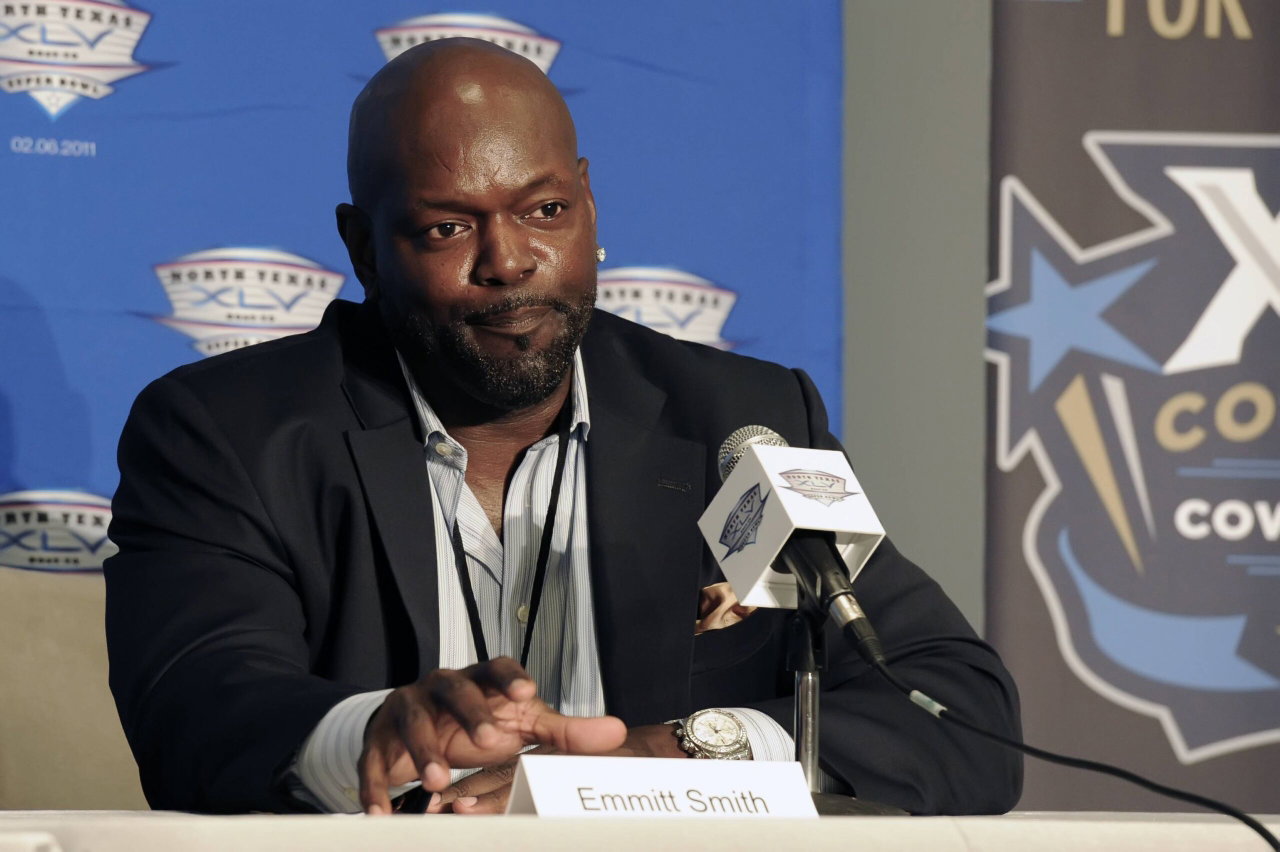
Dallas Cowboys legend Emmitt Smith has become embroiled in a legal dispute stemming from a failed $2.5 million solar energy initiative. The tribal investment group has sued the former running back over a loan connected to the proposed Project Exodus in Texas. Smith has tried to push back the blame, arguing that the failed project was not a fraud.
Watch What’s Trending Now!
NFL reporter Ben Horney reported on X, “Emmitt Smith wants a tribal investment group sanctioned after it sued him over a $2.5M loan tied to a failed solar project.”
Smith answered back when Kituwah LLC, the investment firm of the Eastern Band of Cherokee Indians, filed a lawsuit over the $2.5 million loan. Smith, his business partner, David Mosley, and their company, 4 13 Solutions Inc., have now asked the Delaware court to impose sanctions on Kituwah and its lawyers.
They are also looking for a permanent dismissal of the lawsuit with litigation costs and other relief. The defendants responded to the complaint on October 9, disputing the allegations. They described Kituwah’s suggestion.
“The reference to a ‘Ponzi scheme’ is unsupported by any facts and made in bad faith,” the filing says, according to Front Office Sports. “Plaintiff and its counsel should be sanctioned for knowingly making a false statement that accuses the 4 13 Defendants of criminal behavior.”
Smith argued that the project was a business venture that failed because the financing never took place.
“Simply put, this case involves no fraud or misconduct of any nature,” the filing said. “The parties ventured into an ambitious plan that failed.”
In September 2023, Kituwah provided a $2.5 million loan for the project, which involved Kituwah, 4 13 Solutions, and Wilson Holdings. The group that invested expected the project to get permanent financing and become operational.
However, Kituwah accused the defendants of not using the loan money as intended. According to its complaint, the funds were for Wilson Holdings for previous investments and unsuccessful deals, which also involved 4 13 Solutions. They also accused the defendants of misleading them about the project’s financial prospects and expected returns.
The loan was due on February 1, 2024, but Kituwah stated that it has not recovered the money. It also alleged that the project was supposed to generate at least $13.8 million in net income in the first year.
But in Smith’s defense, he pointed out the financial challenges of the project. The defendants argued that the project depended heavily on getting funding from the U.S. Department of Energy and believed Kituwah had a chance of getting the financing needed, but the DOE never funded a loan to the investment group.
According to Smith, both parties understood the risks that were involved, including the possibility that the loan may not be paid again if the anticipated federal financing failed to take place. And that the failure of the project should not be treated as fraud.
Now, Smith is focused on defending himself and his company against Kituwah’s accusations. While the group believes that the $2.5 million loan was mishandled, Smith’s legal team stresses that the project simply failed. The court’s decision will further determine how the legal battle unfolds.