Imago
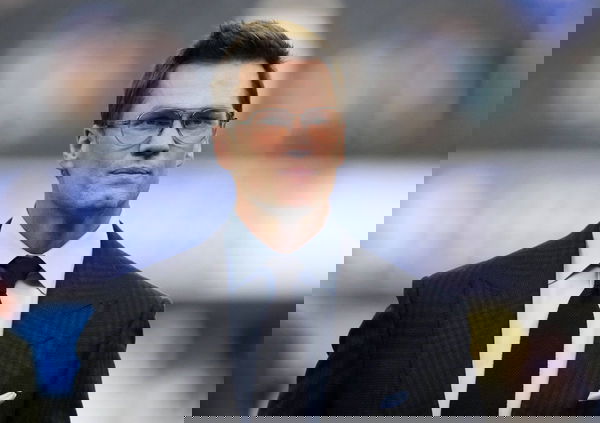
NFL, American Football Herren, USA Detroit Lions at Los Angeles Rams Dec 14, 2025 Inglewood, California, USA Fox broadcaster Tom Brady is seen prior to the game between the Detroit Lions and the Los Angeles Rams at SoFi Stadium. Inglewood SoFi Stadium California USA, EDITORIAL USE ONLY PUBLICATIONxINxGERxSUIxAUTxONLY Copyright: xKirbyxLeex 20251214_rgo_al2_060
Imago
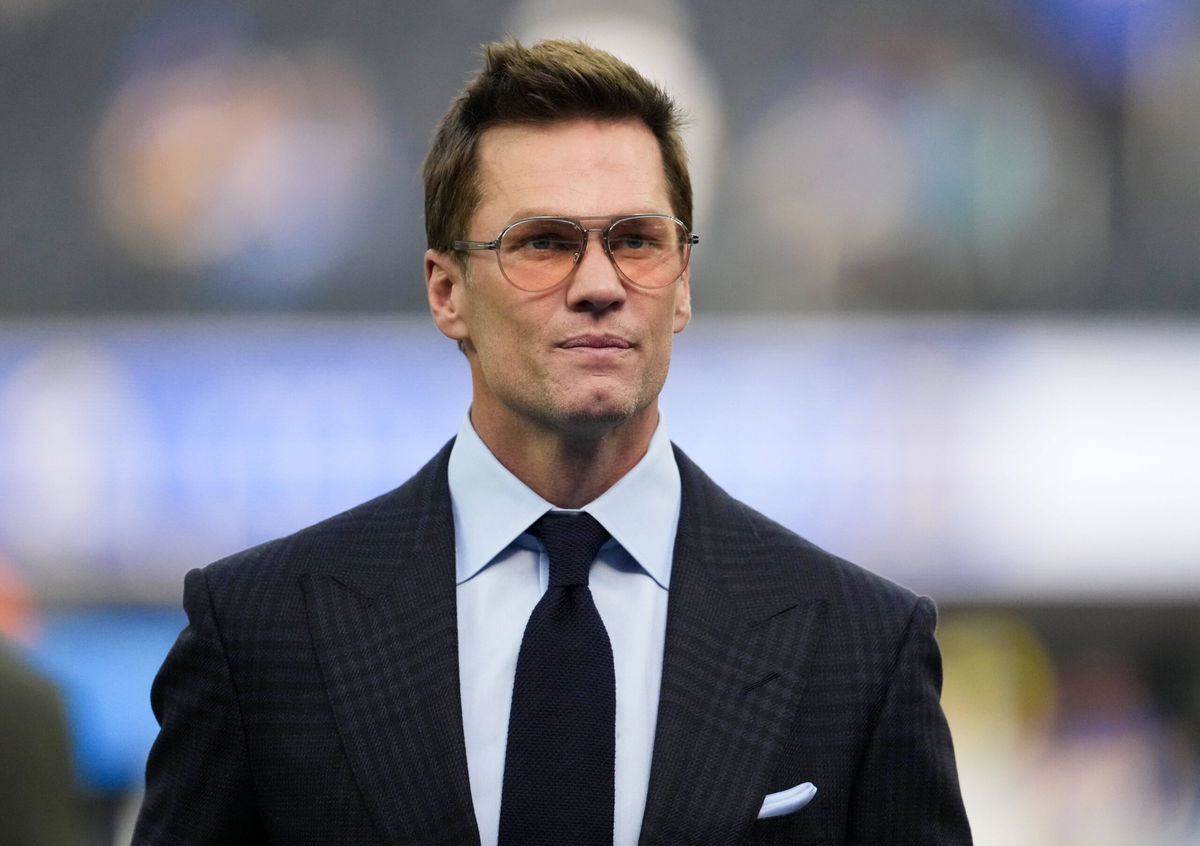
NFL, American Football Herren, USA Detroit Lions at Los Angeles Rams Dec 14, 2025 Inglewood, California, USA Fox broadcaster Tom Brady is seen prior to the game between the Detroit Lions and the Los Angeles Rams at SoFi Stadium. Inglewood SoFi Stadium California USA, EDITORIAL USE ONLY PUBLICATIONxINxGERxSUIxAUTxONLY Copyright: xKirbyxLeex 20251214_rgo_al2_060
Imago
NFL, American Football Herren, USA Detroit Lions at Los Angeles Rams Dec 14, 2025 Inglewood, California, USA Fox broadcaster Tom Brady is seen prior to the game between the Detroit Lions and the Los Angeles Rams at SoFi Stadium. Inglewood SoFi Stadium California USA, EDITORIAL USE ONLY PUBLICATIONxINxGERxSUIxAUTxONLY Copyright: xKirbyxLeex 20251214_rgo_al2_060
Imago
NFL, American Football Herren, USA Detroit Lions at Los Angeles Rams Dec 14, 2025 Inglewood, California, USA Fox broadcaster Tom Brady is seen prior to the game between the Detroit Lions and the Los Angeles Rams at SoFi Stadium. Inglewood SoFi Stadium California USA, EDITORIAL USE ONLY PUBLICATIONxINxGERxSUIxAUTxONLY Copyright: xKirbyxLeex 20251214_rgo_al2_060
Essentials Inside The Story
- Bank of America’s downgrade exposes Fox’s precarious multi-billion-dollar NFL dependency.
- Lachlan Murdoch prepares to shed sports assets for football permanence.
- A reckoning looms for non-premium leagues as NFL captures budgets
Tom Brady may have left the field, but his shadow looms over Fox’s balance sheet. In 2022, Fox committed $375 million over 10 years to make Brady its lead NFL analyst, the richest broadcasting deal in sports history. Now, with the NFL preparing to renegotiate media rights that could push collective costs well beyond $9 billion annually, that bet looks like just one piece of a much larger wager Fox is making on football.
Watch What’s Trending Now!
Bank of America recently downgraded Fox’s stock from “buy” to “underperform” on the charts, a verdict that underlines just how reliant the network has become on a single product. Among all four NFL rights holders (Fox, Disney, Comcast, and Paramount), Fox is deemed the most exposed, leaning on NFL games to drive advertising revenue, retransmission fees, and direct-to-consumer growth.
“It is our view that an accelerated NFL media rights negotiation would immediately place financial and strategic pressure on Fox,” Bank of America’s analysts wrote.
The NFL’s fingerprints are all over that dependency; the league posted its best regular-season viewership since 1989 and nearly broke another Super Bowl audience record. That’s inventory no cable network can replicate. Against this backdrop, Tom Brady’s $375 million contract feels less like a talent expense and more like Fox planting its flag on NFL turf for the next decade.
Fox is too reliant on NFL games to drive business, according to Bank of America, which has downgraded the company’s stock to “underperform.”
Bank of America believes an accelerated NFL media rights negotiation would “immediately place financial and strategic pressure” on $FOX.
— Front Office Sports (@FOS) February 25, 2026
On the other hand, the league renegotiating media rights is sure to take a massive chunk out of Fox’s corpus. In that regard, Fox executive chair and CEO Lachlan Murdoch seems to be bracing for what’s next already.

“It’s obviously tremendous, tremendous content for us. And they’ve (NFL) been a really fantastic partner,” Murdoch noted. “We have the ability to offset a portion of any kind of cost increases because we look at our sports portfolio as a whole. We would certainly consider balancing or rebalancing our portfolios as we move forward, when those opportunities become available. So we feel pretty comfortable about the sports business.”
That’s corporate shorthand for shedding other properties to protect football if the NFL rights costs rise. Football stays, and everything else is negotiable.
But Fox’s dilemma is really just the loudest alarm in a building where every tenant is facing the same fire. The NFL’s pricing power doesn’t just pressurize one network; it systematically drains the oxygen from every other sports property fighting for the same limited broadcast dollars.
When NFL wins, everyone else pays
Commissioner Roger Goodell has been steadfast in his quest to increase the league’s global footprint. To do so, it has already partnered with the likes of Disney, Amazon, YouTube TV, and more. But as networks gear up for a renegotiation that Goodell has signaled could begin as early as this year, the budget available for every other sports property is shrinking.
The league has also regained control of a four-game annual package, now selling it to the highest bidder. It’s a real-time pricing signal for what the next mega-deal could cost.
Univision’s global president of sports, Olek Loewenstein, recently laid it out bluntly: big changes are coming, and not everyone will be able to cope.
“Every single non-premium right in the U.S. is going to struggle,” Loewenstein said. “It’s going to be an inflection point for a lot of these rights holders, to a certain extent, in starting to deploy direct-to-consumer options.”
The NHL and PGA Tour are already moving early, holding preliminary talks with their broadcast partners before the NFL finalizes its asking price. Streaming giants like Amazon and Apple remain a potential avenue for the “non-premium” leagues, but these giants may not view non-NFL content as must-carry content. That creates a hard ceiling on how high rights fees could soar.
Now, fewer bidders means less leverage.
Less leverage means many leagues may find their rights are worth less than they were in the last cycle. The NFL isn’t just dominating ratings; it’s rewriting the terms for everyone else. For Fox, Tom Brady’s record deal was a bet on football’s permanence. But for leagues without that kind of pull, renegotiation season could be a reckoning.