
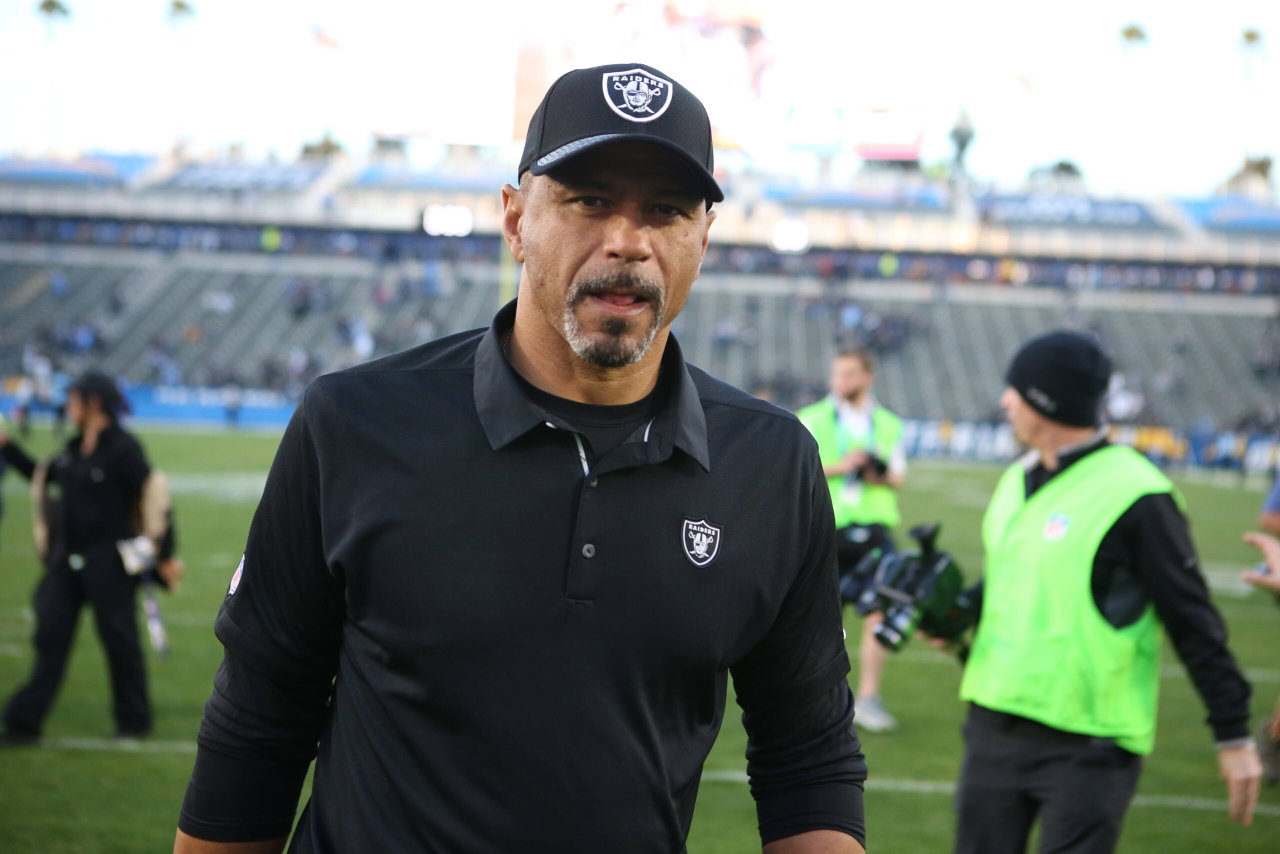
Former Baltimore Ravens hero Woodson is easily among the greatest defensive backs to have played in the NFL. He charted a long journey from Fort Wayne, Indiana, to get to the fame he currently enjoys. However, the journey to get there was not without some tragic hurdles.
Watch What’s Trending Now!
“The KKK tried to burn our house down when I was about 11,” Woodson said on The Craig Carton Show. “So, I woke up; it was like two in the morning. I looked up, and we only had a two-bedroom house. So, my mom and dad bedroom was right here, all three boys stayed in the other side of the other bedroom. I wake up, I look and I see this flickering, these lights outside of our window, and I’m like, ‘What the heck?’
“I looked, and our house is on fire, like right below our window. And I run in there. Tell my dad. I’m like, ‘Dad, our house is on fire.’ And so we all get out of the house. The fire department comes. They do an investigation. And we get a letter a week later from the KKK, saying, ‘If you guys don’t get your mixed-race b–ts out of this area, it’s going to happen again.’”
To make things worse, Woodson revealed that the Black Panthers, another activist group in America that aimed at black nationalism, targeted the Woodson family. They sent letters and calls to the 11-time Pro Bowler’s childhood house. Woodson’s father was African-American, while his mother was reportedly of German descent. The couple, according to Sports Illustrated, married in 1960.
Despite the threats and the arson attempt, Woodson and his family stayed in that same house throughout his childhood. They only moved to a different place when Woodson was in high school. Despite facing such treatment in life, he refused to be defined just by his racial background.
“I was taught to never back down,” Woodson told Sports Illustrated in 1992. “When you’re mixed, you have three options: stay in the middle, pick a side or stand on your own. My parents let me know I didn’t have to pick a side, because I always had a friend in my family. I learned to stand up for myself and to never be afraid.”
Jamie Woodson, Rod’s older brother, in an interview with NFL Films, noted that growing up was tough for the siblings. They had many “altercations” with the kids in the neighbourhood, being one of the few mixed-race children. Rod even recalled his mother being attacked on the street out of nowhere when he was younger.
“I just really didn’t understand why everybody was so mad at us,” Jamie lamented, who also turned a little emotional. But Rod Woodson’s legendary run in the NFL might have helped soothe the pain the brothers faced while growing up.
Through 17 seasons, he intercepted 71 passes, recorded 1,050 solo tackles, and 13.5 sacks. He also won the AP Defensive Player of the Year award in 1993 and won the Super Bowl XXXV with the Ravens. In 2009, he was finally inducted into the Pro Football Hall of Fame.
Woodson used to play tackle football in the streets as a child. He leaned on that tenacity when he was drafted by the Pittsburgh Steelers in 1987. Woodson told The Athletic that then-head coach Chuck Noll had instructed him that he wouldn’t play if he couldn’t tackle. The famed DB said, “We don’t have to worry about that.”
The very streets that caused the Woodson brothers pain eventually created a hero.
Surviving a terrifying childhood arson attack by the KKK and threats from both sides of a divided era could have easily derailed a young Rod Woodson. Instead, the Hall of Famer stood his ground and forged a fearless legacy both on and off the field.