
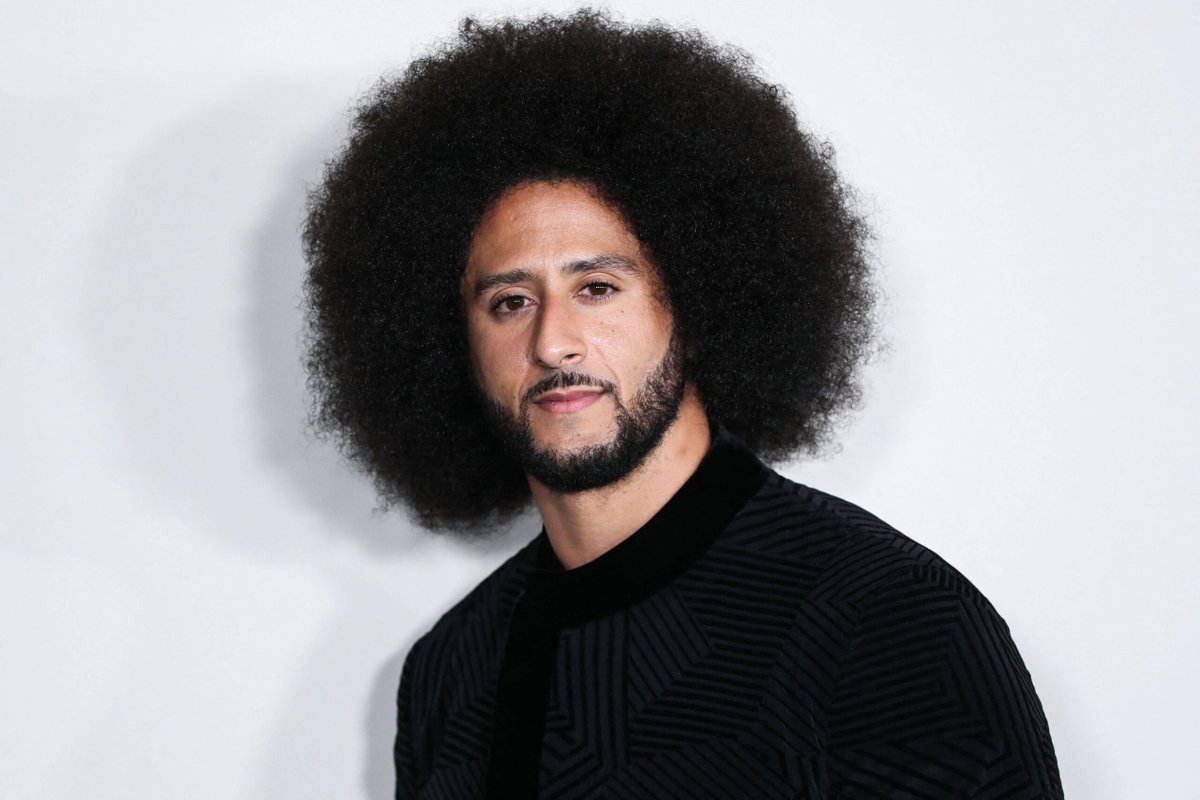
Before Colin Kaepernick and Brandon Marshall stood together during the 2016 national anthem protests, their relationship had already been established at the University of Nevada. Marshall was also the person who introduced the quarterback to fraternity life, helping build a friendship that continued long after their college football days.
Watch What’s Trending Now!
When Kaepernick began protesting racial injustice and police brutality, Marshall became one of the NFL players who joined him. But supporting his former teammate came at a professional cost. During an appearance on The Pastor’s Pod, Kaepernick recalled what Marshall had to face for participating in the movement.
“He also lost endorsements. He also was targeted and attacked.”
Marshall’s decision to kneel during the national anthem before the Denver Broncos‘ 2016 season opener against the Carolina Panthers had immediate consequences. That year, on September 9, Air Academy Federal Credit Union announced that it was ending its endorsement with the linebacker. Three days later, telecommunications company CenturyLink followed suit, leaving Marshall without two commercial partnerships in less than a week.
The reaction extended beyond lost sponsorships. Marshall later revealed that he received a threatening letter. He also recalled someone coming to the Broncos’ facility and burning an item bearing his name.
Speaking to Complex in 2020, Marshall described the experience and recalled the endorsement deals he had lost.
“I received a letter, a threatening letter. Somebody was saying they were going to put me in a wheelchair, call me all kind of N-words, and derogatory terms…Somebody came to my facility and burned one of my jerseys. And I lost two endorsements.”
Marshall subsequently clarified that he was unsure whether the burned item was a shirt or a jersey. He named CenturyLink and said he believed Air Academy Federal Credit Union was the other company that had dropped him.
Marshall had made his intentions clear immediately after the Broncos’ season opener. He said his decision was not intended to disrespect the military, police, or the country. Instead, he wanted to use his platform to highlight social injustice.
“I’m not against the police. I’m not against the military. I’m not against America. I’m against social injustice.”
The Broncos organization did not uniformly turn against Marshall. Head coach Gary Kubiak publicly supported his right to make the decision, and Marshall later recalled receiving support from Kubiak, the team’s public relations representative Patrick Smyth, and several teammates. He said most of the support he received came from players in the locker room.
Kaepernick also emphasized that Marshall understood the responsibility he believed came with speaking out, despite the potential consequences.
“But he also knew the responsibility that we had. And to me, those become spaces where we build that sense of agency, that sense of it doesn’t matter what we face. We’re going to go out there, and we’re going to overcome it. We’re going to continue to push forward.”
Marshall’s experience was part of a wider backlash surrounding Kaepernick’s protest. The former San Francisco 49ers quarterback initially sat during the national anthem in the 2016 preseason before beginning to kneel, eventually prompting other athletes across professional sports to join the movement.
Marshall continued kneeling during the national anthem for the Broncos’ first eight games of the 2016 season before announcing that he would stand for the remainder of the year. The endorsement losses, however, were not the end of the story. After losing the two partnerships, he received a new endorsement opportunity from Russell Simmons’ RushCard. Marshall summed up the outcome by saying he had lost two endorsements but gained one.