
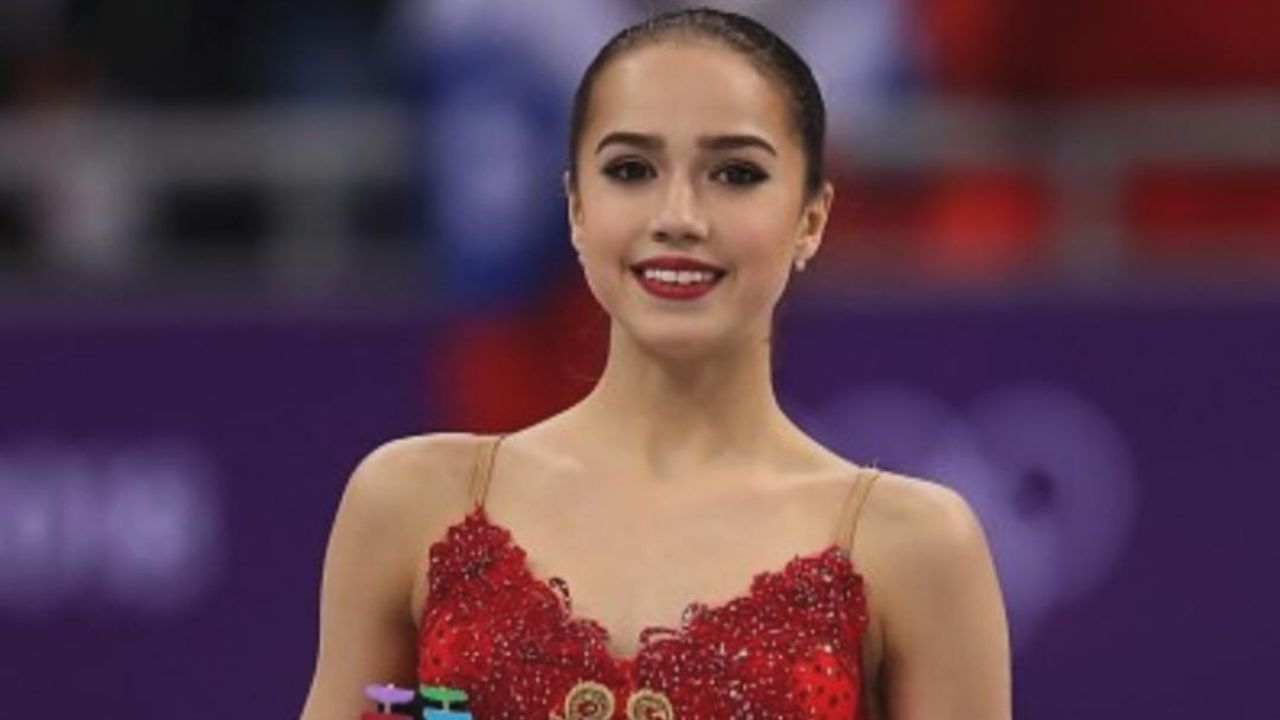
For Alina Zagitova, becoming an Olympic champion meant mastering the technical demands of figure skating at an unusually young age. The Russian star won Olympic gold at just 15 during the 2018 PyeongChang Games, but getting there also meant living under strict control over what she ate and how much she weighed.
Watch What’s Trending Now!
Years later, Zagitova has offered a glimpse into that part of her career, recalling the frustration of sharing training facilities with hockey players who could enjoy foods that were off-limits to her. Her comments also show how much her relationship with food and her body has changed since she stepped away from competitive skating.
“We lived in the same building, ate in the same cafeteria, and there were two zones,” speaking on Nornickel’s ‘Out of Format’ podcast, Alina Zagitova recalled. “In one: caviar, pasta, pizza, a lot of things that were banned for us. In the other zone: salad, everything boiled, steamed… I was mad at the hockey players for this all the time.”
For Zagitova, the restrictions were about more than simply missing out on pizza or pasta. Figure skating is a physically demanding sport, and even a small change in weight could affect how a move is executed.
“Physics works very well,” she added. “If you gain weight, some elements might not work out.”
Her comments offer a look at a side of elite figure skating. For skaters, body weight can influence the mechanics of jumps, while the pressure to maintain a particular physique can become part of everyday training.
Zagitova has previously spoken about just how closely her weight was monitored during her competitive years. In a 2022 conversation with Lyaysan Utiasheva, she recalled being weighed regularly and said she was 42.5 kilograms at the 2018 Olympics while standing 1.56 meters tall.
It became more stressful after her Olympic triumph. Zagitova recalled gaining around a kilogram during the off-season, something that might seem insignificant outside elite sport but became a source of anxiety for the young champion. She has spoken about trying extreme measures to bring her weight back down.
With time, however, Zagitova has looked back at that period differently. She has also discussed the insecurities she experienced during puberty and the difficulty of watching her body change while competing at the highest level. Her parents, she said, helped her through that period and encouraged her to accept those changes.
Her approach to food now appears far removed from the restrictions of her teenage skating career. In more recent interviews, Zagitova has described eating intuitively and said she no longer has specific “forbidden” foods. In September 2025, she even joked that cola remains her biggest weakness.
Zagitova has built a life beyond competitive skating
Zagitova was only 15 when she entered her first senior season in 2017-18, but she quickly established herself among the sport’s biggest names. She won Grand Prix events, the Grand Prix Final, and the Russian national title before defeating longtime rival Evgenia Medvedeva at the European Championships.
Then came PyeongChang. Zagitova first helped the Olympic Athletes from Russia win silver in the team event before producing a record-setting short program in the individual competition. In the free skate, she famously placed all seven of her jumping passes in the second half of the routine, taking advantage of the scoring rules at the time.
On February 23, 2018, the teenager became an Olympic champion. The victory turned Zagitova into one of the biggest young stars in figure skating. She later added a World Championship title in 2019, completing the major ISU titles and cementing her place among the sport’s most decorated skaters of her generation.
But the demands of competing at that level eventually took their toll. By the end of 2019, Zagitova announced a break from competitive skating. She has not returned to competition as of 2026.
The possibility of returning has crossed her mind, though. In 2021, she admitted that she sometimes imagined herself back on the ice and remembered what it felt like to compete.
“A lot,” she said when asked whether she had ever wanted to return.
Still, her life has gradually moved in a different direction. Zagitova has remained closely connected to figure skating through television work, commentary, ice shows and exhibitions. She has also pursued journalism studies, giving herself opportunities outside the competitive environment that defined her teenage years.
That does not necessarily mean the ice is completely behind her. But the Zagitova who now talks about food and body image is different from the teenager who felt the need to worry about every kilogram before a competition.