
Australian HYROX athlete Joanna Wietrzyk has finally spoken about the social media backlash she faced after an unusual incident during a competition in Beijing. The 24-year-old became the centre of a major controversy after she suffered a sudden bowel emergency during the race. However, she continued competing and eventually crossed the finish line first.
Watch What’s Trending Now!
Her decision to continue sparked criticism, as she kept using equipment that other athletes also had to share.
In her first interview since the incident, published by BBC News on October 29, 2026, Wietrzyk admitted that she made the wrong decision by continuing the race. However, she also questioned the level of criticism she received online, calling social media a “very toxic place.
“Yes, I did make the wrong decision, but I don’t believe I should have received such backlash and such scrutiny online. At the end of the day, I’m only human, so I did make the wrong decision, and obviously I did put other people at risk,” she said.
The 24-year-old’s experience opened her eyes to how people react on social media, especially when an athlete makes a mistake. She also spoke about the comments, photographs, and different opinions that people shared about the incident.
“But by all means, there was so much support to make sure that I was okay. But the other side of it, the negative side of it, it just shows that social media can be a very toxic place,” Wietrzyk added.
The incident took place during a HYROX competition in Beijing, China, on September 12, 2026. Wietrzyk, an elite athlete who holds the women’s solo Pro world record, entered the competition with a goal to win.
However, things took an unexpected turn around halfway through the race. The Australian athlete suddenly suffered from diarrhoea and lost control of her bowels while competing.
“It was a very, very sudden experience that happened, and it wasn’t until about halfway through the race where everything did transpire and I did feel really, really bad,” Speaking to the BBC, Wietrzyk explained. “And I started that race with the intention of finishing the race and winning, and when everything did happen during the race, that was still my intention,” she added.
Wietrzyk eventually completed the race and crossed the finish line first. However, videos and photographs of her continuing with faecal matter on her legs soon spread across social media.
What started as an embarrassing moment quickly turned into a major controversy.
The main issue was not simply that Wietrzyk suffered an embarrassing medical emergency. She decided to continue competing despite the hygiene risks.
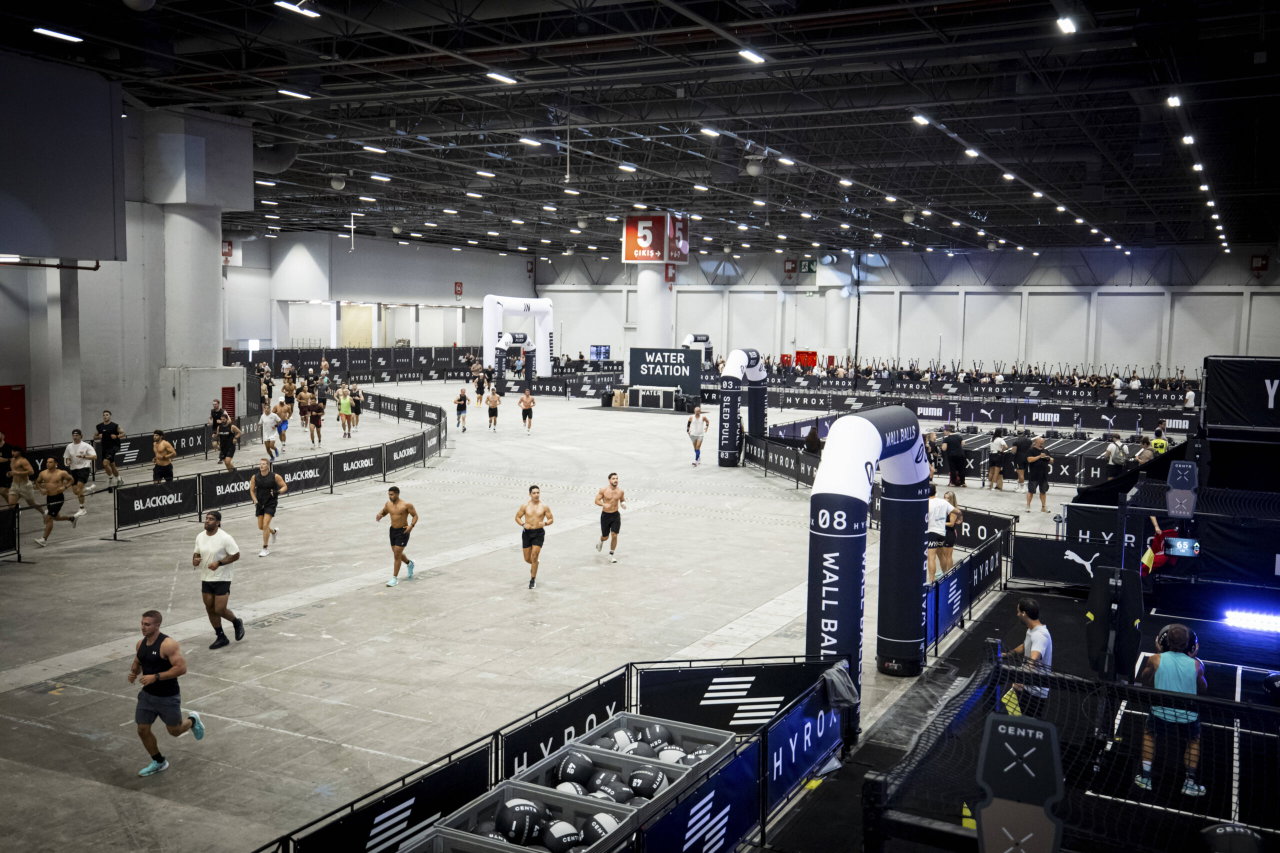
HYROX is an indoor fitness competition that includes eight one-kilometre running sections and eight workout stations. These stations include sled pushes, sled pulls, burpee broad jumps, rowing, farmers’ carries, sandbag lunges and wall balls.
Athletes use the same workout areas and equipment during the competition. This meant Wietrzyk’s decision to continue raised concerns about the health and safety of other competitors.
She continued performing exercises and using shared equipment despite being visibly soiled. Other athletes also had to use the same stations after her.
The incident quickly became a major talking point on Chinese social media. Several users questioned why she was allowed to continue. Others also criticised the organisers for not stopping her.
One competitor, who posted under the name johopalooza on Instagram, also raised concerns about the incident.
“For people who were exposed to that situation, there could be genuine physical and psychological consequences,” the competitor wrote.
They also questioned the organisers’ responsibility, adding, “I paid HYROX to provide a professionally organised and safe event.”
The competitor made it clear that they understood Wietrzyk’s situation. However, they believed HYROX had a responsibility to protect everyone taking part in the competition.
Joanna Wietrzyk apologises as HYROX Co-Founder accepts responsibility
Wietrzyk later realised that her decision had affected more people than just herself.
“I didn’t really think about those around me, which looking back and looking back at the decision that I made in hindsight was the wrong decision. And I’m truly sorry for everyone that I did affect in that situation,” she admitted during her BBC interview.
The BBC interviewer also directly asked her whether she believed she had put other people at risk.
“Yeah, I believe that I put people at risk in that situation,” she responded.
Wietrzyk had also issued a public apology on September 17 through her Instagram account.
“Looking back, I regret the decision to not have stepped off the track. I recognise that I should have made a different choice,” she wrote in that statement.
She also announced that she would withdraw from the Beijing race retrospectively and give up the points she earned from her victory.
The criticism was not limited to Wietrzyk. HYROX organisers also faced questions about why they allowed the athlete to continue despite the clear hygiene concerns.
HYROX co-founder Moritz Fürste addressed the controversy through an Instagram statement.
“HYROX made a mistake by not reacting immediately during the race,” Fürste said.
“In the end it is my job to foresee these potential incidents — and I did not,” he added.
Following the controversy, HYROX changed its competition rules. Under the updated procedures, a race director can now remove an athlete on medical grounds if their blood, vomit, urine or faeces creates a health or contamination risk for themselves or other competitors.
HYROX China also confirmed that it isolated and disinfected the affected area after the incident. The organisation said it removed the equipment involved and would replace the venue flooring.
Interestingly, Wietrzyk was not the first elite athlete to face an embarrassing bowel-related incident during a major competition.
American triathlete Taylor Knibb experienced something similar during the T100 World Championship race in Dubai in 2024. She also soiled herself during the running section but decided to continue competing.
However, her reaction was quite different from the HYROX controversy.
As reported by Outside magazine, Knibb told the camera operator following her, “I just shit myself.” She then asked the cameraman not to show the incident from behind.
Knibb’s experience also became a talking point online. However, there was one major difference between the two incidents.
A triathlon does not require athletes to repeatedly use the same indoor workout equipment as other competitors. In HYROX, athletes share workout stations and equipment throughout the race.
This is why Wietrzyk’s decision created additional hygiene and safety concerns beyond the embarrassment of experiencing such an incident during a competition.