
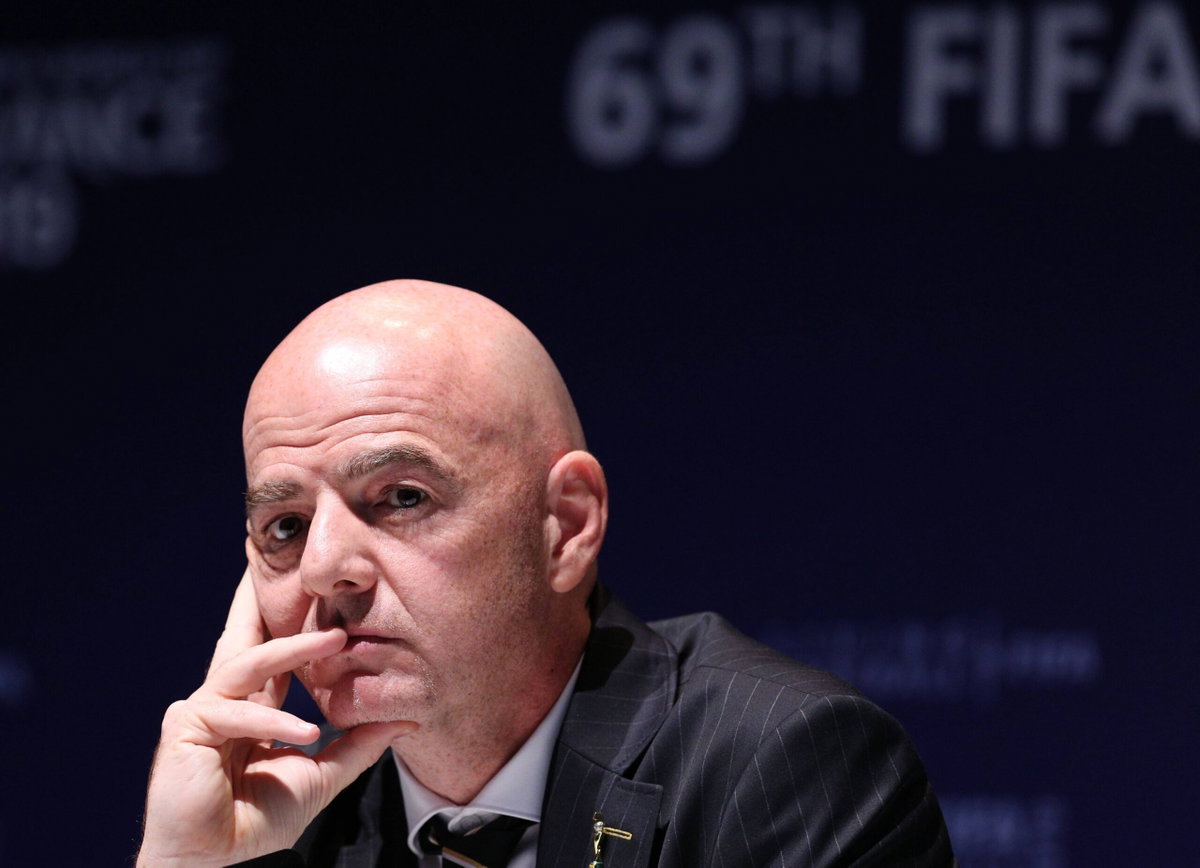
FIFA was already under pressure following the collapse of its controversial $4.2 billion plan to sell a stake in its World Cup business. The failed deal has also put president Gianni Infantino under the spotlight, with a US congressional investigation examining the proposal and lawmakers preparing to push the inquiry further in January. Now, as if that wasn’t enough, FIFA is facing another setback after confirming that it was targeted in a criminal cyberattack.
Watch What’s Trending Now!
On November 26, FIFA confirmed the cyberattack after reports emerged that hackers had accessed and stolen internal documents. The governing body did not disclose exactly when the breach occurred, how many people were affected, or the full nature of the information accessed. However, it confirmed that personal and business information had been compromised.
“FIFA can confirm that it has been the victim of a criminal cyberattack resulting in unauthorised access to a limited set of personal and business information,” a FIFA spokesperson told Reuters. “Such actions constitute a serious and unacceptable violation of privacy and can have significant consequences for the individuals concerned.”
A group calling itself the Handsome Boy Hacking Club has claimed responsibility for the attack. It first posted a screenshot of what it claimed were FIFA files on X on November 19. Three days later, the group appeared to take credit for the breach after reports emerged that more than 12GB of internal documents had been stolen. The hackers claimed the material included identity and immigration records, financial information, legal documents, and internal governance files. However, FIFA has not confirmed the claimed volume or full contents of the stolen material.
Reports citing sources familiar with the incident suggest that the attackers gained access by impersonating FIFA staff members rather than exploiting a technical weakness in the organisation’s systems. According to The Guardian, the breach is understood to have taken place on November 11, although FIFA has not publicly confirmed the date.
FIFA Secretary General Mattias Grafström also informed members of the FIFA Council about the incident in a letter dated November 25. He said the attack had “resulted in information being illegally obtained which included data relevant to the personal profiles of key officials including Fifa Council members attending Fifa tournaments and events”. Grafström added that FIFA had “taken mitigating and corrective steps” and said affected members would be contacted individually where necessary.
Reuters separately reported, citing a person familiar with the matter, that less than 0.1% of FIFA’s total data had been affected. he source also said that files connected to the abandoned FIFA Forward Enterprise project had not been accessed during the attack. This is worth noting given that the proposed investment plan is at the centre of the separate US congressional investigation into Infantino.
The proposed investment was one of FIFA’s most controversial business plans this year. Known as FIFA Forward Enterprise (FFE), the project involved creating a new company to manage commercial rights for FIFA competitions, including the World Cup. Infantino’s plan was to sell a 20% stake in the business to private investors and raise as much as $4.2 billion.
Thrive Capital, led by Joshua Kushner, was expected to lead the investment. The connection attracted further attention because Joshua is the brother of Jared Kushner, Trump’s son-in-law. However, the proposal faced strong criticism after details emerged publicly in July. Questions were raised about the lack of transparency surrounding the deal and the potential political connections involved. FIFA eventually abandoned the plan following the backlash, but the decision did not end the questions surrounding the proposed investment. Those questions have since become the focus of a US congressional investigation.
Jamie Raskin steps up FIFA investigation as Infantino faces possible congressional Subpoena
On November 26, 2026, reports revealed that the office of Democratic Representative Jamie Raskin contacted current and former FIFA employees, asking them to take part in voluntary interviews. The inquiry could take a more serious turn in January, when lawmakers may begin using subpoena powers to compel witnesses to provide evidence, potentially including FIFA president Gianni Infantino.
The investigation was first announced on July 26, 2026, when Raskin, the ranking Democrat on the House Judiciary Committee, wrote to Infantino over what he described as mounting evidence of corruption and a possible exchange of favors between FIFA and the Trump administration. He questioned whether FIFA had sought favourable treatment from the administration, pointing to the dismissal of high-profile corruption cases, the organisation’s decision to rent office space in Trump Tower and its decision to award Donald Trump the first FIFA Peace Prize. Raskin also questioned whether these actions were connected to FIFA’s efforts to advance its business interests in the United States.
Raskin’s letter also raised concerns about World Cup ticket prices and requested documents relating to any gifts, payments or benefits provided to Trump and his associates. He sought visitor records from FIFA’s Trump Tower office, information about the organisation’s ticketing practices and a transcribed interview with Infantino.
Announcing the investigation, Raskin said: “The most recent quid pro quo that FIFA and President Trump orchestrated is not a victimless crime. It hurts Americans.” He also wrote that Infantino’s actions “appear designed to induce President Trump and his Administration to make decisions in FIFA’s favour”.
The investigation could now gain further momentum as Democrats prepare to take control of the House of Representatives in January 2027. Reports suggest the committee may issue subpoenas to FIFA officials and other people familiar with the proposed investment, requiring them to provide documents and answer questions. Infantino could also be called to testify about the abandoned deal and FIFA’s relationship with the Trump administration. However, no subpoena has yet been issued requiring him to appear before Congress.
Infantino has previously defended his relationship with Trump and denied wrongdoing over the proposed investment plan. He has also acknowledged that FIFA did not communicate and consult properly about the project. Although the proposed stake sale was abandoned, the questions surrounding it remain. Now, with FIFA also dealing with a confirmed cyberattack, the organisation faces scrutiny on two fronts, putting Infantino’s leadership and FIFA’s business decisions back under the spotlight.