
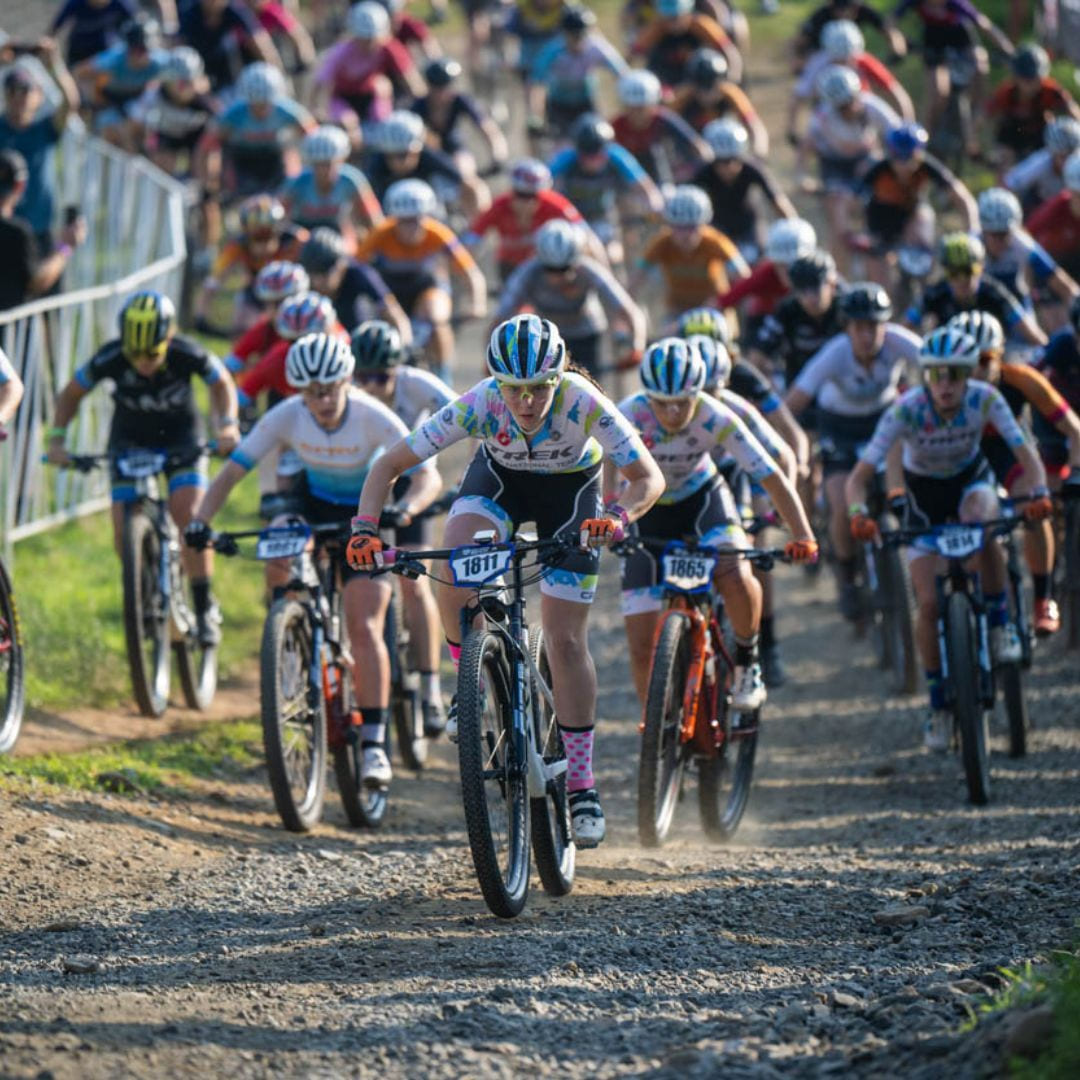
The loss of a life is never easy. And April 4 was meant to be anything but somber. More than 14,000 riders had gathered to take on ‘We Ride Flanders’, the amateur cycling event where riders tackle the same climbs and route as the professional ‘Tour of Flanders’. But somewhere along the 247-kilometer route, the news of a tragedy involving a 51-year-old rider emerged, giving a painful turn to the event.
Watch What’s Trending Now!
A 51-year-old British cyclist, whose name remains undisclosed, was riding alongside his son when he suddenly collapsed from his bike. This coincidentally happened on his way to Hotond, the longest climb in Flanders (This stretch comes late in the ride when the rider’s fatigue sets in).
A mobile medical team received the alert within moments and rushed to the scene. They began efforts to revive him immediately on the roadside, and for a brief period, hope remained. As event organiser, Gert Van Goolen spoke about how quickly the situation unfolded:
“We received a report that a man had fallen off his bike, and it wasn’t a normal crash; a medical team was quickly on the scene and was able to resuscitate him,” Van Goolen said in a statement to Radio 1.
But despite those efforts, he was pronounced dead at the scene. According to reports, the cause of death is suspected to be a cardiac arrest.
As per Goolen, the organisers are in incredible pain after this passing. Reflecting on the tragedy, he added, “This is the last thing you want as an organization. You hope that 14,000 people can have a nice day here, and you know there are risks, but you really don’t want this.”
Imago
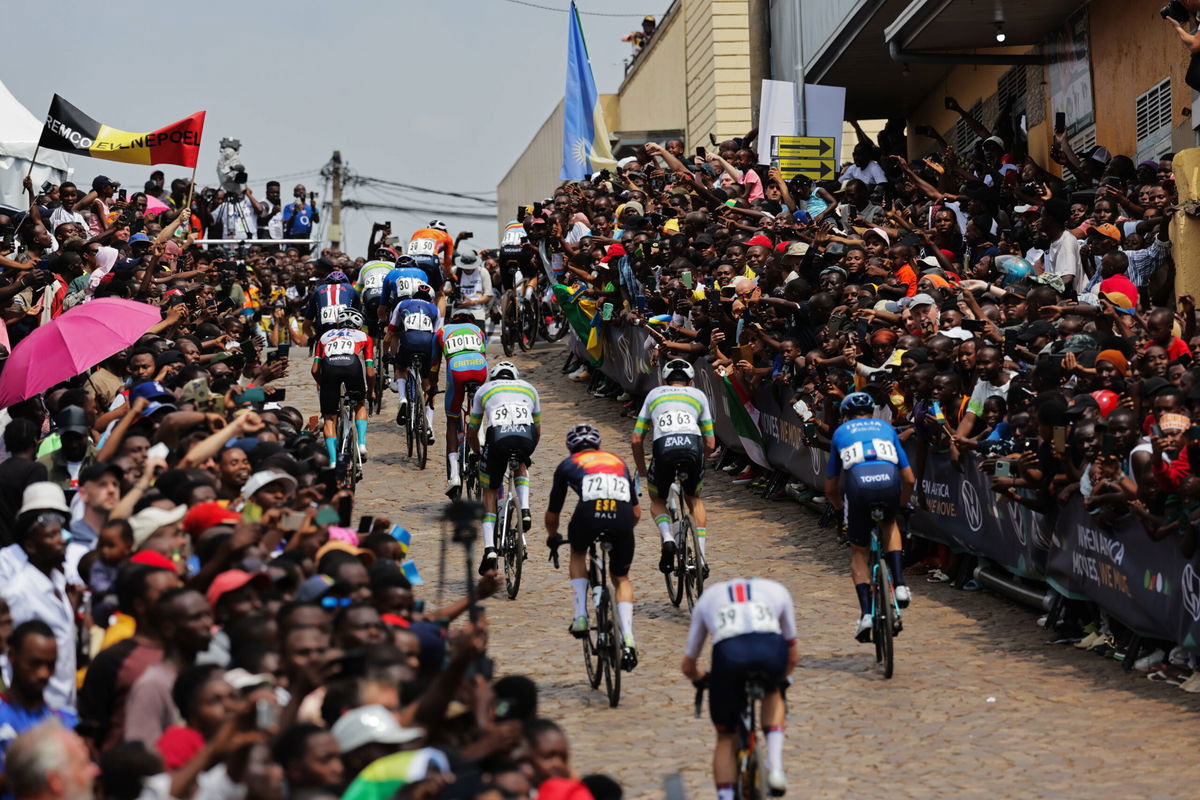
2025 UCI Road World Championships Picture by Alex Whitehead/SWpix.com – 28/09/2025 – Cycling – 2025 UCI Road World Championships – Kigali Convention Centre, Kigali, Rwanda – Men Elite Road Race – Michael Matthews Australia, Jay Vine Australia, Amanuel Ghebreigzabhier Eritrea, Afonso Eulalio Portugal climbing the Mur de Kigali Copyright: x xSWpix.comxt/axPhotographyxHubxLtdxAlexxWhitehead/SWpix.comx SWP-3030-8680
The tragedy has since drawn attention from doctors and organizers alike, prompting new calls for better health screening among amateur cyclists.
The Association of Sports and Medical Examination Doctors (SKA) is urging event organizers and federations to direct participants to sportkeuring.be when registering or renewing memberships.
“Of course, even the best examination does not guarantee that nothing can go wrong after a ‘go’, but the risk is still limited,” the association said, referring to its online questionnaire, which helps recreational athletes decide whether they need a physical exam.
The doctors issued their appeal after the mass cycling event in Flanders, where medical teams resuscitated two other participants.
While SKA acknowledges it is unclear whether a preventive check could have avoided the latest death, it views the incident as a reminder of why fitness screenings are vital, particularly for those who have not undergone one in the past three years.
Not to mention, the day’s events did not end there, as two other cyclists faced serious medical emergencies.
Multiple cyclists face medical emergencies as tragedy strikes
During the same event, medical teams responded to two other serious emergencies. A 57‑year‑old Dutch participant collapsed mid‑ride, but medical staff resuscitated him on the course and took him to the hospital.
Later, a second British cyclist collapsed on the Oude Kwaremont climb. Medical staff acted quickly, revived him, and transported him to the hospital. Similar incidents have occurred at this event in the past.
In the 2025 edition of We Ride Flanders, two cyclists lost their lives. One was a Dutch competitor who collapsed at the Taaienberg climb because of a heart attack. Despite immediate rescue, he did not survive.
The other victim was 45‑year‑old former professional cyclist Stéphane Krafft. He collapsed during the Oude Kwaremont climb, and despite immediate rescue efforts and an airlift to the hospital, unfortunately, he later passed away.
In 2025, another cyclist collapsed on the Eikenberg climb at the same event, but rescuers managed to revive him and take him to the hospital in stable condition. After several serious incidents in recent years, these episodes have fueled growing concern about medical screening, emergency readiness, and rider safety at mass‑participation cycling events.
For now, it remains to be seen what steps event officials will take in response. Could this tragedy prompt changes to better prevent similar incidents in the future? Only time will tell.