
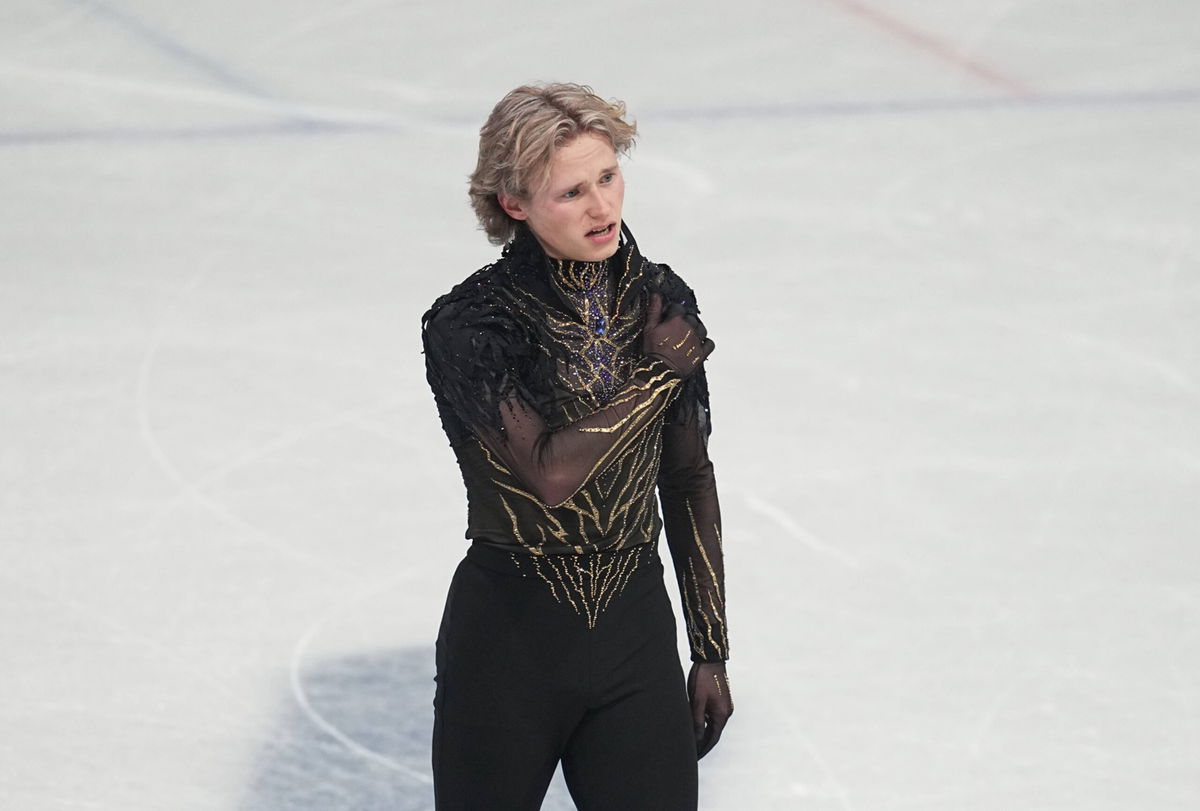
Ilia Malinin was the clear favorite to win gold in the 2026 Winter Games. But in the men’s free skate, it all went wrong when he popped the quad axel and tripped off the ice. Soon after his music ended, he covered his face, put his hands on his knees and shook his head while holding back tears. After all, he dropped from a near-lock for gold to eighth place. It was a moment he never wanted anyone to see, but NBC cameras captured his reaction right away. Now, three months later, he has criticized the media for focusing too much on that moment.
Watch What’s Trending Now!
Recently, in a conversation with The Minnesota Star Tribune, Malinin spoke about how athletes often need space after tough performances. “Their reasoning is that they want to see more personality, but the Olympics should be about the athletes,” he said, pointing to how coverage can sometimes miss the sport itself.
He added, “Even after what happened at the Olympics, they were constantly filming me even though they could have videoed the medalists. All they were doing was waiting for my reaction. There’s ways to avoid that and still get the right amount of attention for everyone,” Ilia said. But this pressure did not start at the Olympics.
But even before the Olympics, Malinin was seen as the dominant favorite after winning nearly every competition since November 2023. That level of expectation brought heavy pressure, with him admitting it felt like “so many eyes, so much attention” heading into the Games. And then in the men’s free skate, mistakes piled up in a performance marked by 72 deductions.
Imago
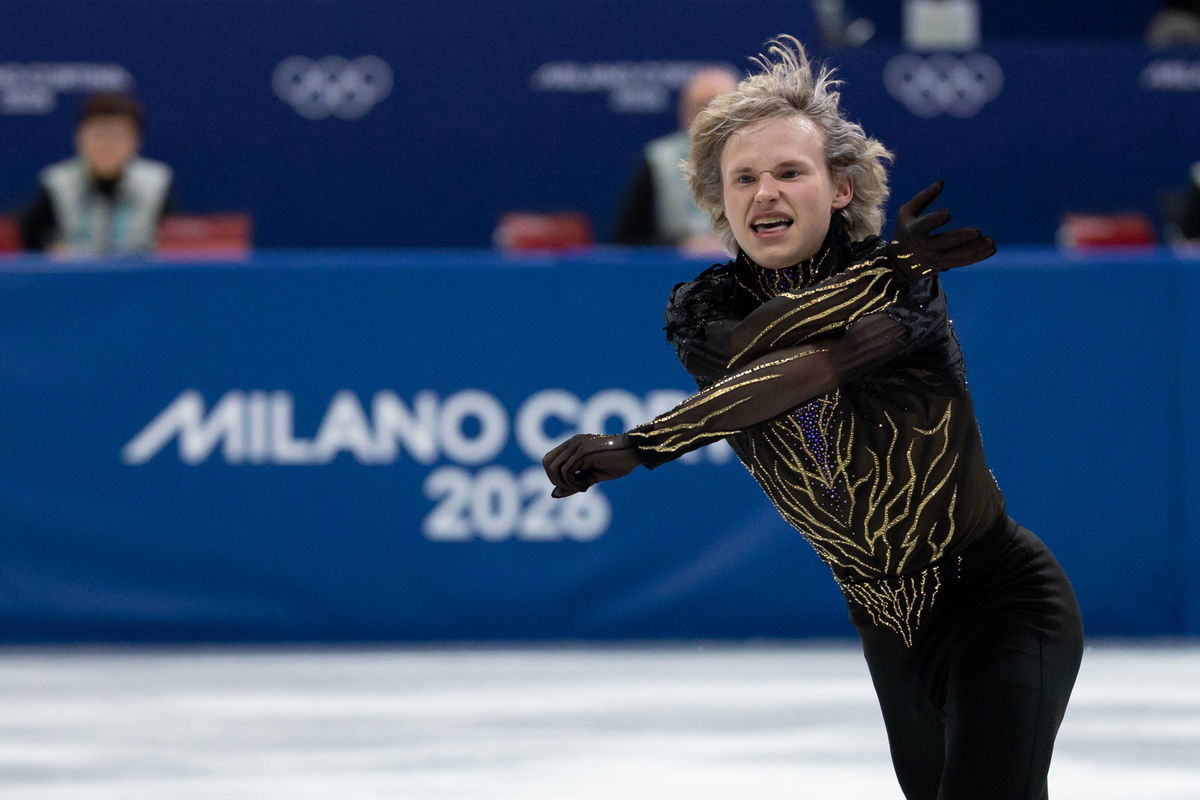
February 8, 2026, Cortina D ampezzo, Belluno, Italy: American Ilia Malinin USA performs a back flip in the Men Single Free Skating during the 2026 Winter Olympics at the Milano Ice Skating Arena on Sunday in Cortina d Ampezzo. 16 of 17 sequence Olympics 2026: Milano Cortina: Figure skating, Eiskunstlauf Team Men PUBLICATIONxINxGERxSUIxAUTxONLY – ZUMAj89_ 20260208_oly_j89_190 Copyright: xPaulxKitagakixJr.x
Afterward, Ilia Malinin also opened up about his mental state, describing “invisible battles inside” caused by intense Olympic pressure. Even before that, last year, he said to Olympics.com, “They think that we’re like robots and there to entertain, but really we’re all athletes and all of this takes mental challenges.”
Even though he missed the Olympics, Ilia Malinin bounced back strongly throughout the season. At the 2026 World Figure Skating Championships in Prague, he bounced back by winning his third straight world title. He went on to score 329.40 points and earned gold medals in both the short program and free skate. His return, however, also raised a bigger issue of privacy in sports, one that has also resurfaced recently with Coco Gauff’s time at the 2026 Australian Open.
Privacy concerns grow over Grand Slam media coverage after Gauff incident
The 2026 Australian Open post-match moment for Coco Gauff sparked a discussion on the issue of privacy in tennis. Cameras caught Gauff at a backstage area after she lost her quarterfinal match to Elina Svitolina, smashing her racket a few times. She thought she was in a private space, but it was all captured and aired.
Gauff later said, “Maybe some conversations can be had…I kind of have a thing with the broadcast. I feel like certain moments don’t need to broadcast,” pointing to how players often feel exposed even away from the court.
The tournament organisers of Wimbledon, the French Open and the US Open have started to take steps to change their policies as a result. These consist of pre-showing photos prior to live broadcast, marking of camera and non-camera areas such as players’ dining and recovery rooms.
WTA officials also acknowledged the issue as they said, “This is a very human and fair request athletes need spaces where they can recover and not feel constantly under scrutiny. Providing that space is part of our responsibility as a sport. The WTA is committed to listening to its players and acting on concerns like this.”
So, at the end, it shows that the media needs to find a better balance between telling the story of sport and giving athletes the space they need especially in their most emotional moments.