
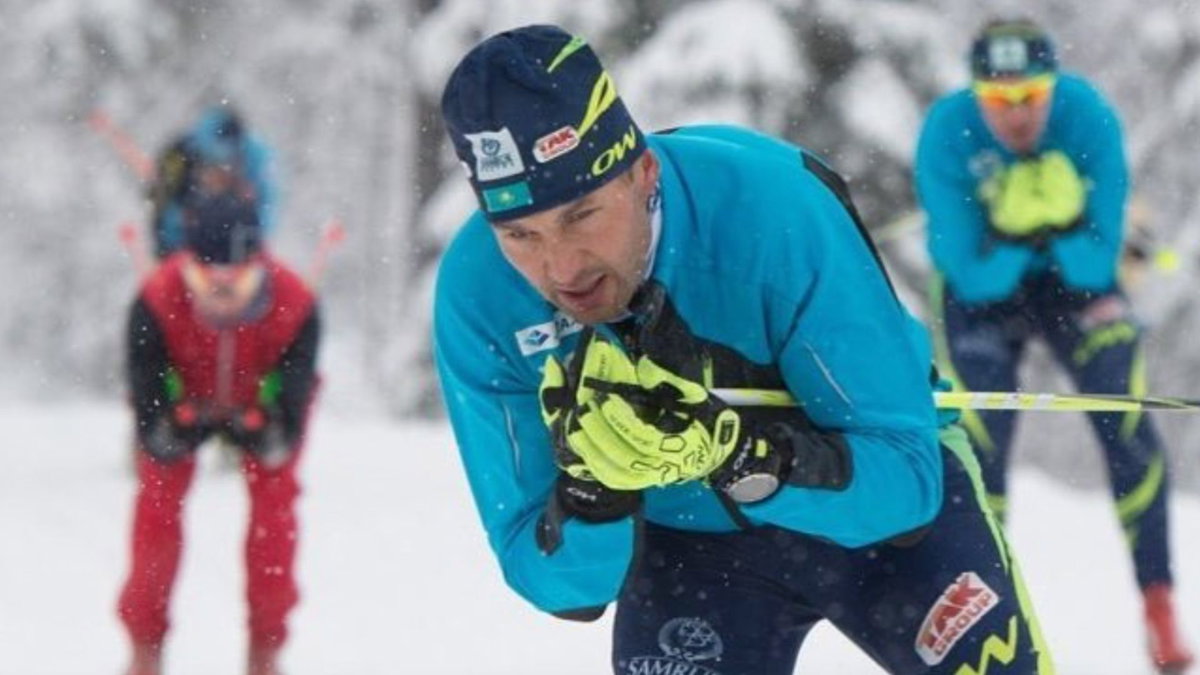
Andrus Veerpalu won gold at 38, an age when most skiers have already retired. Now, 16 years after that win in Liberec, new documents and a confession to Austrian authorities have put that result under serious question.
Watch What’s Trending Now!
As per the Estonian media reports, Andrus Veerpalu is suspected of blood doping before his 2009 World Championship gold in Liberec.
According to new information, Austrian middle-distance runner Stefan Matschiner reportedly told Austrian authorities that he helped Veerpalu with blood doping before those championships. Veerpalu has denied the accusations.
If proven, the accusations could taint his entire resume: two Olympic golds (2002, 2006), two World Championship golds (2001, 2009), and an Olympic silver.
Matschiner’s credibility, however, is compromised by his own doping history. The authorities found his name in the 2019 case “Operation Aderlass,” which was headed by Dr. Mark Schmidt from outside his clinic in Erfurt, Germany. The operation primarily involved skiers and cyclists. Dr. Schmidt was jailed for approximately five years. Many athletes also faced jail time, including Veerpalu’s son Andreas. Andrus, the coach at the time, was suspended for misconduct.
Veerpalu has faced doping allegations before. In 2011, he tested positive for growth hormone. In 2013, two years later, he appealed the decision, but it was upheld.
Not only his past wins but also his current role at the Ukrainian biathlon team, where he is head of the service, have all come under question.
The doping issue in the Olympics also affects sports other than skiing and has occurred before.
Medals and doping: A pattern in skiing
According to Britannica, across 30 Olympic Games spanning 56 years, the sport recorded 11 positive doping results, with 6 gold, 7 silver, and 1 bronze medal stripped from athletes.
One of the most direct examples came at the 2002 Winter Olympics in Salt Lake City, where Johann Mühlegg, competing for Spain, was disqualified for doping. As a result, he was disqualified from three events: the 10km combined pursuit, the 30km freestyle, and the 50km classical, losing every gold medal he had won at those games.
The data from Britannica also show that the 2002 Salt Lake City Games recorded 10 positive doping results, with 5 gold, 3 silver, and 1 bronze stripped. These were the same Games where Andrus Veerpalu won his first Olympic gold in the men’s 15 km classical cross-country skiing event.