
The relationship between Ukrainian and Russian athletes is not getting better anytime soon. A new controversy stirred up at the 2026 European Artistic Gymnastics Championships in Zagreb after the official draw of the competition raised a new issue for Ukraine. The qualification groups placed Ukrainian teams alongside Russian and Belarusian representatives. In response, the UGF sent a letter to the European Gymnastics President over the growing concerns surrounding the draw.
Watch What’s Trending Now!
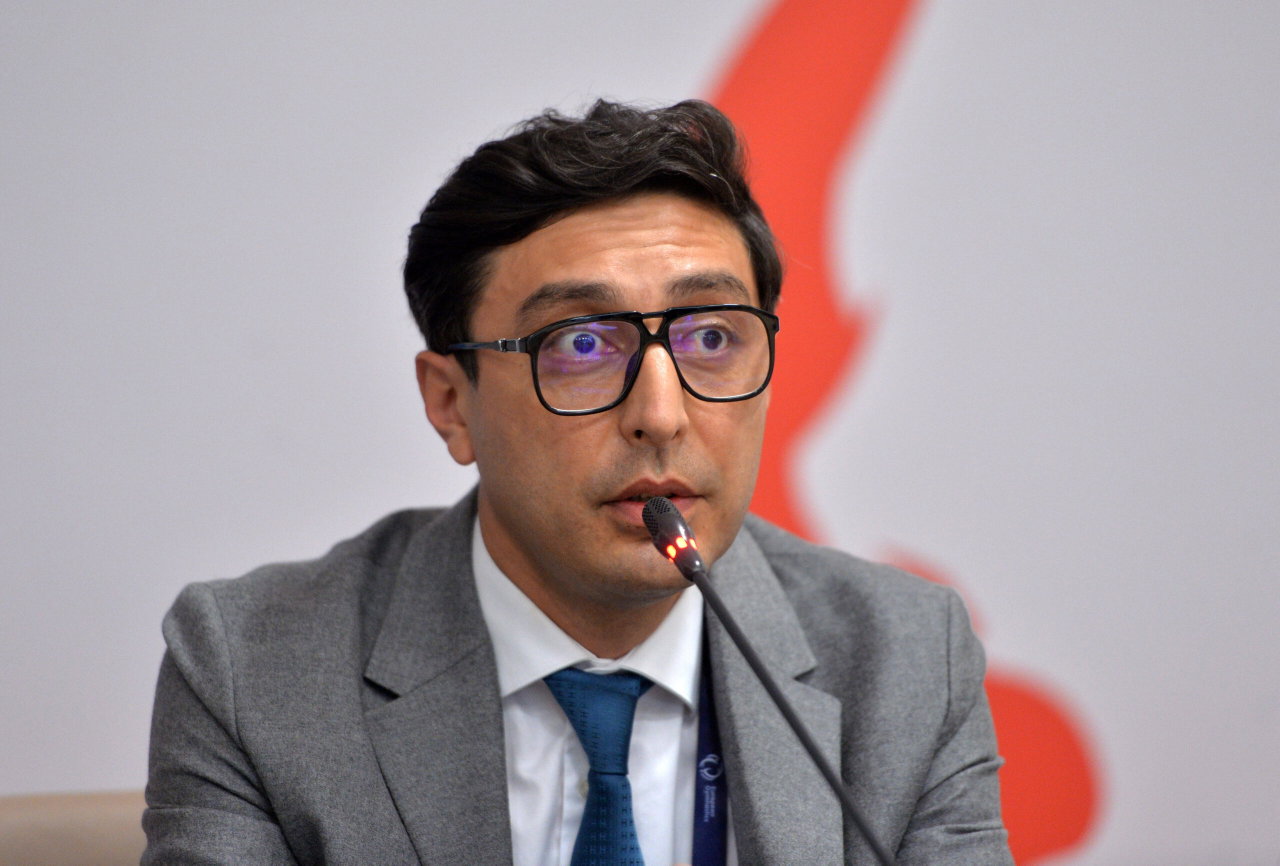
On July 30, UGF Vice President Stella Zakharova sent a letter to Dr. Farid Gayibov, requesting a review of the official qualification draw for the European Artistic Gymnastics Championships. In the letter, the federation asked European Gymnastics to place Ukraine’s men’s and women’s national teams in separate qualification groups from representatives of Russia and Belarus. UGF wrote that the situation was a matter of “serious concern” because of the ongoing conflict.
The request came after the official draw for the Zagreb championships placed Ukrainian teams in qualification groups that also included Russian and Belarusian representatives. In the women’s artistic gymnastics competition, Ukraine and Russia were placed in the same qualification subdivision 3, alongside teams from Ireland, Switzerland, Austria, the Netherlands, Greece, and a mixed group featuring Georgia, Luxembourg, and Liechtenstein.
In the men’s artistic gymnastics competition, the concern came from the junior qualification draw, where Ukraine and Russia were placed in the same subdivision 2. In the letter, Zakharova and the federation explained that the circumstances were especially sensitive because of “the Russian Federation’s ongoing military aggression against Ukraine.” UGF said the draw “may create additional psychological pressure and lead to undesirable situations” that all parties would prefer to avoid.
The Ukrainian federation also stressed that the appeal was not aimed at affecting the principles of sport. UGF stated that the request was made “solely with the aim of ensuring safe, respectful, and conflict-free conditions for the competition” while maintaining a professional atmosphere for all participants.
For now, UGF has not announced any plans to withdraw from the European Championships and is only seeking a revision of the qualification groups. Also, European Gymnastics has not yet confirmed whether the official draw will be changed following Ukraine’s request. Interestingly, this is not the first public stance of opposition to Russian involvement in international gymnastics from the Ukrainian Gymnastics Federation.
Ukraine repeatedly challenged the return of Russian and Belarusian athletes
UGF has repeatedly criticized decision-makers for allowing Russian and Belarusian athletes to return. Back in May 2026, as soon as the World Gymnastics Federation voted to lift all restrictions on Russian and Belarusian athletes, UGF condemned the move. The federation said the move represented “deep discrimination against Ukrainian gymnasts and all Ukrainian sports,” which was against the federation’s non-discrimination principles.
Soon after, the federation announced plans to challenge the decision through legal channels and called for an Extraordinary FIG Congress to review the ruling. The criticism continued on May 26, when Ukraine’s Minister of Foreign Affairs Andrii Sybiha and Minister of Youth and Sports Matvii Bidnyi issued a joint statement condemning the decisions of both World Gymnastics and European Gymnastics.
They stated that the decision to restore Russian participation under the national symbols goes against the principles of fairness, solidarity and peace and gives a false impression that Russia’s war against Ukraine is “normalisation.” They further claimed it fails to consider Russia’s continuing aggression, and called on the international sports community and national sports federations not to support this.